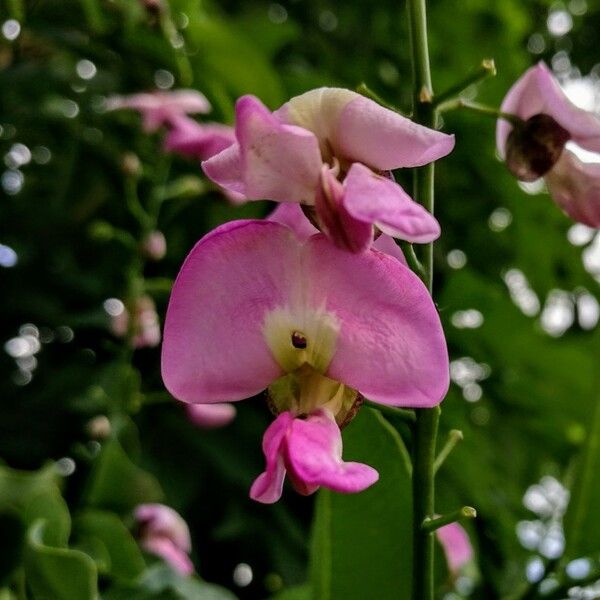
Plant Overview
Often called the False Dogwood or Savonette, Lonchocarpus punctatus is a tropical gem that looks like it belongs in a lavender-hued fairytale. Native to the Caribbean and northern South America, it is prized for its spectacular display of fragrant, lilac-colored flowers that can transform a landscape into a purple haze almost overnight. Despite its delicate appearance, it is a resilient survivor of coastal breezes and sunny slopes.
🔍 How to Identify
- 🍃 The Dotted Foliage: The leaves are compound and bright green. If you hold a leaflet up to the sunlight, you will see tiny, translucent "punctations" (dots), which give the plant its scientific name.
- 🌸 The Blooms: It produces upright clusters of pea-shaped flowers. These blossoms range from pale violet to a deep rosy pink and emit a sweet, clover-like perfume that attracts visitors from across the garden.
- 🪵 The Bark and Form: Usually growing as a small tree or large shrub, it features a smooth, grayish bark and a gracefully rounded canopy that provides light, dappled shade.
🏡 In Your Garden
- ☀️ Coastal Champion: This tree is a "tough cookie" for seaside gardeners. It is highly resistant to salt spray and can handle the intense reflection of light and heat found in sandy, coastal environments.
- 🦋 A Pollinator Party: Because it produces high volumes of nectar, it acts as a magnetic hub for honeybees and native butterflies. It is a fantastic choice for those looking to support local biodiversity.
- 🪴 Space Awareness: While it grows slowly, it needs room to spread its wings. Avoid planting it too close to structures, as its beauty is best appreciated when it can be viewed from all sides during its peak flowering season.
⚠️ Safety & Toxicity
- 🛑 Natural Pesticide: Members of the Lonchocarpus genus contain rotenone, a natural chemical compound that has historically been used as an insecticide and a piscicide (fish poison).
- 🐾 Pet & Aquatic Warning: The seeds and bark are considered toxic if ingested by pets or livestock. Most importantly, never plant this tree near a koi pond or natural waterway, as runoff from fallen leaves can be harmful to fish and other aquatic life.
✨ Fun Fact
[The "Stunner" Tree]: Historically, various parts of this tree were crushed and tossed into slow-moving water by indigenous groups. The rotenone would temporarily "stun" the fish, causing them to float to the surface for easy harvesting without making them toxic for humans to eat!

Detailed Care Instructions

Place in a bright room that is sun drenched almost all day. Or directly in a south-facing window.
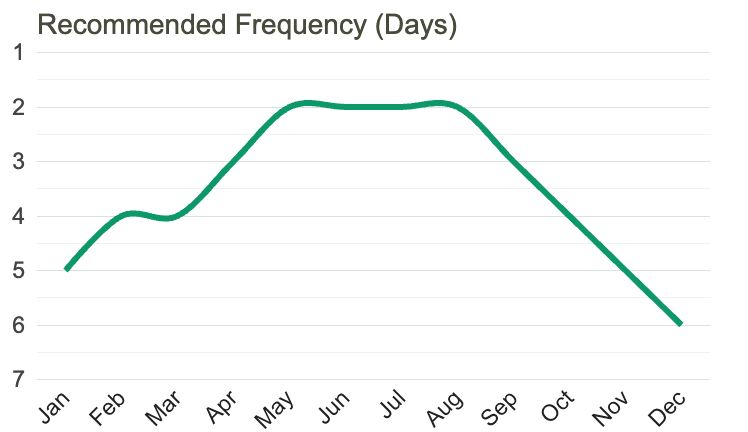
In order to successfully water the plant, it is important to take into consideration its individual needs and requirements. The first step would be to ensure that the plant is situated in a well-draining soil mix and container, as excessive water retention can be detrimental to its health.
The frequency and amount of watering will vary depending on the environment in which the plant is situated, including factors such as temperature, humidity, and exposure to sunlight. Typically, it is recommended to water the plant thoroughly, ensuring that the water reaches all areas of the soil without becoming stagnant. It is important to allow the soil to dry fully between watering sessions, as overwatering can lead to root rot and other issues.
In addition to monitoring the frequency of watering, it is also recommended to pay attention to the quality of the water used. Avoid using chlorinated tap water, as this can negatively impact the plant's health, and instead opt for filtered or distilled water. It may also be beneficial to incorporate fertilizer into the plant's watering routine, as this can provide essential nutrients for growth and development.
The recommended soil type for Lonchocarpus Punctatus is well-draining sandy loam soil with a pH range of 6.0-7.5. The soil should be rich in organic matter and have good aeration. The plant requires moist soil during the growing season but should not be over-watered. Adding compost or other organic matter to the soil can help improve its nutrient content and water-holding capacity. When planting, it is important to ensure that the soil is loose and not compacted to enable the roots to establish easily. Avoid planting in soil that has a high clay content as this can negatively affect drainage and lead to root rot. Proper soil preparation and maintenance are crucial for the healthy growth and development of Lonchocarpus Punctatus.








