Plant Overview
Often called the Narrow-leaf Honeysuckle, this graceful deciduous shrub hails from the high-altitude slopes of the Himalayas, ranging from Pakistan to Tibet. Unlike its more aggressive climbing cousins, it grows as a tidy, upright bush, bringing a touch of alpine elegance and a sweet, subtle fragrance to any temperate landscape.
🔍 How to Identify
- 🌿 Slender Foliage: True to its name (angustifolia means narrow-leaf), the leaves are slim, lance-shaped, and grow in opposite pairs along the stems.
- 🌸 Twin Blooms: The flowers are small, tubular, and distinctly paired. They usually appear in shades of creamy white or pale rose-pink during late spring.
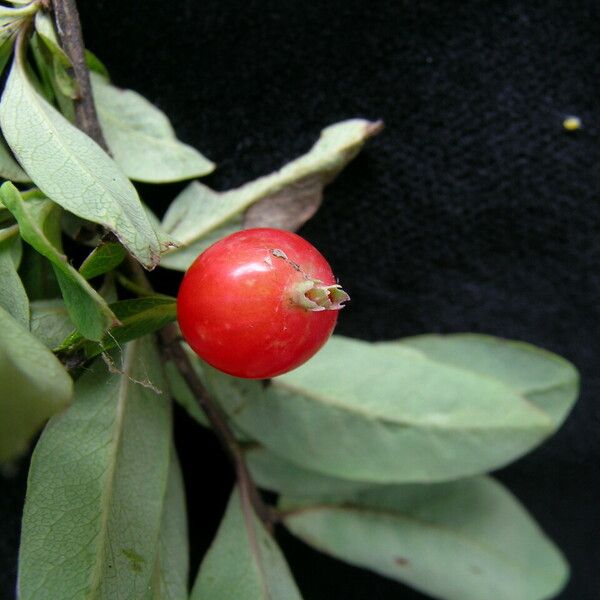
- 🍒 Translucent Berries: Following the flowers, the plant produces pairs of small, jewel-like berries that transition from red to a deep, translucent purple or black.
🏡 In Your Garden
- 🧗 Mountain Roots: Because it originated in rocky, high-elevation terrain, this plant thrives in well-drained soil. It particularly dislikes "wet feet" (waterlogged soil), which can lead to root rot.
- 🦋 Wildlife Haven: Its delicate, nectar-rich flowers are a favorite for bees and butterflies. Because it is a shrub rather than a vine, it provides excellent structural nesting sites for small garden birds.
⚠️ Safety & Toxicity
- 🐕 Mildly Toxic: While many honeysuckle flowers are famous for their sweet nectar, the berries of Lonicera angustifolia should not be eaten.
- 🤢 The Risk: Ingesting the berries can cause stomach upset, nausea, or lethargy in pets and small children. It is best treated as an ornamental plant rather than an edible one.
✨ Fun Fact
In some Himalayan regions, the wood of the Narrow-leaf Honeysuckle is prized for its strength and flexibility; it has been traditionally used by mountain travelers to craft sturdy, lightweight walking sticks for navigating steep trails!

Detailed Care Instructions

Place in a window with dappled sun or a spot in the middle of a room. Or directly in a window facing west or east.

Some plants require more regular watering than others, which should be done every few days. It's critical to maintain the soil moist all of the time. The water requirements of the same plant placed in pots with varying sizes will differ. Because the water in the smaller pot evaporates faster than the water in the larger pot, it will require more watering. Regardless of pot size, the surface should constantly be maintained moist.
These plant needs regular fertilizing during growing seasons. Fertilizing your plants in dormant state during the winter, might result in scorching or browning of the leaf tips. If mature plants display signs of nutrient insufficiency, fertilizer administration is necessary to restore the plant to its previous state.








