Plant Overview
Often called the "Winter Beauty," Lonicera × purpusii is the garden's secret weapon against the winter blues. This hardy shrub waits until the coldest months to burst into a cloud of creamy flowers with a scent so powerful it can stop a gardener in their tracks. It is a hybrid marvel, combining the best traits of its Chinese parents to provide fragrance and life when the rest of the landscape is still deep in slumber.
🔍 How to Identify
- 🌸 The Flowers: Small, paired, creamy-white blossoms with prominent yellow anthers. They appear on bare or semi-clothed stems from mid-winter to early spring.
- 👃 The Scent: One of the most intense fragrances in the plant world—a heavy, sweet, lemony floral scent that carries far on the winter breeze.
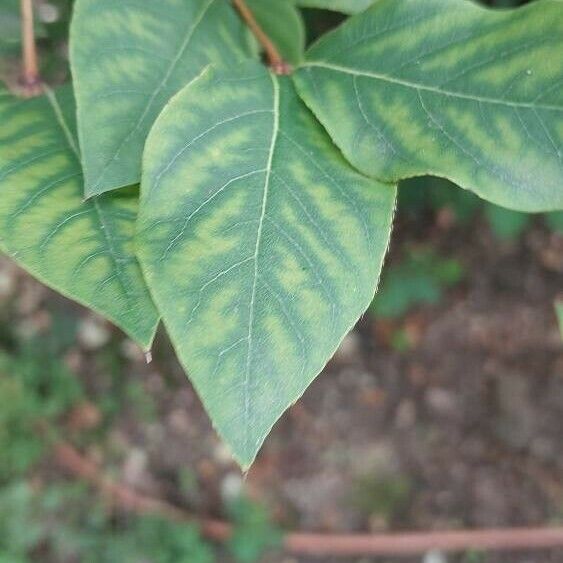
- 🍃 The Foliage: Oval-shaped, dark green leaves. Depending on your climate, it is semi-evergreen, meaning it may keep its leaves in mild winters but drop them in harsher ones.
- 🪵 The Habit: A deciduous shrub with an arching, somewhat "shaggy" growth habit that gives it a natural, woodland appearance.
🏡 In Your Garden
- 🌬️ Strategic Placement: Because the flowers are small and can be easily missed by the eye, plant this near a doorway, a well-used garden path, or a gate. You will smell it long before you see it.
- ✂️ Pruning Timing: This shrub flowers on the previous year’s wood. To ensure a great show next year, only prune it immediately after the flowers have faded in late spring.
- 🐝 Early Pollinators: It is a vital lifeline for early-emerging bumblebees and honeybees who find very few nectar sources available in February and March.
⚠️ Safety & Toxicity
- 🚫 Mildly Toxic: Like many members of the Honeysuckle family, the berries that follow the flowers are considered toxic to humans and pets.
- 🐾 Pet & Child Warning: If the small red berries are ingested, they can cause stomach upset, vomiting, or diarrhea. It is best to keep this plant away from areas where unsupervised toddlers or curious pets might try a "taste test."
✨ Fun Fact
This plant was named after the Purpus brothers, Carl and Joseph, famous German plant hunters of the late 19th century. While most honeysuckles are known for climbing walls, this "Purpus" hybrid was specifically bred to stand tall as a hardy, structural shrub.

Detailed Care Instructions







