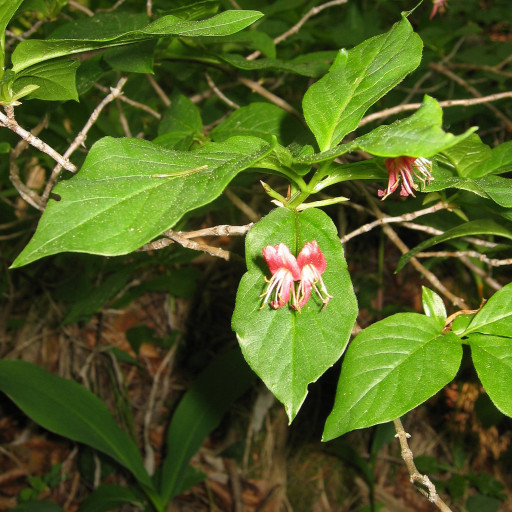
Plant Overview
Commonly known as Honeysuckle, these sweet-scented climbers and shrubs are the crown jewels of the cottage garden. With over 180 species, they range from vigorous vines to neat hedges, all famous for their "trumpet-shaped" blossoms that act as nature’s neon signs for hummingbirds. In folklore, they were often planted near doorways to ward off evil spirits and bring good luck—or perhaps just to ensure a fragrant welcome for anyone entering.
🔍 How to Identify
- 🎺 The Blooms: Look for distinctive tubular or bell-shaped flowers that often grow in pairs or whorled clusters. They feature long, elegant stamens that peek out like delicate eyelashes.
- 🍃 Opposite Leaves: Honeysuckle leaves are almost always "opposite," meaning they grow in perfectly symmetrical pairs directly across from each other on the stem.
- 🍒 Glossy Berries: After the flowers fade, they are replaced by small, shiny berries in shades of bright red, orange, or occasionally black. These are a favorite for local songbirds.
🏡 In Your Garden
- 🧗 The Twining Habit: Most vine varieties are "twiners." Unlike ivy, which uses suction cups, Lonicera wraps its entire stem around a support. Provide a sturdy trellis or fence early on, or it will quickly scramble over your other prize shrubs.
- 🌬️ Mildew Management: While these plants love a sunny spot to maximize their fragrance, they are prone to powdery mildew if the air becomes stagnant. Pruning the interior stems after the first bloom helps keep the plant "breathing" and reduces the risk of fungal spots.
⚠️ Safety & Toxicity
- 🐾 Toxic Berries: While the nectar in the flowers is a famous sweet treat, the berries and leaves of most Lonicera species contain saponins. These are toxic to humans, dogs, and cats.
- 🤢 Symptoms: Ingestion can lead to stomach upset, vomiting, or lethargy. Always keep an eye on curious pets and children when the plant is in fruit.
- 🚫 Invasive Warning: Be sure to check your specific variety. While many are garden-friendly, species like Japanese Honeysuckle (Lonicera japonica) are considered highly invasive in many regions and can easily outcompete native flora.
✨ Fun Fact
The name "Honeysuckle" isn't just a poetic title! It comes from the centuries-old childhood tradition of plucking a flower, pinching the base, and pulling the style through the bloom to taste the single, tiny drop of sugary nectar hidden inside.

Detailed Care Instructions
| Lighting | Full Sun |
| Hardiness Zones | 4A - 10A |
To grow a Lonicera plant, follow these steps:
- Choose a suitable location: Lonicera plants prefer full sun to light shade. Select a location with well-drained soil.
- Prepare the soil: Loosen the soil in the planting area and mix in compost or organic matter to improve drainage and fertility. Remove any weeds or grass from the area.
- Planting: Dig a hole that is slightly larger than the root ball of the Lonicera plant. Place the plant in the hole, ensuring that it is at the same level as it was in its previous container. Backfill the hole with soil, gently firming it around the plant's roots.
- Watering: After planting, water the Lonicera plant thoroughly to settle the soil. Provide regular watering until the plant establishes itself, usually for the first couple of growing seasons. Avoid over-watering, as this can cause root rot.
- Mulching: Apply a layer of mulch around the base of the plant to conserve moisture, suppress weeds, and maintain a consistent temperature for the roots.
- Pruning: Prune Lonicera plants in late winter or early spring before new growth appears. This will help maintain their shape, encourage blooming, and remove any dead or damaged branches.
- Fertilizing: Apply a slow-release, balanced fertilizer in early spring and again in mid-summer to provide necessary nutrients.
- Support: Some Lonicera species, such as Honeysuckle vines, may require support structures like trellises or arbors to climb on. Install these supports as needed to help them grow vertically.
- Pests and Diseases: Monitor the plant for common pests like aphids and spider mites. Treat them with insecticidal soap or neem oil if necessary. Look out for signs of diseases like powdery mildew or leaf spot and take appropriate measures such as pruning affected areas and providing good air circulation.
- Propagation: Lonicera plants can be propagated from seeds, cuttings, or layering. Follow specific instructions for each propagation method.
With proper care and maintenance, your Lonicera plant should grow and bloom, providing you with beautiful flowers and a pleasant fragrance.

Place in a bright room that is sun drenched almost all day. Or directly in a south-facing window.

To properly water this type of plant, first check the soil for dryness. If the soil feels dry to the touch, it's time to water the plant. Use room temperature water and pour it slowly over the soil until it feels moist. Avoid overwatering the plant, as this can lead to root rot and other problems. Allow the soil to dry out partially before watering again. In general, this plant prefers consistently moist (but not waterlogged) soil.
For best results, fertilize Lonicera plants in the spring and again in the fall. Use a balanced, slow-release fertilizer that contains equal amounts of nitrogen, phosphorus, and potassium. Apply the fertilizer according to the package instructions, taking care not to over-fertilize. Water the plant thoroughly after fertilizing to help the nutrients reach the root system. Avoid fertilizing during dry periods or when the plant is dormant, as this can stress the plant and reduce its overall health.
Lonicera plants prefer to grow in soil that is loose, well-draining, and moderately rich in nutrients. It is recommended to use a good quality potting mix, which contains a mix of peat moss, perlite, and vermiculite, along with some added organic matter. This type of soil will provide good aeration and drainage, while also holding moisture and nutrients for the plant. It is important to avoid using heavy, clay-rich soil, as this can lead to poor drainage and cause root rot in the plant. Additionally, ensure that the pH level of the soil is between 5.5 and 7.5, as this is the range that most Lonicera plants prefer. Finally, it is recommended to add some slow-release fertilizer to the soil at the time of planting, and to supplement with additional fertilizer throughout the growing season.
Lonicera plant can be propagated through several methods, including stem cuttings, layering, and division. Here are the steps to propagate Lonicera plant through stem cuttings:
- Choose a healthy parent plant with no signs of disease or pests.
- Look for a semi-hardwood stem that is about 4-6 inches in length.
- Using a sharp, sterilized knife, make a clean cut below a node.
- Remove the leaves from the bottom third of the stem.
- Dip the cut end of the stem in rooting hormone.
- Place the stem in a pot filled with a well-draining potting mix.
- Cover the pot with a plastic bag to create a greenhouse effect.
- Place the pot in a warm, bright spot, but avoid direct sunlight.
- Keep the soil moist but not waterlogged.
- After 4-6 weeks, check for root growth by gently tugging on the stem. If it resists, it has rooted.
- Once rooted, transfer the new plant to a larger pot or to the garden.
Propagation through layering involves bending a flexible stem to the ground, covering it with soil and allowing it to root while still attached to the parent plant. Division involves dividing a mature plant by carefully separating its roots and replanting them in individual pots or in the garden.







