Plant Overview
Often called the Amazon Golden Chain Tree, Lophanthera lactescens is a tropical masterpiece from the heart of Brazil. It looks like nature’s version of a golden chandelier, producing breathtaking, long, weeping flower clusters that can reach nearly two feet in length. In its native rainforest habitat, it stands as a glowing beacon of yellow amidst the dense green canopy.
🔍 How to Identify
- 🌼 Floral Chains: The most striking feature—hundreds of small, bright yellow flowers dangling in long, narrow clusters (racemes) that hang vertically toward the ground.
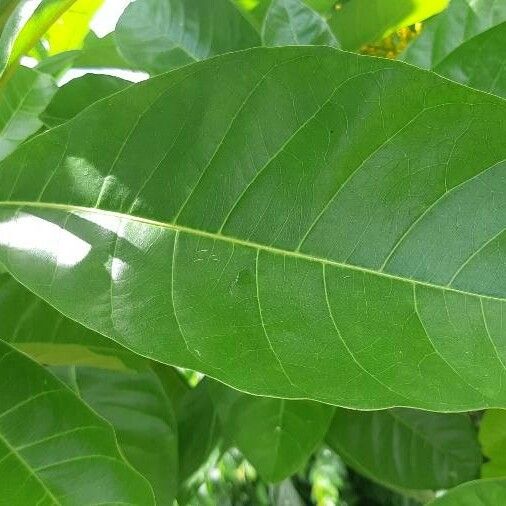
- 🍃 Lush Foliage: Large, elliptical leaves that are a deep, glossy green, often reaching up to 10 inches long, providing a bold backdrop for the golden blooms.
- 🌳 Growth Habit: It grows as an upright, slender tree with a somewhat pyramidal crown when young, becoming more rounded and stately as it matures.
🏡 In Your Garden
- 💧 Thirsty Nature: Coming from the Amazon basin, this tree is not drought-tolerant. It thrives in consistently moist, rich soil and appreciates a thick layer of mulch to keep its roots cool and hydrated.
- 🌡️ Tropical Requirements: This is a true heat-lover. It is very sensitive to frost and will begin to struggle if temperatures drop below 50°F (10°C). It prefers high humidity to prevent its leaf tips from browning in the wind.
⚠️ Safety & Toxicity
- 🐾 Pet Safety: There is no significant record of this tree being highly toxic to cats or dogs, making it a relatively safe choice for a tropical-themed yard.
- 🧴 Sap Irritation: The species name lactescens refers to the milky white sap found in its stems. While not considered "poisonous," this sap can act as a mild skin irritant for sensitive individuals; wearing gloves while pruning is a good precaution.
✨ Fun Fact
The name Lophanthera comes from the Greek words lophos (crest) and anthera (anther), referring to the unique, tiny crests found on the plant's pollen-producing organs. Despite its name, it isn't related to the common "Golden Chain Tree" (Laburnum) found in temperate climates!

Detailed Care Instructions
To grow Lophanthera lactescens, also known as the Amazon tree, you can follow these steps:
- Climate and location: This plant thrives in the tropics and subtropics. It prefers full sun, but it can also tolerate partial shade. Ensure that the temperature is warm and frost-free year-round, as this plant is not cold hardy.
- Soil: The Amazon tree prefers well-draining soil with a slightly acidic to neutral pH. Prepare the soil by mixing organic matter such as compost or peat moss to improve drainage and fertility.
- Propagation: Lophanthera lactescens can be propagated from seeds, which may take quite a long time to germinate, or by stem cuttings. If using stem cuttings, take a 6-8 inch long cutting with at least two leaf nodes. Remove the lower leaves and plant the cutting in a well-draining potting mix.
- Planting: Choose a location with enough space for the tree to grow to its mature size, which can reach up to 50 feet in height and 30 feet in width. Dig a hole that is slightly larger than the root ball and place the plant in it, making sure the top of the root ball is level with the soil surface. Backfill the hole with soil, gently firming it around the root ball.
- Watering: Lophanthera lactescens requires regular watering, especially during the establishment phase. Keep the soil consistently moist but avoid overwatering, as this can lead to root rot.
- Fertilization: Apply a balanced, slow-release fertilizer or organic compost around the base of the tree in early spring and late summer to provide essential nutrients for healthy growth.
- Pruning: Prune the tree in late winter or early spring to remove dead or damaged branches and to control growth. Pruning can also help maintain a desired shape.
- Protection from pests and diseases: This tree is generally resistant to pests and diseases. However, regular inspection is recommended to identify and address any issues promptly.
Remember, the growth rate of Lophanthera lactescens can be slow, so patience is necessary. With proper care and attention, you can enjoy the beauty of this unique plant in your garden or landscape.

Place in a bright room that is sun drenched almost all day. Or directly in a south-facing window.

Lophanthera Lactescens plants should be watered regularly but not overwatered. They prefer moist soil but can be prone to root rot if the soil stays saturated for long periods of time. The best method for watering is to allow the soil to dry out slightly between waterings, and then thoroughly saturate the soil when watering. Be sure to water at the base of the plant and avoid getting water on the leaves, as this can lead to fungal diseases. It is important to also provide good drainage for the plant to prevent water from sitting in the pot or soil. Watering frequency may vary depending on the environment and season, so it is important to monitor the soil moisture and adjust accordingly.
Mix a balanced fertilizer with equal parts of nitrogen, phosphorus, and potassium. Apply it to the soil around the base of the plant during the growing season. Water the plant immediately after fertilizing to help the absorption of nutrients by the roots. Avoid over-fertilizing, as it may cause burns to the roots and leaves. Monitor the growth of the plant and adjust the amount of fertilizer accordingly.
When growing Lophanthera Lactescens, it is important to use a well-draining soil mix that is rich in organic matter. The soil should be slightly acidic with a pH range of 5.5-6.5. A mix of peat moss, perlite, vermiculite, and coarse sand can be used to create an ideal soil mix for this plant. Avoid using heavy, clay soils that do not drain well as they can lead to root rot and other issues. Additionally, it is important to ensure that the soil is moist but not waterlogged, as this can also cause problems for the plant. Using a high-quality potting soil and adding organic matter or fertilizer can help to ensure that the soil remains healthy and fertile for the Lophanthera Lactescens plant to thrive.
Lophanthera lactescens can be propagated through cutting or seed propagation. Here are the steps to propagate it:
- Cutting propagation:
- Choose a healthy and disease-free stem from the plant.
- Cut a 6-8 inch stem from the plant, making sure to cut right below a node or leaf.
- Remove the lower leaves from the stem, leaving at least two leaves on top.
- Dip the cut end of the stem in rooting hormone.
- Insert the stem in a pot filled with well-draining soil.
- Water the soil and cover the pot with a clear plastic bag to keep the humidity high.
- Place the pot in a warm and bright spot, away from direct sunlight.
- Wait for 4-6 weeks for the roots to develop. You can gently tug the stem to check if it has rooted.
- Once rooted, remove the plastic bag and move the plant to a bigger pot with normal potting soil.
- Seed propagation:
- Collect the seed pods from the plant once they have turned brown and dry.
- Crack open the seed pods and remove the seeds from inside.
- Soak the seeds in water for 24 hours to help with germination.
- Fill a pot with normal potting soil and make a small depression in the center.
- Place the seeds on the depression and cover them with a thin layer of soil.
- Water the seeds and cover the pot with a clear plastic bag.
- Place the pot in a warm and bright spot, away from direct sunlight.
- Keep the soil moist and wait for the seeds to germinate. This could take 2-6 weeks.
- Once the seedlings are about 2-3 inches tall, remove the plastic bag and move them to a bigger pot with normal potting soil.








