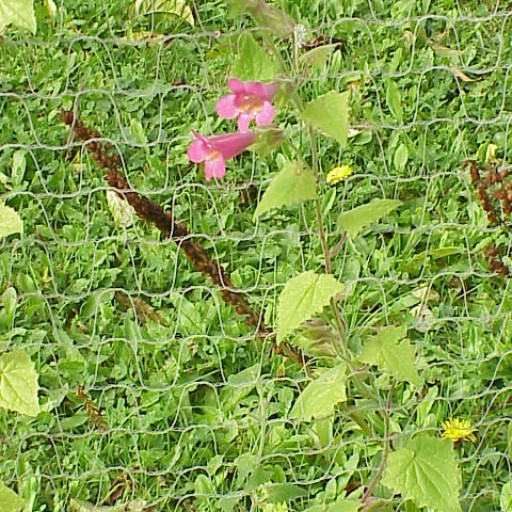
Plant Overview
Often called the Creeping Gloxinia or Mexican Twist, this charming climber is a native of the mountain canyons of Mexico. Despite its delicate, "fairy-tale" appearance, it is a vigorous grower that blankets trellises in a romantic curtain of pink trumpets. In folklore, it is sometimes referred to as the "Climbing Snapdragon" because of the way its blossoms resemble the classic garden favorite reaching for the sky.
🔍 How to Identify
- 🌸 Trumpet Blooms: Distinctive 3-inch long, funnel-shaped flowers that range from soft rose to a vibrant, "blushing" magenta.
- 🍃 Velvety Foliage: Triangular, heart-shaped leaves that are soft to the touch and covered in fine, downy hairs with jagged (serrated) edges.
- 🌀 Twining Petioles: Unlike ivy which uses roots to climb, this plant uses its leaf stalks to wrap tightly around thin supports like wire or twine.
🏡 In Your Garden
- 🧗 The Perfect Spiller: While it loves to climb, it is world-class in a hanging basket. It will "spill" downward in a lush cascade of green and pink if it doesn't find a trellis to ascend.
- 💧 Consistency is Key: It possesses a somewhat "thirsty" nature due to its rapid growth. It hates drying out completely, so a moisture-retentive soil mix is essential to prevent the delicate leaves from crisping at the edges.
⚠️ Safety & Toxicity
- ✅ Generally Safe: Lophospermum erubescens is not listed on major toxic plant databases for pets or humans, making it a "friendly" choice for high-traffic areas.
- 👐 Skin Sensitivity: Some gardeners with very sensitive skin might find the fine "fuzz" on the leaves slightly irritating after long periods of pruning; wearing light gloves is recommended for heavy maintenance.
✨ Fun Fact
The Lophospermum is a master of "circumnutation"—a fancy word for the way its young stems move in a slow-motion circle as they grow, "searching" the air for a physical object to grab onto and climb!

Detailed Care Instructions
To grow Lophospermum erubescens, also known as Creeping Gloxinia or Red Climber, follow these steps:
- Location: Choose a suitable location for your Lophospermum erubescens plant. It prefers full sun to partial shade. Ensure that the area has well-draining soil as this plant does not tolerate waterlogged soil.
- Soil: Prepare the soil by adding organic matter like compost or well-rotted manure to improve fertility and drainage. The soil should be slightly acidic with a pH around 6.0 to 6.5.
- Planting: Plant the Lophospermum erubescens in the spring after the last frost or in late summer. Dig a hole that is slightly larger than the root ball. Place the plant in the hole, ensuring the top of the root ball is level with the soil surface. Backfill the hole with soil and gently firm it down around the plant.
- Watering: Water the plant thoroughly immediately after planting. Afterward, water regularly but avoid overwatering. Allow the top few inches of soil to dry out between waterings, as the plant does not like soggy conditions.
- Fertilization: Feed your Lophospermum erubescens with a balanced, slow-release fertilizer or a liquid fertilizer diluted according to the package instructions. Apply fertilizer every month during the growing season to promote healthy growth and flowering.
- Pruning: Prune the plant to maintain its shape and size. Pinch back the tips of new growth regularly to encourage branching and a more compact habit. Pruning can be done throughout the growing season, but avoid heavy pruning in late summer or fall as it may interfere with blooming.
- Trellis or Support: Provide a trellis or other support structure for the vine-like growth habit of the Lophospermum erubescens. This will help the plant climb and add vertical interest to your garden or outdoor space.
- Protecting from Frost: Lophospermum erubescens is not frost-tolerant, so protect it from freezing temperatures. In colder regions, consider growing it as an annual or bringing it indoors during the winter months.
By following these steps, you can successfully grow and enjoy the beautiful blooms of Lophospermum erubescens.

Place in a window with dappled sun or a spot in the middle of a room. Or directly in a window facing west or east.

1. Look at the soil: Check the soil moisture level before watering the plant. Stick your finger an inch into the soil to see if it's moist. If the soil feels dry, it's time to water the plant.
2. Watering frequency: Lophospermum erubescens plants require regular watering, but not too often. The frequency depends on the weather and the soil moisture levels. During hot, dry weather, the plant may require watering twice a week, while during cooler weather, watering once a week may be enough.
3. Watering technique: Water the plant slowly, making sure the water spreads throughout the soil. Avoid getting water on the leaves as it may cause fungal diseases. Water around the base of the plant, and stop when the water starts running out of the drain holes.
4. Drainage: Ensure that the pot has adequate drainage to avoid waterlogging the soil, which could lead to root rot. If the pot doesn't have enough drainage, you may need to drill a few holes in the bottom.
5. Water quality: Use clean, fresh water to avoid contaminants such as chlorine or fluoride, which can harm the plant. You could use rainwater or filtered tap water.
6. Water temperature: Use water at room temperature, as cold water may shock the plant's roots, while hot water may scald them.
7. Mulching: After watering, apply a layer of mulch around the base of the plant to retain moisture in the soil. This also helps to regulate soil temperature and suppresses weeds.
8. Observing the plant: Finally, observe the plant's response to watering - if the leaves start to wilt, it may need more water, but if they turn yellow, it may be getting too much water. Adjust the watering accordingly to keep the plant healthy and thriving.
To fertilize this plant, you should use a balanced fertilizer with equal parts of nitrogen, phosphorus, and potassium. Mix the fertilizer according to the instructions and apply it to the soil around the plant, being careful not to get any on the leaves. Fertilize every two weeks during the growing season and reduce the frequency during the winter months. Water the plant immediately after fertilizing to help the nutrients absorb into the soil.
For Lophospermum Erubescens plant, it is important to use a well-draining soil that is rich in organic matter. A soil mixture that is composed of a 50:50 ratio of peat moss and perlite or coarse sand is ideal. Additionally, the soil should have a slightly acidic pH range between 5.8 and 6.5. It is recommended to avoid using heavy clay soils or soils that are too compacted as they can lead to poor drainage and plant root rot. Regular fertilizing with a balanced fertilizer will also help maintain healthy soil conditions.
To propagate this plant, you will need to take stem cuttings from a mature and healthy plant. Using a sharp and sterilized knife or scissors, cut a stem from the parent plant just below a node (the point where leaves attach to the stem).
Remove the leaves from the lower two-thirds of the stem and dip the cut end in rooting hormone powder. Then, insert the stem into a small container filled with well-draining soil mix.
Water the soil until it is evenly moist and cover the container with a plastic bag or plastic wrap to create a humid environment. Keep the container in a warm and bright spot, but out of direct sunlight.
Check the soil moisture regularly and mist the plant if needed to maintain humidity. After a few weeks, the plant should start growing new leaves, which is a sign that it has rooted.
Once the new plant has developed a strong root system and several new leaves, it can be transplanted into a larger pot or the garden.
Common pests of the mexican twist include Mealybugs, spider mites, aphids, whiteflies. Make a habit of checking your mexican twist frequently for pests so that any infestations can be caught and managed early.








