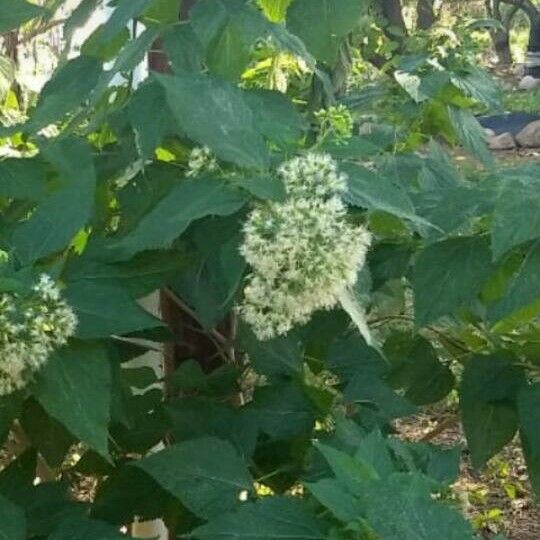
Plant Overview
Known as a hardy survivor from the highlands of Argentina and Bolivia, Lorentzianthus viscidus is a resilient shrub often found clinging to rocky slopes and mountain valleys. Its specific epithet, "viscidus," hints at its most famous trait—a sticky, resinous coating that protects it from the harsh Andean sun. While it might look like a simple yellow daisy to the untrained eye, it is a specialized survivor built for high-altitude endurance.
🔍 How to Identify
- 🌼 Sunny Blooms: It produces bright yellow, composite flower heads that resemble miniature sunflowers, typically blooming in dense clusters at the ends of its branches.
- 🍯 Sticky Texture: The most defining feature is the "viscid" or tacky feel of the stems and leaves, caused by glandular hairs secreting a protective resin.
- 🌿 Serrated Foliage: The leaves are generally lance-shaped (narrow and pointed) with distinct serrated or "toothed" edges, giving the plant a rugged, textured appearance.
🏡 In Your Garden
- ⛰️ Highland Resilience: Because it originates from rocky mountainous regions, this plant requires exceptional drainage. It hates "wet feet" and will thrive in gravelly or sandy soil mixes that mimic its native slopes.
- ☀️ Natural Sunscreen: The sticky resin on its leaves acts as a biological shield against intense UV rays. This makes it an excellent candidate for exposed, south-facing spots where other plants might suffer from leaf scorch.
- 💨 Wind Tolerance: Its woody base and flexible upper branches allow it to withstand significant wind, making it a functional choice for rock gardens or high-elevation landscapes.
⚠️ Safety & Toxicity
- 🛡️ Low Risk: There are no widespread reports of Lorentzianthus viscidus being highly toxic to humans or common household pets.
- 🧤 Skin Sensitivity: The primary concern is the resinous sap. Some individuals may experience mild skin irritation or "contact dermatitis" from the sticky coating, so wearing gloves during pruning is recommended if you have sensitive skin.
✨ Fun Fact
This plant is a true "loner" in the botanical world! Lorentzianthus is what botanists call a monotypic genus, meaning Lorentzianthus viscidus is the only species currently recognized within the entire genus. It has no close "siblings," making it a unique evolutionary branch of the daisy family.

Detailed Care Instructions








