Plant Overview
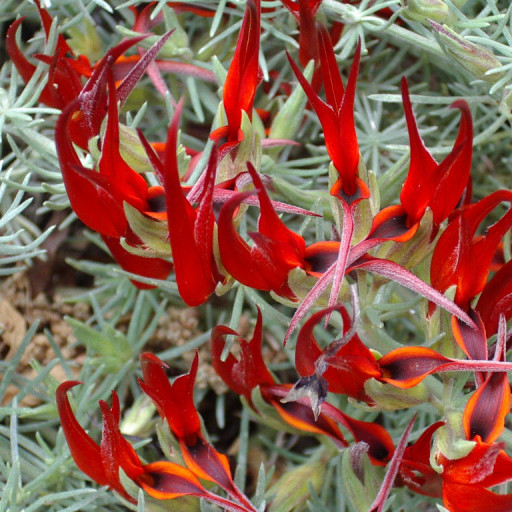
Often called the "Parrot's Beak" or "Pelican’s Beak," this striking trailing perennial is a true survivor from the Canary Islands. Its dramatic, fiery blooms look exactly like the curved beak of a tropical bird, emerging from a sea of soft, shimmering silver foliage. While it looks like a delicate exotic, it is a resilient choice for adding a Mediterranean flair to sunny balconies and hanging displays.
🔍 How to Identify
- 🌿 Foliage: Fine, needle-like leaves that are soft to the touch and covered in tiny silver-grey hairs, giving the entire plant a shimmering, frosted appearance.
- 🦜 Flower Shape: Distinctive pea-like blossoms featuring a sharply curved "keel" petal that mimics the beak of a parrot.
- 🎨 Color Palette: The flowers are typically a vivid orange-red or crimson, though some cultivars offer golden-yellow "Gold Flash" varieties.
🏡 In Your Garden
- 🧺 The Perfect Spiller: Because of its natural cascading habit, this plant is a superstar for hanging baskets or the edges of retaining walls. It grows in long, graceful tresses rather than climbing upwards.
- ☀️ Sun & Temperature: It thrives in full sun but prefers its roots to stay relatively cool. If you live in an area with scorching summers, provide a little afternoon shade to prevent the silver needles from drying out.
- 💧 The "Goldilocks" Rule: It dislikes both bone-dry soil and soggy roots. While its silver leaves are a hint that it can handle some drought, the plant will quickly drop its flower buds if it feels too much thirst.
⚠️ Safety & Toxicity
- ✅ Pet & Human Safe: Lotus berthelotii is generally considered non-toxic to cats, dogs, and humans.
- 🧤 Mild Sensitivity: While not poisonous, the fine, dense foliage can occasionally cause very mild skin irritation for individuals with high sensitivity during heavy pruning sessions.
✨ Fun Fact
A Lonely Beauty: This plant is considered "functionally extinct" in the wild. Its unique flower shape evolved specifically to be pollinated by specialized sunbirds that have long since disappeared from its native habitat. Today, the species survives almost entirely through the dedicated care of gardeners and nurseries!

Detailed Care Instructions
| Humidity | Normal |
| Lighting | Full Sun |
| Difficulty | Medium |
| Temperature | 5°C - 25°C |
| Hardiness Zones | 9B - 11B |
To grow Lotus Berthelotii, also known as Parrot's Beak or Canary Island Foxglove, follow these steps:
- Purchase seeds or young plants from a reputable nursery or garden center.
- Choose a well-draining pot or container with at least one drainage hole at the bottom to prevent waterlogging.
- Fill the container with a good quality potting soil mixed with compost to provide nutrients and improve drainage.
- Sow the seeds or place the young plant gently into the soil, ensuring the roots are covered but the crown (where the stems meet the roots) is above the soil level.
- Place the pot in a location that receives bright, indirect sunlight. Lotus Berthelotii prefers moderate to high light levels, but direct sunlight can scorch the leaves.
- Water the plant thoroughly after planting and keep the soil slightly moist, but not waterlogged, throughout the growing season. Avoid overwatering, as too much moisture can lead to root rot.
- Maintain a warm temperature of around 65-75°F (18-24°C) during the day and slightly cooler at night.
- Fertilize the plant with a balanced liquid fertilizer every two to three weeks during the growing season. Follow the instructions on the fertilizer packaging for proper dosage.
- Pinch back the tips of the stems regularly to promote bushier growth and more abundant flowers.
- Monitor the plant for pests such as aphids or spider mites. If infested, use an organic insecticidal soap or spray to control them.
- During the winter months, when the plant's growth slows down, reduce watering frequency and move it to a slightly cooler location (around 55-60°F or 13-15°C).
- Propagate by taking stem cuttings in spring or early summer. Dip the cut ends in rooting hormone powder and plant them in a well-draining potting mix. Keep the soil moist and place the container in a warm, bright spot until roots develop.
By following these steps and providing proper care, your Lotus Berthelotii plant should grow and produce its vibrant, exotic flowers.

Place in a bright room that is sun drenched almost all day. Or directly in a south-facing window.

The plant in question prefers moist but well-draining soil and should never be allowed to dry out completely. When watering, it is important to avoid getting water on the foliage and to instead water at the base of the plant. Over-watering can be detrimental to the plant's health, so it's important to allow the soil to dry out slightly between waterings.
The best way to fertilize this plant is by using a balanced liquid fertilizer solution. Dilute the fertilizer according to the instructions provided on the label and apply it to the soil around the base of the plant. Be sure to avoid getting any fertilizer on the leaves or stems of the plant, as it can cause damage. Fertilize the plant once every two weeks during the growing season to promote healthy growth and blooming. Additionally, make sure the soil is moist before applying the fertilizer, and avoid fertilizing during periods of drought or excessive heat.
The Lotus Berthelotii plant prefers a well-draining soil mix that is made up of equal parts of perlite, coir, and peat. The soil should be slightly acidic, with a pH range between 5.5 and 6.5. This plant requires soil that is rich in nutrients, so it is recommended to amend the soil with organic matter such as compost or well-rotted manure. Additionally, the soil should be kept consistently moist but not waterlogged, as this plant is sensitive to overwatering. It is important to ensure that the soil is well-aerated and the roots are not compacted in order to promote healthy growth.
To propagate this plant, you will need to take several cuttings from the stem. Choose healthy stems that are free of any pest or disease damage. Using clean and sharp scissors, cut about four to six inches of the stem from the parent plant.
Next, remove the lower leaves on the stem, leaving only the top few leaves. Dip the bottom end of the stem in rooting hormone powder and gently shake off any excess.
Prepare a potting mix of well-draining soil or perlite and insert the cuttings about half their length into the soil. Firmly press the soil around the stem to hold it in place. Water the soil lightly and cover the pot with a clear plastic bag to keep the humidity high.
Place the pot in a bright but indirect light spot, maintaining a temperature of 65-75°F. Keep the soil moist but not soggy, and remove the plastic cover for a few hours each day to prevent mold growth.
After four to six weeks, check for root growth by gently tugging on the cuttings. If they resist, this means roots have formed, and you can carefully transplant them into individual pots.
Common pests of the parrot's-beak include Mealybugs, spider mites, aphids. Make a habit of checking your parrot's-beak frequently for pests so that any infestations can be caught and managed early.








