Plant Overview
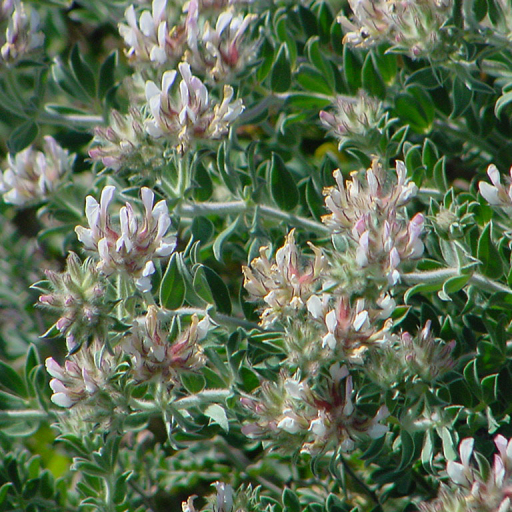
Often called the Hairy Canary Clover, this Mediterranean gem is a favorite for those seeking a soft, silvery texture in their landscape. It looks like a grounded cloud, shimmering under the sun thanks to its fine, velvety coat that protects it from the heat. It is the ultimate "low-maintenance beauty" for rock gardens and coastal regions where other plants might struggle.
🔍 How to Identify
- 🌿 Silvery Foliage: The leaves are trifoliate (clover-like) and covered in fine, soft hairs, giving the entire plant a distinct grey-green or metallic silver sheen.
- 🌸 Pea-like Blooms: Tight clusters of white flowers with delicate pink or purple veins emerge in late spring, resembling miniature sweet peas.
- 🌰 Star-Shaped Pods: As the flowers fade, they turn into shiny, reddish-brown or chocolate-colored seed pods that radiate outward like a tiny star.
🏡 In Your Garden
- ☀️ The Sunnier, The Better: This plant thrives in intense heat; it actually loses its compact shape and brilliant silvery color if it is kept in the shade or given too much nitrogen.
- 🏜️ Excellent Drainage: Originating from rocky Mediterranean slopes, it hates "wet feet." It is a champion of xeriscaping (water-wise gardening) and prefers sandy or gravelly soil where water moves away quickly.
- ✂️ Pruning Nuance: To keep it from looking "leggy" or woody, it’s best to give it a light haircut after the flowers fade, which encourages a flush of new, soft silvery growth.
⚠️ Safety & Toxicity
- ✅ Generally Safe: Lotus hirsutus is not listed as a high-risk toxic plant for humans or common household pets like cats and dogs.
- 🐑 Livestock Caution: While fine for garden pets, some members of the Lotus family contain compounds that can be problematic for grazing livestock if consumed in massive quantities, though this is rarely an issue in a domestic garden setting.
✨ Fun Fact
- ✨ The species name hirsutus is Latin for "hairy," referring to the plant's fuzzy defense mechanism. These tiny hairs aren't just for show—they trap a layer of moisture against the leaf surface to help the plant survive blistering droughts!

Detailed Care Instructions
To grow Lotus Hirsutus (also known as the hairy lotus), follow these steps:
- Select a location: Choose a sunny spot in your garden or a suitable container with at least 18 inches (45 cm) depth.
- Soil preparation: Lotus plants prefer a rich, loamy soil. Prepare the soil by mixing equal parts of garden soil, sand, and well-rotted compost. This will provide good drainage and fertility.
- Sowing seeds: Soak the Lotus Hirsutus seeds in warm water for about 24 hours. After soaking, gently scarify the seed coat with a knife or sandpaper to help with germination. Sow the scarified seeds about 1 inch (2.5 cm) deep in the prepared soil and cover them with a thin layer of soil.
- Provide water: Fill the container or moisten the soil in the garden bed and keep it consistently moist. Lotus plants prefer growing in water, so make sure the level of water is a few inches above the soil surface. However, avoid completely submerging the seeds initially until they germinate and develop roots.
- Maintain water temperature: Lotus plants prefer warm water. Maintain the water temperature between 70-90°F (21-32°C) for optimal growth.
- Fertilize regularly: Lotus plants are heavy feeders. Use a slow-release aquatic fertilizer or add a diluted liquid fertilizer specifically formulated for water plants. Apply fertilizer as per the manufacturer's instructions to ensure proper growth.
- Thin out seedlings (if needed): Once the seedlings develop, thin them out, leaving the strongest ones with a spacing of about 3-4 feet (90-120 cm) apart. This will allow enough space for the plants to grow and spread.
- Remove spent flowers: Deadhead the lotus flowers regularly to encourage continuous blooming.
- Protection from cold: Lotus plants are sensitive to cold temperatures. If you live in a colder region, you may need to protect the plant during winter. Move the container indoors to a greenhouse or provide insulation to the garden bed using straw or mulch.
- Enjoy the blooms: Lotus Hirsutus plants usually bloom from summer to early fall. Enjoy the beautiful flowers that range in color from white to pink, while appreciating their unique texture and fragrance.
Remember to follow specific care instructions for the Lotus Hirsutus variety you have, as these steps provide general guidelines for growing lotus plants.
When it comes to watering the Lotus Hirsutus plant, it is important to consider its specific needs and characteristics. This plant prefers consistent moisture throughout its growing season while avoiding excessive waterlogging. Here are some guidelines to keep in mind:
- Assess soil moisture: Before watering, check the soil's moisture content by inserting your finger about an inch deep into the soil. If it feels dry, it is an indication that the plant needs watering.
- Watering frequency: Lotus Hirsutus generally requires regular watering. Aim to water the plant every two to three days, especially during periods of dry weather or when the top layer of soil feels dry.
- Watering methods: To ensure thorough watering, use a gentle watering can or hose with a soft spray nozzle. Be cautious not to pour water directly onto the plant's foliage as it may cause leaf damage or encourage the growth of fungi.
- Adequate drainage: Ensure that the plant is potted in a container or planted in an area with proper drainage. Excessive water retention can be harmful to the plant and may lead to root rot or other moisture-related problems.
- Moisture retention techniques: Lotus Hirsutus greatly benefits from water retention techniques such as mulching or applying a layer of organic matter around the base of the plant. This helps to lock in moisture, reducing the frequency of watering and promoting healthy growth.
- Seasonal adjustments: During the dormant period of Lotus Hirsutus, which typically occurs in winter or during dry spells, reduce the frequency of watering to prevent the plant from becoming over-saturated.
Remember, each plant's watering requirements may vary slightly depending on factors such as climate, soil type, and overall health. Observe your Lotus Hirsutus closely for signs of distress or overwatering, such as waterlogged soil, yellowing leaves, or wilting. Adjust your watering schedule accordingly to maintain optimal moisture levels for the plant's well-being.
To fertilize your Lotus Hirsutus plant, follow these instructions:
- Choose a suitable fertilizer: Select a balanced, water-soluble fertilizer with equal ratios of nitrogen (N), phosphorus (P), and potassium (K). For example, a 10-10-10 or 20-20-20 formulation.
- Dilute the fertilizer: Dissolve the fertilizer according to the manufacturer's instructions. Typically, use one tablespoon of fertilizer per gallon of water.
- Apply the fertilizer solution: Water the plant thoroughly before applying the fertilizer. Then, pour the diluted fertilizer solution evenly around the base of the plant.
- Monitor soil moisture: Ensure the soil is moist but not waterlogged after fertilization. Avoid overwatering as it can leach away the nutrients.
- Frequency of fertilization: Fertilize your Lotus Hirsutus plant every two to three weeks during the growing season, which is typically spring and summer. Reduce frequency to once a month during the dormant period (fall and winter).
- Avoid direct contact: Make sure the fertilizer does not touch the leaves or stems of the plant. Wipe off any accidental spills immediately.
- Observe plant response: Monitor the plant's growth and health. If you notice excessive foliage growth with fewer flowers, reduce the fertilizer frequency. Conversely, if you see weak growth, you may increase the frequency slightly.
Remember, it's important to read and follow the specific instructions on the fertilizer packaging, as different brands may have varying recommendations.
Lotus hirsutus is typically grown in soil that meets its specific requirements for optimal growth. It prefers a well-draining soil with a neutral pH level. The soil should be rich in organic matter and have good moisture retention while allowing excess water to drain away easily. It can tolerate a wide range of soil textures, including sandy, loamy, and clay soils.
However, it is crucial to avoid heavy clay soils as they tend to retain too much water, which can lead to root rot or other water-related issues. If the existing soil in your location is heavy clay, incorporating organic matter such as compost or well-rotted manure can improve drainage and overall soil quality.
Before planting Lotus hirsutus, it is recommended to prepare the soil by removing any weeds, rocks, or debris, and loosening it to a depth of at least 8-10 inches. This allows for better root penetration and aeration.
Adding a layer of mulch around the plants can help maintain soil moisture and suppress weed growth. Mulching also aids in preventing water evaporation and keeps the temperature of the soil relatively stable.
Regular soil maintenance is essential for the healthy growth of Lotus hirsutus. It's important to monitor soil moisture levels and ensure that the plant receives adequate but not excessive water. Overwatering can lead to root rot, and underwatering can cause stress and hinder its growth.
Overall, providing well-draining, nutrient-rich soil with proper moisture levels is crucial for successful cultivation of Lotus hirsutus.
To propagate the Lotus Hirsutus plant, follow these steps:
- Start by collecting mature seeds from the plant. Look for dry seed pods that have turned brown in color.
- Gently remove the seeds from the seed pod by holding it over a container and applying slight pressure to split it open. Collect all the loose seeds.
- Fill a seed tray or small pots with a well-draining potting mix. Use a mix that contains sand, perlite, and peat moss in equal proportions.
- Sow the Lotus Hirsutus seeds on the surface of the potting mix. Press them lightly, but do not cover them with soil. These seeds need light to germinate successfully.
- Moisten the potting mix gently using a spray bottle or by pouring water into the tray. Avoid saturating the soil excessively, as this can cause rotting.
- Place the seed tray or pots in a warm location with bright indirect sunlight. Ideal temperatures for germination range between 60-75°F (15-24°C).
- Mist the soil periodically to maintain adequate moisture. Ensure the potting mix does not dry out completely.
- Germination typically takes around 2-4 weeks, but it may vary depending on the conditions. Be patient and continue providing appropriate care.
- Once the seedlings have developed their second set of true leaves, they can be transplanted into individual pots or a larger container.
- Prepare a well-draining potting mix similar to the one used for germination. Fill the new pots or container with this mix.
- Gently remove the seedlings from the seed tray, taking care not to damage their delicate roots. Plant them at the same depth they were in the seed tray.
- Water the newly transplanted seedlings thoroughly and place them in a location with bright, indirect sunlight.
- Continue watering the plants regularly to keep the soil evenly moist. Avoid overwatering, as it can cause root rot. Applying water when the top inch of soil feels dry is a good guideline.
- As the Lotus Hirsutus plant grows, it may require support. Provide a trellis or stakes for the stems to climb on, ensuring their proper growth and stability.
- Maintain a consistent care routine by monitoring watering, providing sufficient sunlight, and occasionally fertilizing with a balanced liquid fertilizer during the growing season.
By following these propagation steps, you can successfully propagate the Lotus Hirsutus plant from seeds and nurture it into a healthy mature plant.








