Plant Overview
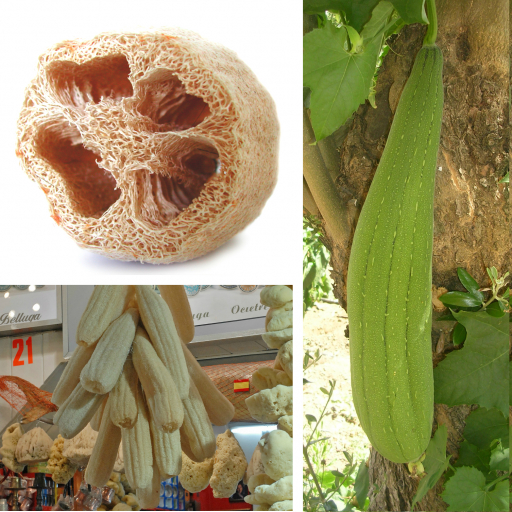
Commonly known as the Sponge Gourd or Egyptian Cucumber, this remarkable vine is a superstar of the garden that bridges the gap between the kitchen and the bathroom. While most people recognize the "loofah" as a bath accessory, few realize it grows on a vigorous, sun-loving vine. In many cultures, the young fruits are a culinary staple, prized for their ability to soak up flavors in stir-fries and soups.
🔍 How to Identify
- 🍃 Heart-Shaped Foliage: The leaves are large, dark green, and lobed, featuring a slightly rough texture that feels like fine sandpaper.
- 🌼 Vibrant Yellow Blooms: It produces striking, 2-to-4-inch wide yellow flowers. Interestingly, the plant produces separate male and female flowers on the same vine, requiring bees for pollination.
- 🥒 Transforming Fruit: The fruit starts as a smooth, green, cucumber-like gourd. As it matures, it loses weight, the skin turns brown and brittle, and the interior transforms into a dense network of straw-colored fibers.
🏡 In Your Garden
- 🧗 Vertical Ambitions: This is a heavy-duty climber that uses strong tendrils to scale heights. You must provide a very sturdy trellis or fence; if left to grow on the ground, the gourds are prone to rot and may grow in distorted, curled shapes.
- ☀️ Sun & Patience: Luffa is a tropical native that demands full sun and a long, warm growing season (often 150+ days). If you live in a northern climate, you'll need to start seeds indoors weeks before the last frost to ensure the fruit has time to dry on the vine.
⚠️ Safety & Toxicity
- 🟢 Safe & Edible: The young fruits are completely safe to eat and are very nutritious. However, once the fibers begin to develop, they become bitter and indigestible.
- 🐾 Pet Perspective: While not listed as a toxic plant, the mature, dried sponge fibers are not digestible. If a dog decides to use a dried loofah as a chew toy, it could cause an intestinal blockage.
✨ Fun Fact
Contrary to popular belief, the loofah "sponge" is not a sea creature! It is actually the dried vascular system (the "skeleton") of the fruit. After the gourd dries on the vine, the skin is peeled away and the seeds are shaken out, leaving behind the natural cellulose fibers that have been used for scrubbing for thousands of years.

Detailed Care Instructions
To grow Luffa Aegyptiaca (also known as sponge gourd or Egyptian cucumber), follow these steps:
- Climate and soil requirements: Luffa plants thrive in warm climates with temperatures between 70-90°F (21-32°C). They prefer well-draining soil with a pH level between 6.0-7.5.
- Start seeds indoors: Luffa plants have a long growing season, so it's recommended to start seeds indoors 4-6 weeks before the last expected frost date. Plant seeds in biodegradable pots or seed trays filled with seed-starting mix, and keep them in a warm location with plenty of sunlight.
- Transplant the seedlings: After the threat of frost has passed, transplant seedlings outdoors. Choose a sunny location with at least 6-8 hours of direct sunlight per day. Space the seedlings about 6-8 feet apart to give them room to spread.
- Support structure: Since Luffa plants are vigorous climbers, you will need to provide them with a support structure to climb on. You can use a trellis, fence, or construct a simple framework using bamboo poles or string.
- Watering and fertilizing: Luffa plants require regular watering, especially during dry periods. Keep the soil consistently moist, but avoid overwatering to prevent root rot. Apply a balanced liquid fertilizer every 2-3 weeks to promote healthy growth.
- Pruning and training: As the plants grow, train the vines to climb along the support structure. You can gently tie them to the trellis or twist them around the support. Prune any dead, damaged, or excessive growth to maintain a neat and healthy plant.
- Pollination: Luffa plants require pollination to produce fruit. Bees and other pollinators are attracted to the plant's yellow flowers. If there is a lack of pollinators, you can manually pollinate by using a small brush to transfer pollen between flowers.
- Harvesting: Luffa fruits are ready for harvest in about 120-160 days from planting. Harvest them when they are green, firm, and about 1.5-2 inches in diameter. Do not wait until they turn yellow or mature on the vine, as they become tough and fibrous. Cut the fruit from the vine, leaving a short stem.
- Drying and processing: To use Luffa as a sponge, allow the harvested fruit to mature and dry for several months to fully develop fibrous interiors. Peel off the outer skin and remove the seeds. Rinse the remaining fibrous skeleton to remove any residue or pulp. Allow it to dry thoroughly before using it as a sponge.
By following these steps, you should be able to grow Luffa Aegyptiaca successfully and enjoy the benefits of its natural sponge.

Place in a bright room that is sun drenched almost all day. Or directly in a south-facing window.

To water this plant, ensure that the soil is moist but not waterlogged. You can achieve this by checking the soil daily and watering as needed. It is important to keep the soil consistently moist, especially during the plant's growing season. When watering, avoid getting water on the leaves as this can lead to fungal diseases. Instead, water at the base of the plant. Additionally, reduce watering during the plant's dormant season and be sure to provide proper drainage to prevent water buildup in the soil.
To ensure optimal growth for this plant, it is recommended to apply a balanced fertilizer with equal amounts of nitrogen, phosphorus, and potassium. Only apply the fertilizer when the soil is moist, and avoid over-fertilizing as it can lead to negative effects on plant growth. It is best to apply only a small amount of the fertilizer every two to three weeks during the growing season. Always follow the instructions provided on the fertilizer packaging for best results.
The soil required for the Luffa Aegyptiaca plant should be well-draining and rich in organic matter to support healthy growth. The pH level of the soil should be neutral to slightly acidic, with a range of 6.0 to 7.5. The soil texture should be moderately sandy loam to loam, with good water retention capacity. The soil should also be free from heavy metals and toxic chemicals. Prior to planting, soil amendments may be added, such as well-rotted compost, aged manure, and organic fertilizer to improve soil fertility. When planting, the soil should be thoroughly moistened to facilitate germination and establishment. Adequate irrigation should be provided throughout the growing season, ensuring the soil remains consistently moist but not waterlogged.
To propagate this plant, the first step is to obtain mature seeds from a healthy plant. The seeds should then be soaked in water for 24 hours to soften the outer shell. After soaking, the seeds can be planted in well-draining soil that has been enriched with organic matter.
Plant the seeds 1-2 inches deep and water the soil regularly to keep it moist. Place the pot in a sunny location, and within a week or two, the seedlings should emerge.
Once the seedlings are around 4-6 inches tall, they can be transplanted into larger pots or directly into the ground, if the weather is warm enough. Ensure that the new location has plenty of sun, fertile soil, and adequate drainage.
To care for the plants, they should be watered regularly, but not over-watered as this can lead to root rot. Fertilize the plant every few weeks with a balanced fertilizer to encourage healthy growth.
The plant will produce both male and female flowers, and pollination will occur naturally with the help of insects. Be sure to harvest the fruit early to encourage further fruiting.
Common pests of the dishrag gourd include Spider mites, thrips, whiteflies. Make a habit of checking your dishrag gourd frequently for pests so that any infestations can be caught and managed early.








