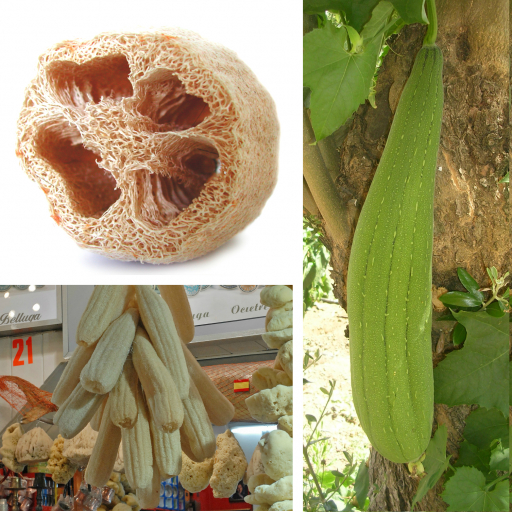
Plant Overview
Often called the "Sponge Gourd" or "Dishrag Gourd," Luffa cylindrica is a tropical wonder that bridges the gap between the vegetable garden and the bathroom. Native to South and Southeast Asia, this vigorous climber produces long, cucumber-like fruits that eventually transform into the fibrous scrubbers we use for exfoliating. In many cultures, the young, tender gourds are also a culinary staple, tasting like a cross between a zucchini and a cucumber.
🔍 How to Identify
- 🌿 Lush Foliage: Large, deeply lobed green leaves that resemble a grapevine or maple leaf, often reaching 5 to 10 inches across.
- 🌼 Sunny Blooms: Striking, bright yellow five-petaled flowers; the plant is "monoecious," meaning it produces separate male and female flowers on the same vine.
- 🥒 The Fruit: Long, cylindrical green gourds with smooth skin (distinguishing it from its "angled" cousin) that can grow up to 24 inches long.
🏡 In Your Garden
- 🧗 The Great Climber: This vine is an aggressive grower and requires a heavy-duty trellis, fence, or arbor. Keeping the gourds off the ground is essential to prevent rot and ensure the sponges grow straight.
- ☀️ Sun Seeker: It demands a long, hot growing season—often 150 to 200 frost-free days. If you live in a cooler climate, you’ll need to start seeds indoors early to give the fruit time to "brown" on the vine.
- 🦋 Pollinator Magnet: The large, nectar-rich flowers are highly attractive to honeybees and butterflies, making this plant an excellent choice for boosting garden biodiversity.
⚠️ Safety & Toxicity
- ✅ Generally Safe: Luffa cylindrica is non-toxic to humans and is not known to be a major threat to cats or dogs.
- 🍽️ Culinary Caution: Only very young gourds (under 6 inches) should be eaten. As they age, they develop a dense network of cellulose fibers that are impossible to digest.
- 👅 The Bitterness Test: If a young luffa tastes excessively bitter, do not eat it. This indicates a high concentration of cucurbitacins, which can cause stomach cramps or digestive upset.
✨ Fun Fact
🛀 Despite their name, luffas are not sea creatures! The "sponge" you buy at the store is actually the dried "skeleton" or vascular system of this fruit. Before synthetic materials were invented, the US Navy even used luffa fibers as filters in the steam engines of ships!

Detailed Care Instructions
To grow Luffa Cylindrica, commonly known as loofah, follow these steps:
- Climate: Luffa Cylindrica thrives in tropical and subtropical climates with warm temperatures of around 60-70°F (15-20°C). Ensure that your region has a long enough growing season before attempting to grow this plant.
- Soil: The plant prefers well-draining soil. Add compost or organic matter to improve soil fertility and drainage. A pH level between 6.0-7.0 is ideal for luffa growth.
- Germination: Start the seeds indoors 3-4 weeks before the last expected frost date in your area. Plant them ½ inch deep in small pots or seed trays filled with seed-starting soil. Keep the soil moist and provide warmth (around 75°F/24°C) to aid germination. Seeds usually germinate within 1-2 weeks.
- Transplanting: After the last frost has passed and the seedlings have grown 2-3 sets of true leaves, transplant them into their permanent location. Luffa needs ample space, so plant them about 5-6 feet apart to allow for vine growth. Alternatively, you can also grow them vertically on a trellis or fence to save space.
- Sunlight: Luffa Cylindrica requires full sun exposure to thrive. Ensure they receive at least 6-8 hours of direct sunlight every day.
- Watering: Keep the soil consistently moist but not waterlogged. Mulching around the plants helps prevent weed growth and retains soil moisture.
- Support: Luffa vines are vigorous climbers that require support. As they grow, provide a trellis, fence, or other sturdy structure for the vines to cling to.
- Fertilization: Apply a balanced, all-purpose fertilizer or compost during planting and then periodically throughout the growing season to promote healthy growth and fruit development.
- Pest and disease control: Monitor the plants regularly for pests like aphids, spider mites, and squash bugs. Hand-pick or use organic pest control methods to minimize pest damage. Fungal diseases can be prevented by providing good air circulation, avoiding overhead watering, and applying a copper-based fungicide if needed.
- Harvesting: The loofah fruits are ready for harvest when they turn yellow and the skin feels dry. Harvest them before the skin starts to brown or harden. Cut the fruit at the stem, leaving about 1-2 inches attached. Once harvested, remove the skin and seeds, and allow the inner fibrous skeleton to dry completely.
Remember, growing luffa requires patience and a long growing season, typically around 130-180 days from seed to harvest.

Place in a bright room that is sun drenched almost all day. Or directly in a south-facing window.

To water this plant, use a watering can or hose with a gentle flow to avoid disturbing the soil and roots. Water the plant deeply, making sure to moisten the soil to a depth of at least 6 inches. Allow the soil to dry out slightly between waterings to prevent overwatering and root rot. Check the soil moisture level by inserting your finger into the soil and feeling for dampness. If the soil feels dry, water the plant thoroughly. Watering in the early morning or late afternoon is recommended to prevent evaporation and give the plant enough time to absorb moisture before the heat of the day.
- Prepare the soil prior to planting by mixing in compost or other organic matter.
- Sow the seeds in well-draining soil with full sun exposure.
- When the seedlings have grown three true leaves, apply a balanced fertilizer with equal amounts of nitrogen, phosphorus, and potassium.
- Water the plant deeply, allowing the soil to dry slightly between waterings.
- Once the plant starts to flower, switch to a fertilizer with higher phosphorus content to promote fruit development.
- Fertilize every two weeks during the growing season.
- Stop fertilizing once the fruit is mature and ready to harvest.
Luffa Cylindrica is a plant that requires well-draining soil with good aeration, which means that the soil should not be too compact or heavy. The soil should be moist, but not waterlogged, as the plant does not tolerate standing water. Adding organic matter such as compost or aged cow manure to the soil can help improve its nutrient content and structure. It is also important to maintain a pH of between 6.0 and 7.5 for optimal growth. Overall, a loose, fertile soil that is well-aerated and able to hold onto moisture without becoming waterlogged is ideal for Luffa Cylindrica plant.
To propagate this plant, select mature fruits that are still green and have not yet ripened. Cut them open and remove the seeds, being careful not to damage them. Rinse the seeds with water and dry them in a well-ventilated area for several days.
Prepare a seedbed or plant pot filled with well-draining soil. Water the soil fully until it is moist but not waterlogged. Press seeds into the soil to a depth of about 1/4 inch and cover lightly with soil. Keep the soil moist but not waterlogged.
In about 7-14 days, the seeds should germinate and begin to grow. Once seedlings are a few inches tall, transplant them to a larger container or into the ground, spacing them about 1-2 feet apart. Choose a sunny area with good drainage.
Water regularly, but do not let the soil become waterlogged. Keep the area around the plants weed-free and provide support with trellises, stakes, or by planting them along a fence.
The plant will produce fruit in 60-90 days after planting. Harvest the fruit before it fully matures and turns brown. Cut the fruit from the vine and allow it to dry for a few weeks. Once dried, the skin and seeds inside can be removed, revealing the luffa sponge.
Common pests of the sponge gourd include Spider mites, thrips, whiteflies. Make a habit of checking your sponge gourd frequently for pests so that any infestations can be caught and managed early.








