Plant Overview
Often called the Sponge Cucumber or the tiny "Buchinha-do-norte," Luffa operculata is a fast-growing climbing vine that looks like a miniature version of the common bath loofah. Native to Central and South America, this plant is steeped in traditional folklore and is widely used in South American home remedies. While it appears delicate and decorative with its small, bristly fruits, it carries a potent biological punch that demands respect.
🔍 How to Identify
- 🌿 Leaf Shape: The leaves are heart-shaped or slightly lobed with three to five points, similar to a grape vine or cucumber leaf, and have a slightly rough texture.
- 🌼 Golden Blooms: It produces bright yellow, five-petaled flowers that emerge from the leaf axils, attracting pollinators like bees and small butterflies.
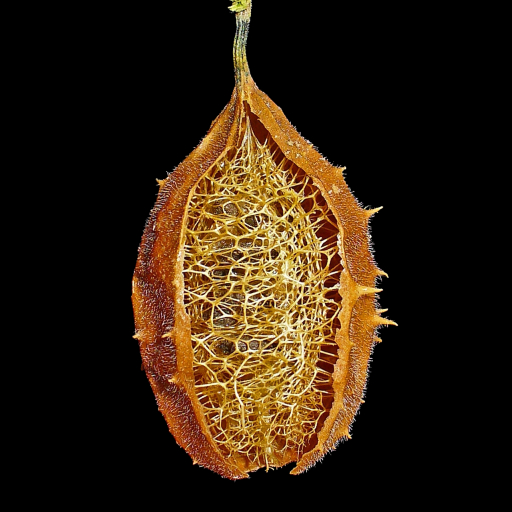
- 🏈 Spiny Fruit: The fruit is the standout feature; it is small (about the size of a plum), green, and covered in soft, flexible spines that look like a tiny, prickly football. As it dries, it turns brown and reveals a fibrous "skeleton" inside.
🏡 In Your Garden
- 🧗 Vertical Ambition: Because this is a vigorous climber, it requires a sturdy trellis, fence, or even a nearby tree to scramble up. Without support, it will quickly carpet the ground, potentially smothering smaller plants.
- ☀️ Tropical Cravings: This plant thrives in heat and high humidity. It has a sensitive root system that dislikes being moved, so it is best to sow seeds directly into warm soil once the threat of frost has completely passed.
⚠️ Safety & Toxicity
- 🚫 High Toxicity: This plant contains potent compounds called cucurbitacins. While used in highly diluted traditional medicines, the raw fruit is toxic if ingested and can cause severe vomiting, diarrhea, or even internal bleeding.
- 🐶 Pet and Child Hazard: All parts of the plant, especially the fruit and juice, are dangerous for pets and children. Inhalation of the dust from dry fruits can also cause intense irritation to the respiratory tract.
✨ Fun Fact
In Brazil, Luffa operculata is so famous for treating sinus issues that it is sold in almost every open-air market. However, it is nicknamed the "Internal Scrubber" because its juice is so caustic it can actually damage the nasal lining if not prepared with extreme care!

Detailed Care Instructions
To grow Luffa operculata, also known as the sponge gourd, follow these steps:
- Climate and soil requirements: Luffa operculata prefers warm climates with a minimum temperature of 65°F (18°C) but can survive in cooler regions. It requires well-draining loamy soil with a pH between 6.0 and 7.5.
- Planting: Start by soaking the seeds in warm water for 24 hours to enhance germination. Prepare the soil by loosening it with a garden fork or tiller. Plant the seeds 1/2 inch deep and 12-18 inches apart, either directly in the ground or in pots if you prefer container gardening.
- Sunlight: Place the plants in an area that receives full sunlight for at least 6-8 hours a day.
- Watering: Luffa operculata plants require regular watering to maintain even moisture in the soil. Keep the soil moist but not waterlogged. Water deeply at least once a week, adjusting the frequency based on rainfall and local conditions.
- Trellising: Luffa operculata is a vine plant that requires support for climbing. Install a trellis or provide stakes for the plants to train them vertically. This helps save space and ensures better air circulation, reducing the risk of diseases.
- Fertilization: Apply organic compost or well-balanced slow-release fertilizer during planting. Side dress the plants with additional compost or fertilizer as they grow to promote healthy growth.
- Pruning: Regularly prune the plant to control its growth and prevent excessive branching. Focus on removing dry, damaged, or dead parts to keep the plant healthy.
- Pest and disease control: Monitor the plants for common pests like aphids, cucumber beetles, and spider mites. Use organic insecticides or natural pest control methods if necessary. To prevent diseases, maintain good air circulation, avoid overwatering, and promptly remove any infected leaves or fruits.
- Harvesting: Luffa operculata is typically harvested when the gourds have matured and turned brownish-yellow. You can cut the mature gourds from the vine and let them dry for several weeks before processing them to obtain sponges.
- Processing: Once the gourds have dried, remove the outer skin and seeds to obtain the sponges. You can then clean and sanitize them for various uses, such as kitchen scrubbers or bath sponges.
Remember to check your local regulations as Luffa operculata may be considered invasive in some regions.

Place in a bright room that is sun drenched almost all day. Or directly in a south-facing window.

Luffa Operculata is a type of plant that requires adequate watering to thrive and produce healthy fruits. When it comes to watering your Luffa Operculata plant, you should aim to keep the soil consistently moist without overwatering it. This plant prefers well-draining soil, and it's important to check the soil moisture levels regularly to ensure that it's not drying out.
To water your Luffa Operculata plant, you should use a watering can or a hose with a gentle flow to avoid damaging the fragile roots. Water the soil around the base of the plant, avoiding the leaves and stems, as wet foliage can lead to fungal infections. Use enough water to soak the soil to a depth of about 1-2 inches. If the soil is clay-like or dense, water slowly and in small amounts at a time to prevent water runoff.
In hot and dry climates, Luffa Operculata plants may require watering more frequently than in cooler regions. You can use mulch around the base of the plant to help maintain soil moisture and reduce water loss through evaporation.
Overall, watering Luffa Operculata plants requires consistent monitoring of the soil moisture levels and providing enough water, but not overwatering, to keep the plant healthy and thriving.
To fertilize the plant, apply a balanced fertilizer with equal parts nitrogen, phosphorus, and potassium every two weeks during the growing season. Use a granular fertilizer, either organic or chemical, and spread it around the base of the plant, being careful not to get any on the leaves. Water the plant well after fertilizing to help the nutrients soak in. Avoid over-fertilizing, as it can lead to excessive foliage growth at the expense of fruit production.
Luffa Operculata plant requires a well-draining soil that is rich in nutrients. The soil should be slightly acidic and have good water-retaining capacity. It is important to use a soil mix that is loose and friable, allowing air and water to move freely through the soil. A mixture of loam, peat, and sand is ideal for this plant. Avoid using heavy soils that retain too much water, as they can cause root rot. Additionally, adding organic matter, such as compost or aged manure, can improve soil structure and fertility. It is also recommended to add a slow-release fertilizer to the soil before planting to provide a steady supply of nutrients.
Luffa Operculata is commonly propagated through seed, but it can also be propagated through stem cuttings. To propagate through stem cuttings, select a healthy stem from the parent plant that is approximately 4-6 inches in length. Make a clean cut below a node, and remove the lower leaves. Dip the cut end in rooting hormone and plant it in a well-draining soil mixture. Keep the soil moist and provide indirect sunlight. After a few weeks, the cutting should develop roots and new leaves. Transplant the new plant into a larger pot or into the garden when it has established a strong root system.








