Plant Overview
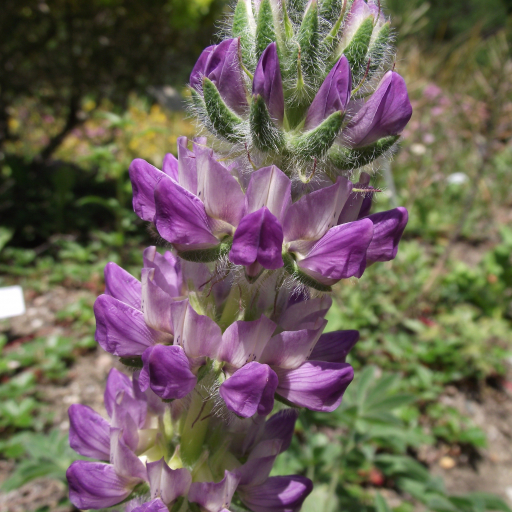
Often called the Golden Lupine or the quirky "Fried Egg Plant," Lupinus densiflorus is a California native that paints hillsides in shades of buttery yellow and creamy white. Unlike the tall, purple lupines often seen in mountainous regions, this species is a hardy annual that lives fast and blooms spectacularly in lower elevations and coastal scrub. It is a favorite for wildflower enthusiasts because it heals the earth by "fixing" nitrogen back into the soil.
🔍 How to Identify
- 🌼 Flower Arrangement: Look for distinctive "whorled" clusters where blossoms grow in neat, stacked circles around a central stalk, creating a tiered effect.
- ✋ Palmately Compound Leaves: The foliage resembles a green starburst or the outstretched fingers of a hand, usually consisting of 7 to 9 narrow leaflets.
- ☁️ Silvery Texture: The stems and leaves are often covered in fine, soft hairs that give the plant a slightly shimmering, frosted appearance under the sun.
🏡 In Your Garden
- 🌱 The Taproot Rule: This plant develops a deep, sensitive taproot very early in its life. Because it hates being disturbed, it is much more successful when sown directly from seed rather than being transplanted from a nursery pot.
- 🐝 Pollinator Magnet: Its dense flower spikes are high-protein buffets for native bumblebees. Planting these is a surefire way to support local bee populations and ensure a lively, buzzing garden.
- 🏜️ Sun & Soil: It thrives in "lean" soil that doesn't have too many nutrients. In fact, if the soil is too rich, the plant may grow lots of leaves but very few of its iconic golden flowers.
⚠️ Safety & Toxicity
- 🚫 Status: Toxic to humans and animals.
- 🐾 Details: Like many members of the Lupine family, this plant contains alkaloids (specifically lupinine). While the "bean-like" seed pods look tempting, they can cause digestive upset, slowed heart rate, and respiratory issues if eaten. Keep a close eye on curious pets or toddlers who might mistake the pods for garden peas.
✨ Fun Fact
The name Lupinus is derived from the Latin word for "wolf." Ancient farmers mistakenly believed these plants "wolfed" all the nutrients out of the soil because they were often found growing in poor, sandy ground where no other crops could survive. In reality, the Lupine was actually nourishing the soil!

Detailed Care Instructions
To grow Lupinus densiflorus (Dwarf Lupine) plants, follow these steps:
- Choose a suitable location: Lupinus densiflorus prefers full sun to partial shade. Select an area with well-drained soil that is slightly acidic to neutral pH.
- Prepare the soil: Work the soil, removing any weeds or debris. Add organic compost or well-rotted manure to enhance soil fertility and drainage.
- Sow the seeds: Directly sow the seeds into the prepared soil in the spring or early summer, just before the last frost. Lupinus densiflorus is an annual plant and can be started from seeds outdoors. Scatter the seeds and lightly press them into the soil. Leave around 12 to 18 inches of space between each plant.
- Watering: Water the seeds gently after planting to ensure good soil contact. Avoid over-watering, as Lupinus densiflorus prefers slightly drier conditions.
- Maintaining the plants: Ensure the plants receive at least 6 hours of sunlight each day. Water the plants moderately, allowing the soil to dry slightly between waterings. Avoid overhead watering to minimize the risk of fungal diseases.
- Fertilizing: Lupinus densiflorus does not typically require regular fertilization if the soil is already fertile. However, you can apply a balanced slow-release fertilizer at the beginning of the growing season if desired.
- Mulching: Apply a layer of organic mulch, such as straw or wood chips, around the base of the plants to conserve moisture and suppress weed growth.
- Deadheading: After the flowers fade, deadhead the plants by removing spent blooms. This encourages the production of new flowers.
- Pests and diseases: Lupinus densiflorus plants are generally resistant to most pests and diseases. However, occasional aphid infestations or fungal diseases can occur. Monitor the plants regularly and take appropriate measures if needed, such as using organic insecticidal soap for aphids or fungicides for diseases.
- Propagation: If you wish to propagate more Lupinus densiflorus plants, collect mature seeds after the flowers have dried on the plants. Store the seeds in a cool, dry place until the next growing season, or sow them immediately in pots or directly in the garden.
By following these guidelines, you should be able to successfully grow Lupinus densiflorus plants and enjoy their colorful blooms.

Place in a bright room that is sun drenched almost all day. Or directly in a south-facing window.

Lupinus densiflorus is a plant that requires regular watering to keep it healthy and vibrant. When watering this plant, it is important to water deeply and thoroughly to ensure the entire root system is receiving enough water.
To water, fill a watering can or use a hose to gently saturate the soil around the base of the plant. Water until the soil is moist but not sodden, and avoid getting water on the leaves or flowers as this can lead to fungal growth.
During hot, dry weather, you may need to water more frequently to prevent the soil from drying out completely. Conversely, during cooler, wetter periods, you may need to water less frequently to avoid over-saturating the soil.
It is also important to ensure that the soil has good drainage to prevent the roots from becoming waterlogged. If the soil is heavy and clay-like, adding a layer of organic material such as compost or mulch can help improve drainage.
Overall, the key to watering Lupinus densiflorus is to maintain a consistent level of moisture in the soil without overdoing it. With the right care, this plant should thrive and produce beautiful blooms year after year.
To fertilize this plant, apply a well-balanced fertilizer in the early spring before new growth appears. Apply again in early summer and late summer, following the manufacturer's instructions for dosage. Water the plant thoroughly after fertilizing to ensure the nutrients reach the roots. Avoid fertilizing in the fall or winter as this can encourage tender new growth that can be damaged by frost.
Lupinus densiflorus plants thrive in well-draining soil that is rich in nutrients. The ideal soil texture for these plants is loamy soil that contains a combination of sand, silt, and clay particles. The pH level of the soil should be between 6.0 and 7.5.
Recommended soil amendments include compost, aged manure, and peat moss. These additives provide the necessary nutrients for the plant's growth and improve soil texture and water-holding capacity. It is also recommended to incorporate a slow-release fertilizer into the soil to ensure steady nutrient availability throughout the growing season.
To improve drainage, it is advisable to mix coarse sand or perlite into the soil mix. Avoid using heavy clay soils and soils that are prone to becoming waterlogged, as it can lead to the development of root rot and other fungal diseases.
In summary, Lupinus densiflorus plants prefer well-draining, loamy soil that is rich in nutrients and has a pH level between 6.0 and 7.5. Incorporating compost, aged manure, and peat moss into the soil mix, along with a slow-release fertilizer, can aid in the plant's growth and health. Adding coarse sand or perlite can also help improve soil drainage.
The Lupinus Densiflorus plant can be propagated by seed or by vegetative propagation. To propagate by seed, collect the mature pods from the plant and allow them to dry out completely. The seeds can then be removed from the pod and stored until ready to plant. To propagate by vegetative means, take cuttings from the plant that have at least two nodes. Dip the end of the cutting in rooting hormone and plant it in a well-draining soil mix. Keep the soil moist and in a partially shaded area until the new plant has established roots.








