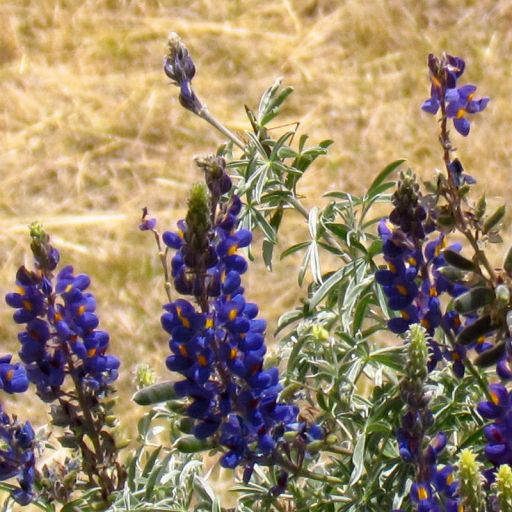
Plant Overview
Often called "Tarwi," "Chocho," or the "Andean Pearl," Lupinus mutabilis is a high-altitude superstar from the Andes mountains. While it looks like a standard garden lupine, it has been a staple superfood for the Inca civilization for over 1,500 years. Its striking towers of multicolored blossoms make it a visual masterpiece in any cool-climate landscape.
🔍 How to Identify
- 🌿 Palm-Like Foliage: The leaves are "palmate," meaning they branch out from a central point like the fingers on a hand, typically featuring 7 to 9 narrow, silvery-green leaflets.
- 🎨 Color-Shifting Blooms: The pea-like flowers appear in dense upright spikes. They usually start as a mix of white and sky-blue with a bright yellow "eye" that turns reddish-purple after pollination.
- 🥜 Velvety Pods: After the flowers fade, the plant produces thick, hairy green pods that contain large, flat, ivory-white seeds that resemble oversized lima beans.
🏡 In Your Garden
- 🌱 Soil Architect: This plant is a powerful "nitrogen fixer." It hosts beneficial bacteria in its root nodules that pull nitrogen from the air to enrich the soil, making it an excellent "green manure" for your garden beds.
- 🏔️ The Taproot Factor: Because it originates in rugged mountain terrain, it develops a deep, sturdy taproot to find water. This makes the plant very drought-tolerant once established, but it also means it hates being transplanted—pick its "forever home" carefully!
⚠️ Safety & Toxicity
- 🚫 Bitter Defense: The raw seeds and foliage contain high levels of bitter alkaloids (lupanine). These are toxic and can cause "lupinism" (nervous system distress) if eaten raw or improperly prepared.
- 🐾 Pet Safety: This plant is considered toxic to dogs, cats, and livestock. Ingestion can lead to weakness, breathing difficulties, or digestive upset, so it is best kept in areas where pets don't forage.
✨ Fun Fact
✨ In the Andes, the bitter water used to soak the seeds is never wasted; because of its high alkaloid content, traditional farmers use it as a natural liquid pesticide to protect other crops from pests!

Detailed Care Instructions
To grow Lupinus mutabilis, also known as the Andean lupin, you can follow these steps:
- Choose a suitable location: The Andean lupin plant prefers full sunlight, so select a location that receives at least 6 to 8 hours of direct sunlight per day. Additionally, ensure the soil is well-draining and fertile.
- Prepare the soil: Before planting, prepare the soil by removing any weeds, rocks, or debris. Loosen the soil using a garden fork or tiller, breaking up any large clumps.
- Sow the seeds: Lupinus mutabilis can be grown from seeds. Sow the seeds directly into the prepared soil. Make sure to space the seeds about 8 to 12 inches apart and plant them at a depth of around 1 inch. Alternatively, you can start the seeds indoors and transplant the seedlings outdoors once they have grown a few inches tall.
- Watering: After planting, water the seeds and young plants regularly. Keep the soil consistently moist but not waterlogged. Avoid overwatering, as it can lead to root rot.
- Fertilizer: Lupinus mutabilis benefits from regular fertilization. Use a balanced fertilizer or organic compost to feed the plants once every four to six weeks during the growing season.
- Provide support: As the lupin plants start to grow tall, they may require support to prevent them from falling over or breaking. Install stakes or garden trellises nearby to support the plants as they mature.
- Mulching: Add a layer of mulch around the plants to help conserve moisture, suppress weeds, and regulate soil temperature. Organic mulches such as wood chips or straw work well.
- Pest and disease management: Keep an eye out for common pests like aphids or slugs, which can damage the plants. If necessary, use appropriate pest control methods such as insecticidal soap or organic slug repellents. Also, ensure proper air circulation around the plants to prevent fungal diseases.
- Harvesting: Lupinus mutabilis typically starts flowering in late spring or early summer. The flowers will eventually turn into seed pods. Harvest the seeds when the pods feel dry, brown, and brittle. Remove the pods from the plants and allow them to dry further indoors. Once fully dry, the seeds can be saved for future planting or used in cooking.
By following these steps, you can successfully grow Lupinus mutabilis plants in your garden or outdoor space.
To water this particular plant, make sure that the soil is consistently moist but not waterlogged. Check the soil daily and only water when the top inch of soil feels dry. When watering, water deeply and slowly at the base of the plant, making sure not to splash the leaves. Use a watering can or hose with a gentle spray nozzle. Avoid overhead watering, as this can lead to leaf diseases and damage. In hot and dry weather, you may need to water more frequently to keep the soil moist.
- Choose a balanced fertilizer, such as a 10-10-10 or 20-20-20 mix.
- Apply the fertilizer at a rate of 1 pound per 100 square feet.
- Sprinkle the fertilizer evenly over the soil.
- Water the soil thoroughly after fertilizing to help the nutrients reach the roots.
- Repeat fertilization every 4-6 weeks during the growing season.
- Avoid fertilizing during the winter months when the plant is dormant.
- Always follow the manufacturer's instructions for the specific fertilizer being used.
- Monitor the plant for any signs of over-fertilization, such as yellowing leaves or stunted growth, and adjust the amount or frequency of fertilization accordingly.
The Lupinus Mutabilis plant grows best in soil that is well-draining, fertile, and moist but not waterlogged. It requires soil that is neutral to slightly acidic, with a pH range between 6.0 and 7.5. The plant prefers soil that is sandy or loamy, as it needs good aeration and drainage for its roots to thrive. The soil should also be rich in organic matter, such as compost or well-rotted manure, that provides essential nutrients for the plant's growth. Additionally, the Lupinus Mutabilis plant requires full sun exposure for at least six hours a day and protection from strong, drying winds.
The propagation method for this plant involves collecting seeds from matured Lupinus Mutabilis plants. The seeds should be collected during the dry season when the pods have dried out and turned brown. Once the seeds have been collected, they should be cleaned of any debris and stored in a cool, dry place until planting.
Before planting, it is important to scarify the seed coat to promote germination. This can be done by rubbing the seeds with sandpaper or soaking them in hot water for several hours.
The seeds should then be planted in well-draining soil in a sunny location. Preferably, the soil should have a pH between 6.0 and 7.5. The seeds should be planted at a depth of about 1/2 inch and watered regularly to keep the soil moist but not waterlogged.
Seedlings will emerge in about 2-4 weeks and should be thinned to prevent overcrowding and competition for resources. Once the seedlings have developed 3-4 true leaves, they can be transplanted into their permanent location.
Overall, propagating Lupinus Mutabilis from seeds is a fairly simple process, but it does require some patience and attention to detail. With proper care, the resulting plants can be a beautiful addition to any garden or landscape.








