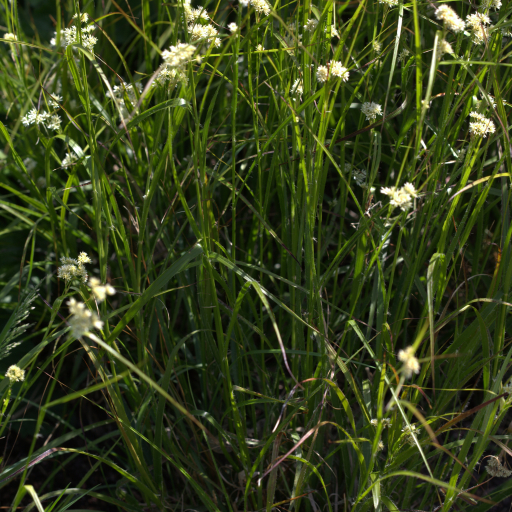
Plant Overview
Often called the Snowy Woodrush, this alpine beauty looks like a delicate ornamental grass but actually belongs to the rush family. Native to the mountain meadows of Central and Southern Europe, it is a favorite for gardeners looking to brighten up shady corners where other flowers might struggle. It brings a touch of "everlasting snowfall" to the garden floor with its fluffy, brilliant white blooms that persist long after they first emerge.
🔍 How to Identify
- ❄️ Snowy Clusters: Look for dense, starry clusters of pure white flowers that stand on thin stems well above the foliage during early to mid-summer.
- 🧶 Hairy Margins: The dark green, blade-like leaves are edged with fine, soft white hairs (cilia), which is a classic giveaway for the Luzula genus.
- 🌿 Tufted Habit: It grows in tidy, evergreen mounds that stay lush and green all year round, providing excellent ground cover even in winter.
🏡 In Your Garden
- 💡 The Shade Specialist: This plant is a "light bulb" for dark areas. It thrives in partial to full shade, making it perfect for planting under large trees or along north-facing walls.
- 💪 Low Maintenance: While it prefers moist, well-drained soil, it is surprisingly resilient. Once established, it can handle occasional dry spells better than most woodland plants.
- 🧤 No-Fuss Grooming: Because it is evergreen, it requires very little work. You only need to comb through the clump with your fingers or give it a light trim in early spring to remove any winter-damaged leaves.
⚠️ Safety & Toxicity
- ✅ Safe for All: Luzula nivea is generally considered non-toxic to humans, dogs, and cats. It is a "worry-free" addition to family gardens.
- 🌱 Texture Note: While not poisonous, the tiny white hairs on the leaves can feel slightly scratchy. If you have very sensitive skin, you might prefer wearing gloves when dividing large clumps.
✨ Fun Fact
The genus name Luzula is thought to be derived from the Italian word lucciola, which means "glow-worm." This is likely a reference to the way its bright white flower heads catch the moonlight, making the plant appear to glow in the dark of a midnight forest.

Detailed Care Instructions
| Humidity | Normal |
| Difficulty | Medium |
| Hibernation | Cold Period |
| Hardiness Zones | 4A - 9B |
To grow Luzula nivea, also known as Snowy Woodrush, follow these steps:
- Choose the right location: Luzula nivea prefers partial shade to full shade, although it can tolerate some morning sun. Select a location with well-draining soil, as the plant does not like standing water.
- Prepare the soil: Prior to planting, make sure the soil is loose and amended with organic matter, such as compost or peat moss. This helps improve soil fertility and drainage.
- Propagation: You can start Luzula nivea from seeds, division, or purchased plants. Sow the seeds in early spring or fall, by lightly spreading them over the soil surface and covering them with a thin layer of soil. Alternatively, divide an existing plant by digging up the clump and separating it into smaller sections. Plant the divisions immediately.
- Planting: Dig a hole that is slightly wider and deeper than the root ball of your Luzula nivea plant. Place the plant in the hole, ensuring that the crown of the plant (where the stems meet the roots) is level with the soil surface. Backfill the hole with soil, gently firming it around the roots. Water thoroughly after planting.
- Watering: Luzula nivea prefers moist soil but can tolerate short periods of dryness. Water deeply and regularly during dry spells, and reduce watering during rainy periods.
- Mulching: Apply a layer of mulch around the base of the plant to help conserve moisture, prevent weed growth, and maintain a more consistent temperature for the roots.
- Maintenance: Luzula nivea is relatively low maintenance. Remove any dead or faded foliage throughout the year to maintain the plant's neat appearance. Additionally, you can divide the plant every few years to rejuvenate it and promote healthy growth.
- Pests and diseases: Snowy Woodrush is generally pest and disease-resistant. However, if you notice any signs of pests or diseases, treat the plant accordingly using the appropriate organic or chemical remedies.
By following these steps, you should be able to successfully grow Luzula nivea in your garden or landscape.

Place in a window with dappled sun or a spot in the middle of a room. Or directly in a window facing west or east.

Luzula Nivea is a plant that requires regular watering to ensure its healthy growth. To properly water this plant, you should ensure that the soil is consistently moist but not waterlogged. This can be achieved by watering the plant once or twice a week, depending on the climate and season.
It is important to water the plant at the base, rather than from above, as this can cause damage to the delicate leaves. You should also avoid getting water on the foliage, as this can lead to fungal diseases and other issues.
To check if the plant needs watering, you can stick your finger into the soil to a depth of around two inches. If the soil feels dry at this depth, it is time to water the plant.
During hot and dry weather, it is important to increase the frequency of watering to ensure the plant stays healthy and hydrated. In contrast, during colder months, you may not need to water the plant as frequently.
Overall, keeping a consistent watering schedule and avoiding over or under watering is key to ensuring the health and vitality of Luzula Nivea.
To provide proper fertilization instructions for Luzula Nivea plant, without mentioning its common names, here are the guidelines:
- Choose a balanced organic fertilizer, such as a 10-10-10 or 20-20-20 NPK (Nitrogen, Phosphorous, Potassium) ratio.
- Dilute the fertilizer according to the manufacturer's instructions, typically mixing it with water.
- Apply the diluted fertilizer to the soil around the base of the plant, avoiding direct contact with the leaves.
- Ensure that the soil is moist before applying the fertilizer to prevent burning the roots.
- Fertilize the Luzula Nivea plant once every two to four weeks during the growing season, which is usually spring and summer.
- Avoid over-fertilizing, as it can lead to nutrient imbalances and potential harm to the plant.
- After fertilization, water the plant thoroughly to help the nutrients penetrate the soil.
- Observe the plant for signs of nutrient deficiency or excess, such as yellowing leaves or stunted growth, and adjust the fertilization accordingly.
- During the dormant period in winter, reduce or halt fertilization, as the plant's nutrient requirements decrease.
- Monitor the overall health of the plant and make adjustments to the fertilization schedule as needed to promote optimal growth and vitality.
The ideal soil for the plant should be well-draining and rich in organic matter. It should not be compact and heavy. A slightly acidic to neutral soil pH level is preferred. The plant can tolerate a variety of soil types, including sandy, loamy, or clay soils, as long as they are well-draining. Adding organic matter such as compost or leaf mold to the soil can help improve its structure and fertility. It's important to ensure that the soil is not too wet or too dry, as this can affect the growth and health of the plant.
Luzula Nivea, a perennial plant in the Juncaceae family, can be propagated through various methods such as division, seed sowing, or rhizome cuttings. Here is a detailed description of each propagation method:
- Division: This method involves separating the mature plant into smaller sections, which are then replanted to grow as individual plants. Here's how:
- Select a healthy and well-established Luzula Nivea plant.
- Carefully dig around the base of the plant and lift it from the ground.
- Gently separate the plant into smaller sections, ensuring that each section has a good root system and some healthy shoots or leaves.
- Plant the divided sections into prepared soil or containers, ensuring they are placed at the same depth as the original plant.
- Water the newly planted sections thoroughly and provide appropriate care until they establish roots and start growing.
- Select a healthy and well-established Luzula Nivea plant.
- Seed sowing: Another common method of propagation is through seeds. Here's how you can propagate Luzula Nivea from seeds:
- Collect ripe seeds from a mature Luzula Nivea plant.
- Fill a seed tray or pots with a well-draining potting mix.
- Sow the seeds evenly on the surface of the soil and lightly press them down.
- Cover the seeds with a thin layer of soil or vermiculite to maintain moisture and protect them from direct sunlight.
- Water the seeds gently to ensure the soil remains consistently moist but not waterlogged.
- Place the seed tray or pots in a warm and bright location, preferably with indirect sunlight.
- Germination may take several weeks. Once the seedlings have grown to a suitable size, transplant them to individual pots or a permanent location in the garden.
- Collect ripe seeds from a mature Luzula Nivea plant.
- Rhizome cuttings: This method involves taking sections of the rhizome, an underground stem, to propagate new plants. Here's how you can do it:
- Identify a vibrant and healthy Luzula Nivea plant with well-developed rhizomes.
- Using clean and sharp gardening shears or a knife, carefully cut a section of the rhizome. Ensure that the section has several buds or growth points.
- Plant the rhizome cutting horizontally or slightly angled into a pot or prepared soil, leaving the buds or growth points exposed above the surface.
- Water the cutting thoroughly and place it in a shaded or partially shaded area.
- Keep the soil consistently moist but not waterlogged, providing a suitable environment for root development.
- Over time, the rhizome cutting will develop roots and shoots, establishing itself as a new plant.
Remember to provide appropriate care, including regular watering, suitable light conditions, and protection against extreme temperatures or adverse weather, to ensure successful propagation.
- Identify a vibrant and healthy Luzula Nivea plant with well-developed rhizomes.








