Plant Overview
Often whispered about as the New Zealand Orange Berry or the Lantern Berry, Luzuriaga parviflora is a delicate, creeping treasure found in the cool, mossy rainforests of New Zealand. Despite the "orange" in its nickname, this plant actually produces snowy white berries that look like tiny pearls dropped among the ferns. It is a slow-growing evergreen that loves to scramble over fallen logs or hug the trunks of giant tree ferns in the wild.
🔍 How to Identify
- 🍃 The Foliage: Small, dark green, glossy leaves that grow in a distinct "two-ranked" pattern, meaning they lie flat on either side of the stem. If you look closely, you’ll see fine parallel veins running the length of each leaf.
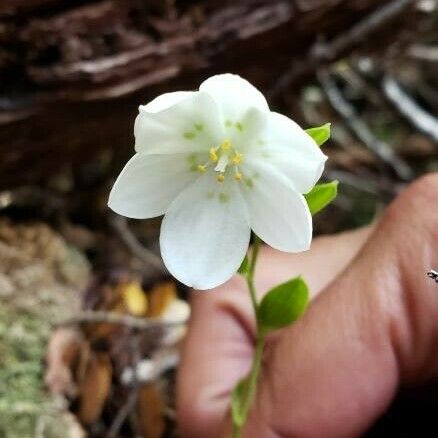
- 🌸 The Flowers: Hanging like tiny white lanterns, the flowers are bell-shaped with six petals. They usually appear in late spring or summer and have a subtle, sweet fragrance.
- ⚪ The Berries: Unlike its South American cousins, this species produces fleshy, spherical berries that are pure white when ripe, lasting well into the winter months.
🏡 In Your Garden
- ☁️ Atmospheric Needs: This plant is a "humidity hunter." It thrives in damp, shaded spots that mimic the forest floor. It is perfect for a fernery or a shaded rock garden where the soil stays consistently moist but never waterlogged.
- 🌳 The Support Factor: Because it often grows as an epiphyte (on other plants) in nature, it appreciates being tucked near a mossy log or a ponga (tree fern) trunk where its thin stems can find purchase.
- 🌱 Root Sensitivity: Be very gentle when planting; it has a delicate root system that resents being moved once established. It prefers acidic soil rich in leaf mold.
⚠️ Safety & Toxicity
- 🟢 Status: Generally considered non-toxic.
- 🐾 Details: While there are no documented reports of high toxicity to humans or pets, the berries are not considered a culinary crop. As with any ornamental forest plant, it is best to keep it out of reach of curious puppies or toddlers to avoid tummy upsets from accidental ingestion.
✨ Fun Fact
The name Luzuriaga honors Don Lorenzo de Luzuriaga, an 18th-century Spanish nobleman, but the plant itself is a true survivor of ancient Gondwana. Its closest relatives are found thousands of miles away in South America, proving that this tiny forest crawler has a lineage that predates the breakup of the continents!

Detailed Care Instructions

Place in a window with dappled sun or a spot in the middle of a room. Or directly in a window facing west or east.

Some plants require more regular watering than others, which should be done every few days. It's critical to maintain the soil moist all of the time. The water requirements of the same plant placed in pots with varying sizes will differ. Because the water in the smaller pot evaporates faster than the water in the larger pot, it will require more watering. Regardless of pot size, the surface should constantly be maintained moist.








