Plant Overview
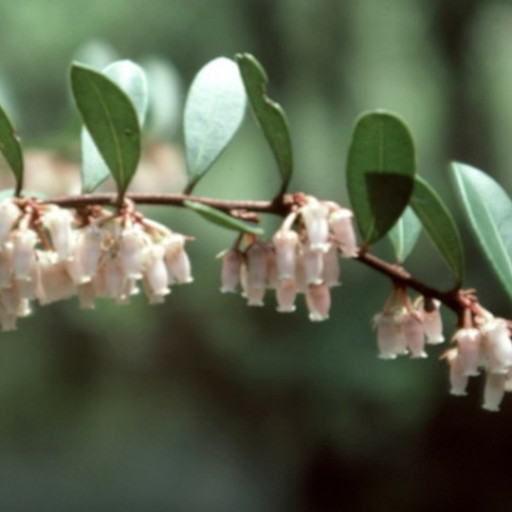
Known as the Fetterbush or Shiny Lyonia, this evergreen shrub is a jewel of the Southeastern United States' wetlands. Its name "Fetterbush" comes from its dense, zig-zagging branches that were once said to "fetter" or entangle the legs of travelers and livestock. With leaves so glossy they look like they’ve been hand-polished, it provides a lush, tropical feel to even the boggiest of landscapes.
🔍 How to Identify
- 🍃 Mirror-Like Leaves: The foliage is leathery, thick, and exceptionally shiny. If you look closely at the underside, you’ll see a distinct vein running perfectly parallel to the leaf's edge—a botanical "ID card" for this species.
- 🔔 Bell-Shaped Blooms: In early spring, the plant drips with clusters of small, fragrant, urn-shaped flowers. These are typically a soft pink to creamy white and emerge from the leaf axils.
- 🌿 Angled Stems: The new growth often has a flattened or slightly winged appearance, creating a structural, architectural look in the garden.
🏡 In Your Garden
- 💧 The Moisture Lover: Unlike many garden shrubs that fear "wet feet," the Fetterbush thrives in soggy, acidic soil. It is the perfect candidate for a rain garden or that low-lying spot in your yard where water tends to collect.
- ☀️ Dappled Light is Best: While it can tolerate full sun if the ground is kept consistently wet, it truly shines in the filtered light beneath a canopy of pine or cypress trees, mimicking its natural woodland home.
⚠️ Safety & Toxicity
- 🐾 Toxic to Pets: Like many members of the Heath family (Ericaceae), the Fetterbush contains grayanotoxins. It is toxic if ingested by dogs, cats, or horses.
- 🍯 "Mad Honey" Risk: While rare, if bees forage exclusively on Lyonia, the resulting honey can be toxic to humans. It is best treated as an ornamental beauty rather than a forage plant.
✨ Fun Fact
The Fetterbush is a "fire-follower." In its native habitat, it is perfectly adapted to survive wildfires; while the top may burn, its hardy underground root system (rhizomes) quickly sends up vigorous new shoots as soon as the smoke clears!

Detailed Care Instructions
To grow Lyonia Lucida, also known as shiny Lyonia or fetterbush, follow these steps:
- Choose a suitable location: Lyonia Lucida thrives in moist, acidic soils and prefers partial shade to full sun. It can tolerate wet conditions, making it ideal for bog gardens or near ponds.
- Prepare the soil: Ensure the soil is well-draining and slightly acidic, with a pH between 4.5 and 6.5. Amend the soil with organic matter, such as peat moss or compost, to increase acidity and improve drainage.
- Planting method: If planting from seeds, stratify them for several weeks before planting. Mix the seeds with moist sand and place them in the refrigerator at around 40°F (4°C) for 4-6 weeks. Afterward, plant the seeds in a prepared seedbed, lightly covering them with soil, and keep them consistently moist.
- Watering: Keep the soil evenly moist but not waterlogged. Water the plant regularly during the growing season, providing supplemental irrigation during dry spells. Avoid overhead watering as it might promote disease.
- Mulching: Apply a layer of organic mulch, such as bark chips or pine needles, around the base of the plant to retain moisture, suppress weeds, and maintain soil acidity.
- Pruning: Prune Lyonia Lucida lightly in early spring before new growth appears. Remove any dead or damaged branches, and shape the plant as desired.
- Fertilization: Lyonia Lucida usually thrives without excessive fertilization. However, if the plant shows signs of nutrient deficiency, apply a slow-release, acid-loving fertilizer according to the manufacturer's instructions.
- Pests and diseases: Lyonia Lucida is generally resistant to most pests and diseases. However, be watchful for common garden pests like aphids or scales. If necessary, use insecticidal soap or horticultural oil as a solution.
- Propagation: In addition to planting from seeds, you can propagate Lyonia Lucida through softwood cuttings taken in late spring or early summer. Dip the cut ends in rooting hormone, plant them in a well-draining propagation mix, and keep them consistently moist until roots develop.
Remember that Lyonia Lucida is native to specific regions in the eastern United States, so check its suitability for your specific climate and growing conditions.

Place in a window with dappled sun or a spot in the middle of a room. Or directly in a window facing west or east.

To properly water this plant, it is best to ensure that the soil is moist but not waterlogged. You can check the moisture level by sticking your finger into the soil up to your first knuckle. If the soil feels dry, it is time to water. Use room temperature water and pour it evenly over the soil until it begins to seep out of the bottom of the pot. Avoid getting water directly on the leaves or stem of the plant, as this can cause damage or disease. Watering should be done on a regular basis, but the frequency will depend on the specific environmental conditions and humidity levels where the plant is located. It is important to monitor the plant's moisture level and adjust watering as necessary.
To fertilize the Lyonia Lucida plant, you can follow these instructions:
- Choose a balanced fertilizer that contains equal amounts of nitrogen (N), phosphorus (P), and potassium (K). Look for a slow-release or controlled-release fertilizer for best results.
- Dilute the fertilizer according to the package instructions. Generally, a ratio of 1 tablespoon of fertilizer per gallon of water is recommended.
- Water the plant thoroughly before applying fertilizer to ensure the soil is moist.
- Apply the diluted fertilizer around the base of the plant, avoiding contact with the leaves and stems.
- Use a watering can or sprayer to apply the fertilizer evenly, ensuring it reaches the root zone.
- If the Lyonia Lucida plant is potted, make sure excess fertilizer drains out of the pot to prevent salt buildup.
- Fertilize once every month during the growing season, which is typically spring and summer. Reduce or stop fertilizing in fall and winter when the plant goes dormant.
- Monitor the plant for any signs of nutrient deficiency or excess. Adjust the fertilizer application accordingly if needed.
Remember, it's crucial to read and follow the instructions provided on the specific fertilizer product you choose, as application rates and frequency may vary among different brands.
Lyonia Lucida plant thrives well in well-drained, acidic soil that is slightly sandy and is rich in organic matter. The soil should also be able to retain moisture while allowing excess water to drain away quickly. A soil pH level between 4.5 and 6.5 is ideal for this plant. It is recommended to mix peat moss or compost with the planting soil to improve its drainage and fertility. Avoid using heavy clay soils, which can retain too much moisture and become waterlogged, leading to root rot. Also, avoid using alkaline soils as it can lead to nutrient deficiencies and other growth-related problems.
Lyonia lucida is a flowering evergreen shrub or small tree native to the southeastern United States. It belongs to the family Ericaceae, which includes rhododendrons and blueberries. Propagating Lyonia lucida can be done through various techniques such as seed propagation, softwood cuttings, and air layering.
- Seed Propagation: Collect mature seeds from the Lyonia lucida plant in autumn after they have naturally fallen or as soon as the capsules split open. Clean the seeds by removing any debris and allow them to air dry for a few days. Plant the seeds in a well-draining seed-starting mix, covering them with a thin layer of soil. Maintain a consistently moist environment by misting the soil regularly. Germination may take several weeks or even months. Once the seedlings develop their first set of true leaves, they can be transplanted to individual pots.
- Softwood Cuttings: Take 4-6 inch long cuttings from healthy Lyonia lucida branches in early summer when new growth is actively occurring. Use a clean, sharp knife or pruning shears to make the cut just below a leaf node. Remove the lower leaves, leaving only a few top leaves intact. Dip the cut end of the cutting in rooting hormone powder to encourage root development. Plant the cuttings in a well-draining potting mix or a rooting medium such as a mix of peat and perlite. Place the pot or container with the cuttings in a warm, bright location, but out of direct sunlight. Mist the cuttings regularly to maintain humidity until roots develop, which may take several weeks to a few months. Once roots are well-established, the new plants can be potted into larger containers or transplanted into the garden.
- Air Layering: Air layering is a more advanced propagation technique that involves encouraging roots to form on a stem while it is still attached to the parent plant. Select a healthy, young branch of Lyonia lucida in spring or early summer and make a small upward cut about one-third of the way through the stem, just below a leaf node. Dust the cut with rooting hormone powder, and wrap the area with a handful of moist sphagnum moss. Enclose the moss-wrapped area with plastic wrap or a plastic bag, securing it tightly above and below the cut. Ensure the moss remains consistently moist by misting it regularly. After a few weeks, roots should begin to form within the moss. Once a sufficient number of roots have developed, you can remove the branch from the parent plant and plant it into its own container or directly into the ground.
Remember to provide appropriate care and environmental conditions, including suitable soil, light exposure, and moisture levels, to ensure successful propagation and healthy growth of your Lyonia lucida plant.








