Plant Overview
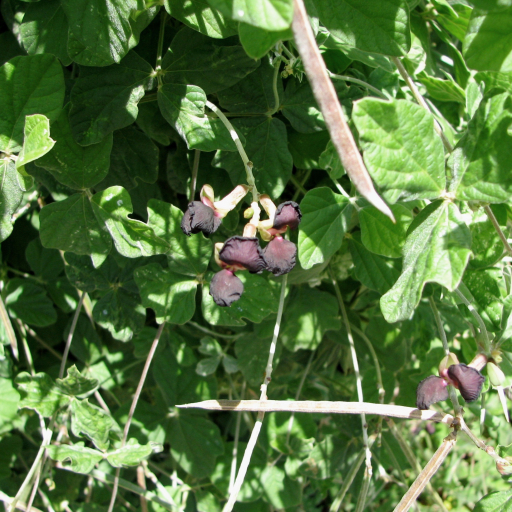
Meet the Siratro, a resilient and charismatic climber often known as the Purple Bush-bean. Originally hailing from the tropical regions of the Americas, this vine is famous for its "inky" flowers that appear so dark they almost look black under certain lighting. Whether it’s acting as a hardy groundcover or scrambling up a fence, it brings a touch of velvet mystery to any landscape.
🔍 How to Identify
- 💜 The Velvet Blooms: The flowers are the showstopper—deep maroon to dark purple, butterfly-shaped, and usually grow in pairs at the end of long stalks.
- 🍃 Lobed Leaflets: Its leaves come in sets of three (trifoliate). They are dark green, slightly hairy on the underside, and often feature a distinct "thumb" or lobe on the side leaflets.
- 🧪 Slender Pods: After flowering, it produces straight, narrow green pods that turn brown and papery as they ripen, eventually twisting to release seeds.
🏡 In Your Garden
- 🌱 The Soil Architect: As a member of the legume family, the Siratro is a "nitrogen-fixer." It works with soil bacteria to pull nitrogen from the air and put it back into the earth, acting as a natural fertilizer for neighboring plants.
- 🏃 A Vigorous Crawler: This plant loves to move! Because it has a deep taproot, it is incredibly drought-tolerant, but be careful—its vining nature means it can quickly overwhelm smaller, delicate plants if not given a trellis or regular pruning.
⚠️ Safety & Toxicity
- ✅ Low Risk: Macroptilium atropurpureum is generally considered non-toxic. In many parts of the world, it is actually used as high-quality forage for livestock like cattle and goats.
- 🐾 Pet Presence: While not listed as a primary toxic plant for cats or dogs, the high protein and fiber content in the leaves might cause mild stomach upset if an adventurous pet decides to graze on it excessively.
✨ Fun Fact
The Siratro is a master of "ballistic dispersal." When the seed pods dry out, they build up tension and suddenly "pop" open with a mechanical snap, flinging the seeds several feet away from the mother plant to ensure the next generation has plenty of space to grow!

Detailed Care Instructions
To grow Macroptilium Atropurpureum, also known as purple bush bean or siratro, follow these steps:
- Climate and soil: Macroptilium Atropurpureum thrives in warm climates with temperatures between 60-85°F (15-30°C). It prefers well-drained soil with a pH range of 6-7. It can tolerate a variety of soil types, including sandy or loamy soil.
- Planting seeds: Start by soaking the seeds in water for about 24 hours. This helps with germination. After soaking, sow the seeds directly into the garden bed or in pots.
- Soil preparation: Prepare the soil by removing any weeds, rocks, or debris. Loosen the soil to about 6-8 inches deep and mix in some compost or well-decomposed organic matter to improve fertility.
- Spacing: Space the seeds about 2-3 inches apart and plant them at a depth of approximately ¾ to 1 inch in the soil. If you plan to grow multiple rows, leave about 12-18 inches of space between the rows.
- Watering: Water the soil gently after planting to ensure the seeds are adequately moist. After germination, water the plants regularly to keep the soil evenly moist but not waterlogged. Avoid overwatering, as it can cause root rot.
- Sunlight: Macroptilium Atropurpureum requires full sun exposure for optimal growth. Make sure the plants receive at least 6-8 hours of direct sunlight each day.
- Fertilization: Apply a balanced, slow-release fertilizer with a nitrogen-phosphorus-potassium (NPK) ratio of 10-10-10 or similar. Follow the instructions on the fertilizer package for application rates.
- Weed control: Keep the growing area free from weeds, as they can compete for nutrients and space. Use a shallow cultivation tool or hand-pull weeds carefully to avoid damaging the plants' shallow root system.
- Staking: If the plants grow tall and bushy, provide support by staking them to prevent sprawling or bending.
- Harvesting: Purple bush bean plants typically take 80-100 days to reach maturity. Harvest the beans when they are young and tender, around 2-3 inches long. Regular harvesting promotes continuous production.
With proper care and the right growing conditions, Macroptilium Atropurpureum plants will thrive and provide you with beautiful foliage and an abundant harvest of nutritious purple bush beans.

Place in a bright room that is sun drenched almost all day. Or directly in a south-facing window.

To water this plant, it is recommended to first check the soil moisture level by sticking a finger about an inch into the soil. If the soil feels dry, it is time to water. When watering, do so thoroughly, making sure the water reaches the roots of the plant. Allow the top inch of soil to dry out before watering again. It is important not to over-water as this can lead to root rot. It is also important to avoid getting water on the foliage as this can promote fungal growth. Finally, make sure the plant has proper drainage to prevent water from accumulating in the soil.
To fertilize this plant, use a balanced fertilizer with equal parts of nitrogen, phosphorus, and potassium. Apply the fertilizer in early spring or late summer, following the manufacturer's instructions. Make sure to evenly distribute the fertilizer around the plant without allowing it to touch the stem. Water the plant well after fertilizing. Avoid over-fertilizing as it can cause damage to the plant.
Macroptilium Atropurpureum is a type of plant that favors well-drained soil with a pH range of 5.5-6.5. The ideal soil for this plant would be sandy loam with a good amount of organic matter. It prefers a soil that is rich in nutrients and has good moisture-holding capacity. The soil should be loose and aerated to allow adequate root growth and development. It is recommended to mix compost into the soil before planting to improve the soil structure and fertility. Additionally, proper drainage is important to prevent root rot or waterlogging. Overall, the soil should be able to retain water without becoming saturated, while still allowing for proper drainage.
To propagate this plant, select healthy mature plants with strong root systems. Take several stem cuttings from the plant, making sure they are about 4-6 inches long and contain at least two nodes. Remove the lower leaves from the cuttings, leaving only a few at the top for photosynthesis. You can also dip the cutting in rooting hormone to encourage the development of roots.
Next, prepare a potting mix that is well-draining and nutrient-rich. Plant the cuttings in the potting mix, making sure the nodes are buried in the soil. Water thoroughly and cover the pot with a plastic bag to create a humid environment. Place the pot in a warm location with bright, indirect light.
Check the cuttings regularly and mist them with water to keep them hydrated. Within a few weeks, roots should develop and new growth should be visible. Once the cuttings have established a strong root system and have grown significantly in size, they can be transplanted into their own separate pots or planted directly in the ground.








