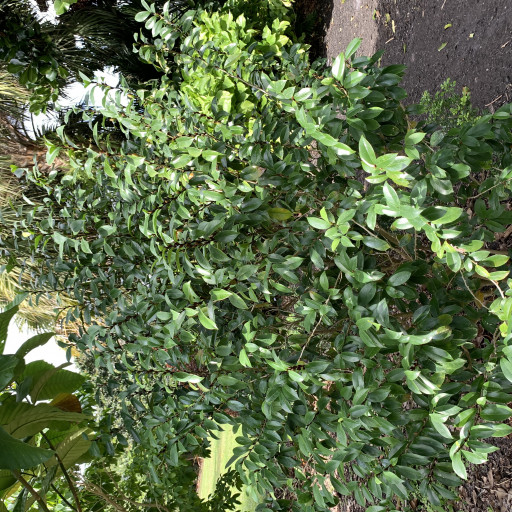
Plant Overview
Commonly known as the "Banana Shrub," this evergreen beauty is a sensory delight for any garden. While its flowers are much smaller than the giant blooms of its Magnolia grandiflora cousins, they pack a legendary punch with a heavy, sweet fragrance that smells exactly like ripening bananas or bubblegum. Originating from China, it has been a landscape favorite for centuries, prized for its tidy growth habit and nostalgic aroma.
🔍 How to Identify
- 🍌 The "Banana" Bloom: Small, waxy, cup-shaped flowers that are creamy-yellow with delicate purple or maroon-tinged edges.
- 🍃 Glossy Foliage: Deep green, leathery, oval leaves with a polished sheen that stay vibrant on the plant all year round.
- 🧶 Fuzzy Buds: Before they open, the flower buds are encased in a soft, brown, velvety "fur" (bracts) that protects the delicate petals inside.
🏡 In Your Garden
- 🪴 Slow and Steady: This is a slow-growing shrub, making it an excellent choice for low-maintenance hedges or large containers. Because it doesn't "race" to grow, it requires very little pruning compared to other hedge plants.
- 🧪 Acidic Preferences: Much like Camellias or Azaleas, the Banana Shrub thrives in slightly acidic, well-draining soil. If you notice the leaves turning a sickly yellow, it’s usually a hint that the soil pH is too high or the roots are sitting in stagnant water.
⚠️ Safety & Toxicity
- ✅ Non-Toxic: The Magnolia figo is generally considered safe and non-toxic for humans, cats, and dogs, making it a "worry-free" addition to family backyards.
- 👐 Sap Sensitivity: While not poisonous, the plant's sap can occasionally cause mild skin irritation for those with extreme sensitivities. It is always wise to wear gloves if you are doing heavy pruning.
✨ Fun Fact
The scent of the Banana Shrub is most potent during the heat of the late afternoon. In its native China, the blossoms were traditionally used to scent hair oils or tucked into sleeves and pockets to act as a natural, fruity perfume!

Detailed Care Instructions
| Humidity | Normal |
| Difficulty | Medium |
| Hibernation | Cold Period |
| Hardiness Zones | 8 - 10 |
Here are some tips on how to grow Magnolia figo plants:
- Choose the right location: Magnolia figo plants prefer a partially shaded spot with well-draining soil. Avoid planting them in areas with strong winds or excessive sun exposure.
- Planting process: Dig a hole that is twice as wide and deep as the plant's root ball. Place the plant in the hole, ensuring that the top of the root ball is level with the ground's surface. Fill the hole with soil and firm it gently around the plant.
- Watering: Provide adequate watering during the plant's first year to help establish its root system. Water deeply and regularly to keep the soil consistently moist but not waterlogged. After the first year, reduce watering to only during dry spells.
- Fertilizing: Apply a slow-release balanced fertilizer in the spring to promote healthy growth. Follow the product's instructions regarding dosage and application method.
- Mulching: Mulch around the base of the plant with organic materials like bark, wood chips, or compost. This helps retain moisture, suppress weed growth, and regulate soil temperature.
- Pruning: Prune the Magnolia figo plant in late winter or early spring before new growth emerges. Remove any dead, damaged, or diseased branches. Also, thin out crowded branches to improve airflow and overall shape.
- Protecting from frost: If planted in a region with frost, consider covering the plant with a frost cloth or straw during cold weather to protect it from freezing temperatures.
- Pests and diseases: Monitor your plant for any signs of pests or diseases like scale insects or sooty mold. If detected, treat it with appropriate insecticides or fungicides following the instructions on the product label.
Remember, growing Magnolia figo plants may vary depending on your specific climate and soil conditions, so it's always a good idea to research and consider local gardening recommendations as well.

Place in a window with dappled sun or a spot in the middle of a room. Or directly in a window facing west or east.

To water this plant, you should first check the moisture level of the soil by sticking your finger about an inch deep into it. If the soil feels dry, it's time to water. Use room temperature water and water around the base of the plant, avoiding the leaves and flowers. Allow the water to be absorbed into the soil before watering again. Overwatering can lead to root rot, so make sure not to saturate the soil. During cooler months, the plant may require less frequent watering.
For best results, fertilize this plant twice a year with a balanced, slow-release fertilizer. Apply in early spring before new growth begins and again in late summer. Use a fertilizer with equal amounts of nitrogen, phosphorus, and potassium. Follow the manufacturer's instructions for application rates based on the size of your plant. Water thoroughly after fertilizing to ensure nutrients are absorbed by the roots. Avoid fertilizing during dormancy or during periods of extreme heat or drought.
When planting the Magnolia Figo plant, it is important to choose a soil that is well-draining but retains some moisture. The ideal type of soil is a rich, loamy soil that is light and airy, with good water retention and nutrient availability. Avoid planting in heavy clay or sandy soils, as they may retain too much or too little water, respectively.
A pH level between 5.5 and 6.5 is best for Magnolia Figo plants, so you may need to add some organic matter or lime to the soil if your soil is acidic or alkaline. Mix in compost, aged manure, or other organic matter to improve soil structure and nutrient availability.
When planting, make sure the soil is loose and friable in the planting hole, as this will help the plant to develop a strong root system. Water the plant after planting to settle the soil around the roots.
Regular fertilization is important to ensure healthy growth and blooms, so consider applying a balanced fertilizer during the growing season. Mulching around the base of the plant can also help to retain moisture and keep the soil cool.
- Prepare the Cutting: Select a healthy stem from the Magnolia Figo plant that is about 4-6 inches in length. Make a clean cut at the base of the stem at a 45-degree angle using a sharp pruning shear.
- Remove the Leaves: Remove the leaves from the bottom half of the stem, leaving only 2-3 leaves on the top half. This will help the cutting conserve energy as it roots.
- Apply Hormone Powder: Apply rooting hormone powder to the cut end of the stem. This will encourage root growth and improve the chances of successful propagation.
- Plant the Cutting: Fill a small pot with moist potting soil and make a small hole in the center. Insert the stem into the hole and press the soil firmly around the base.
- Water the Cutting: Water the stem gently, being careful not to dislodge it from the soil. Moist soil will help the stem establish roots.
- Cover the Pot: Cover the pot with a clear plastic bag to create a humid environment. Place the pot in a warm, bright area but out of direct sunlight.
- Monitor the Cutting: Check on the cutting regularly, ensuring that the soil remains moist and the plastic bag is not obstructing any new growth. Once roots develop, you can remove the plastic cover and transplant the new plant into a larger container or outdoors.








