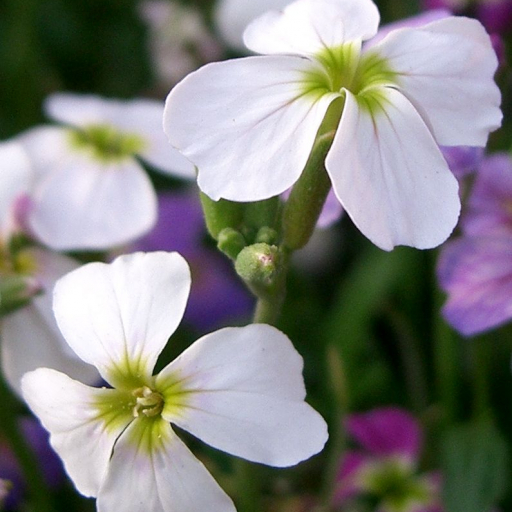
Plant Overview
Often called Virginia Stock, this charming little Mediterranean native is the secret weapon of the "lazy" gardener. Despite its name, it doesn’t hail from Virginia but from the rocky coasts of Greece and Albania. It is cherished for its ability to transform bare patches of soil into a fragrant, pastel-colored carpet in just a few short weeks.
🔍 How to Identify
- 🌸 The Cross-Petals: As a member of the mustard family, each flower features four delicate petals arranged in a distinct "cross" shape.
- 🎨 Multi-Colored Clusters: A single patch usually blooms in a harmonious mix of white, lilac, rose-pink, and deep purple, often all appearing on the same plant as flowers age.
- 🍃 Simple Foliage: The leaves are small, grayish-green, and oval-shaped with slightly wavy edges, providing a soft texture that sits low to the ground.
🏡 In Your Garden
- 🌱 Direct Sow Specialist: This plant hates having its roots disturbed. Instead of buying nursery starts, simply scatter the seeds directly onto the soil where you want them to grow.
- ⏳ Succession Planting: Virginia Stock is a "short and sweet" bloomer. To keep the floral display going all summer, sow a new pinch of seeds every two to three weeks to ensure a continuous wave of fresh blossoms.
⚠️ Safety & Toxicity
- 🐾 Pet Friendly: Virginia Stock is generally considered non-toxic to dogs, cats, and horses, making it a worry-free choice for high-traffic areas of the yard.
- 👶 Gentle Nature: The plant lacks thorns, prickles, or irritating saps, making it an excellent choice for children’s sensory gardens or low-border pathways.
✨ Fun Fact
Despite its delicate appearance, Virginia Stock is incredibly hardy and was one of the first "exotic" plants to become a staple in early American colonial gardens—which is likely how it earned its confusing "Virginia" nickname!

Detailed Care Instructions
To grow Malcolmia maritima, also known as Virginia stock or Virginia wallflower, you can follow these steps:
- Climate and Soil: Malcolmia maritima grows well in mild climates and can tolerate a wide range of soil types. However, it prefers well-draining, slightly alkaline soil.
- Sowing: Choose a suitable location for sowing the seeds. As a hardy annual plant, Malcolmia maritima is usually sown directly into the ground. Sow the seeds in early spring after the last frost date in your area.
- Soil Preparation: Prepare the soil by removing any weeds and rocks. Loosen the soil to a depth of about 6 inches and mix in organic matter, such as compost or well-rotted manure, to enhance the soil's fertility.
- Sowing the Seeds: Scatter the seeds evenly over the prepared soil surface. Do not bury them too deep, as they need light to germinate. Gently press the seeds into the soil or cover them lightly with a thin layer of soil.
- Watering: Water the seeds gently after sowing to ensure the soil is moist but not waterlogged. Keep the soil evenly moist throughout the germination period.
- Germination: Malcolmia maritima seeds usually germinate within 10-14 days. Maintain consistent moisture during this period to assist with germination.
- Thin Seedlings: Once the seedlings have developed their first true leaves and are around 2-3 inches tall, thin them out to a spacing of around 6-8 inches apart. This will allow the remaining plants enough space to grow and develop.
- Sunlight and Care: Malcolmia maritima thrives in full sun but can tolerate partial shade. Provide at least 6-8 hours of direct sunlight daily. Avoid over-watering, as it can lead to root rot. Regularly remove any weeds and gently mulch around the plants to help retain moisture and suppress weed growth.
- Fertilization: If the soil is poor in nutrients, you can apply a balanced, slow-release fertilizer or add organic compost during the growing season to provide the plants with necessary nutrients.
- Deadheading: To encourage continuous blooming, remove faded flowers by deadheading them. This will redirect the plant's energy back into producing more flowers.
- Pests and Diseases: Malcolmia maritima usually doesn't suffer from serious pest or disease problems. However, keep an eye out for aphids, slugs, and snails. Use organic pest control methods if necessary.
By following these steps, you can successfully grow Malcolmia maritima in your garden or containers, where it will reward you with its beautiful clusters of fragrant flowers.

Place in a bright room that is sun drenched almost all day. Or directly in a south-facing window.

To water this particular plant, a gardener should check the soil moisture level regularly. The top inch of soil should be allowed to dry out before watering. When it is time to water, slowly pour water onto the soil around the base of the plant. Avoid splashing water on the leaves as this can increase the risk of fungus growth. It is important not to overwater the plant as this can lead to root rot. During hot and dry weather, the plant may require more frequent watering. In cooler temperatures, the plant can go longer between waterings.
To fertilize this plant, apply a balanced, all-purpose fertilizer in early spring or when new growth appears. Use a slow-release fertilizer and apply according to the package instructions. Be careful not to over-fertilize, as this can lead to excessive growth and poor flowering. Water the plant after fertilizing to help distribute the nutrients throughout the soil. Repeat the fertilization process every 4-6 weeks during the growing season.
The best type of soil to use for this plant is a well-draining, nutrient-rich soil with a slightly acidic to neutral pH. The soil should be loose and airy, allowing oxygen to reach the roots easily. Additionally, the soil should retain moisture well but not be constantly wet, as too much moisture can lead to root rot. It is recommended to mix in some compost or organic matter when planting to provide additional nutrients for the plant. Avoid using heavy clay soils as they tend to hold onto excess water causing root rot.
First, select a healthy parent plant and cut off a stem that is around 4-6 inches long. Make sure to use sterilized pruning shears to prevent any infections from entering the plant.
Remove the leaves on the bottom two-thirds of the stem, leaving only a few leaves at the top. Dip the cut end of the stem into rooting hormone powder to encourage root growth.
Poke a small hole in damp soil, and place the stem of the plant in the hole. Make sure that the soil is moist but not waterlogged, and cover the stem with soil.
Place the newly planted stem in a warm area with bright, indirect sunlight. Keep the soil consistently moist and mist the plant frequently.
After about four to six weeks, the cutting should have developed roots. At this point, the plant can be transplanted into a larger pot or directly into the ground.
With proper care, the propagated plant should continue to grow and thrive, providing beautiful flowers for years to come.








