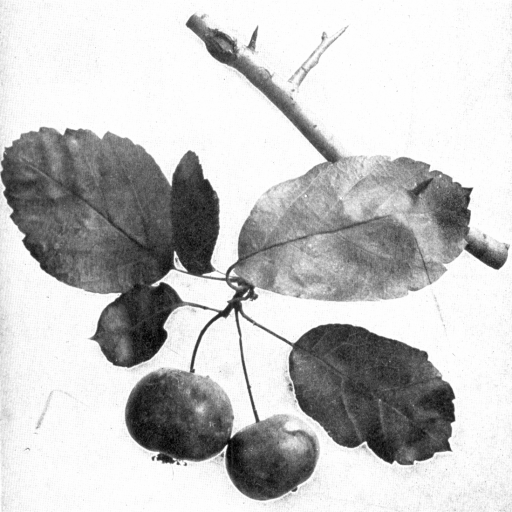
Plant Overview
Known as the Sweet Crabapple or the Garland Crabapple, this native North American beauty is famous for its intoxicating fragrance that fills the air in late spring. Often found growing wild along the edges of forests, it was a favorite among early settlers who used its tart fruit to create jellies and cider. While it may look like a common apple tree at first glance, its rugged, gnarled growth habit gives it a romantic, ancient character that thrives in naturalistic landscapes.
🔍 How to Identify
- 🌸 The Bloom: Clusters of five-petaled flowers that range from a delicate blush pink to a creamy white. Unlike many modern hybrids, these are exceptionally fragrant.
- 🍃 The Leaves: Ovate and serrated, often featuring shallow lobes that make them look slightly "oak-like" compared to the smooth edges of domestic apple leaves.
- 🍏 The Fruit: Produces small, waxy, yellow-green pomes (mini apples) about an inch in diameter. They remain firm and sour even when ripe, often hanging onto the tree into winter.
- 🌳 The Bark: Older trees develop reddish-brown bark that breaks into thin, narrow scales, adding great texture to a winter garden.
🏡 In Your Garden
- 🦋 Wildlife Magnet: This tree is a powerhouse for local ecosystems. It provides critical early-season nectar for honeybees and serves as a host plant for various moth larvae.
- 🍄 Disease Awareness: While hardy, the Sweet Crabapple is susceptible to Cedar-Apple Rust. If you have Junipers or Red Cedars nearby, you might notice orange spots on the leaves; planting it away from these "host" evergreens is the best strategy.
- ✂️ Pruning Needs: It has a naturally sprawling, somewhat thorny habit. Minimal pruning is required, but removing "suckers" at the base helps maintain a clean tree-like form rather than a dense thicket.
⚠️ Safety & Toxicity
- 🟢 Fruit Status: The fruit is non-toxic to humans and is often used to make high-pectin preserves. However, it is extremely tart and hard when raw, which can be a choking hazard for small children.
- 🐾 Pet Warning: Like all members of the Malus genus, the seeds contain cyanogenic glycosides (cyanide). While a few seeds won't hurt, large quantities can be toxic to dogs, cats, and horses.
- 🧤 Thorny Bits: Some wild specimens develop sharp, spur-like branches that can prick skin during pruning, so wear sturdy gloves.
✨ Fun Fact
The "Garland" in its nickname refers to the colonial tradition of weaving the fragrant, flowering branches into wreaths and garlands to scent the home before the days of modern air fresheners!

Detailed Care Instructions
Growing Malus coronaria, also known as the American crabapple, can be a rewarding experience. Follow these steps to successfully grow this plant:
- Select a suitable location: Malus coronaria prefers full sun to partial shade. Choose a spot with well-draining soil and sufficient space for the tree to grow.
- Prepare the soil: Ensure the soil is fertile and well-draining by adding organic matter such as compost or well-rotted manure. This will help improve the nutrient content and moisture-retention capacity of the soil.
- Planting: Dig a hole that is slightly larger and deeper than the root ball of the plant. Gently place the plant in the hole, ensuring that the top of the root ball is level with the soil surface. Backfill the hole with soil, firming it gently around the roots to eliminate air pockets.
- Watering: Water the plant thoroughly after planting and continue to provide regular, deep waterings during the first growing season. Once established, the tree can tolerate some drought but will benefit from occasional watering during prolonged dry periods.
- Mulching: Apply a layer of organic mulch, such as wood chips or bark, around the base of the tree. This will help conserve moisture, suppress weed growth, and regulate soil temperature.
- Pruning: Prune Malus coronaria in late winter or early spring while it is still dormant. Remove any dead, diseased, or crossing branches to maintain a healthy and well-shaped tree. Pruning can also help improve airflow and sunlight penetration, reducing the risk of diseases.
- Fertilizing: Malus coronaria generally does not require heavy fertilizer applications. However, you can apply a balanced organic fertilizer in early spring to provide some additional nutrients.
- Pest and disease control: Monitor your tree regularly for signs of pests, such as aphids or caterpillars, and diseases like apple scab or powdery mildew. Treat the issues promptly using appropriate organic pest control methods or seek advice from a local gardening expert.
- Enjoy the blossoms and fruit: Malus coronaria produces beautiful white or pink flowers in spring, followed by small apple-like fruit that attracts birds. Appreciate the seasonal beauty and wildlife it attracts.
Remember that Malus coronaria is a large tree that can reach a height of around 20-30 feet, so make sure you have enough space for it to grow. Be patient, as it may take a few years for the tree to reach its full potential and produce abundant fruit.

Place in a window with dappled sun or a spot in the middle of a room. Or directly in a window facing west or east.

To properly water the Malus Coronaria plant, first, you should check the soil moisture level regularly to avoid over or under-watering. This plant likes consistently moist but not waterlogged soil, so you should water it thoroughly when the soil feels dry to the touch about an inch deep.
When watering, pour water slowly and directly onto the soil around the base of the plant rather than watering from the top. Avoid getting the foliage wet as this can lead to fungal diseases.
Consider using a watering can or a low-pressure hose to avoid water pressure damage, which can harm the roots. Allow the water to drain away from the plant to prevent rot or fungal diseases.
During hot and dry weather, you may need to water more frequently. On the other hand, watering should be reduced during cooler and humid weather. Also, applying mulch around the plant can help retain moisture in the soil and reduce watering frequency.
In summary, consistency and regularity are essential when watering the Malus Coronaria plant. Keep soil moisture levels even, water directly at the base of the plant, and avoid getting foliage wet to prevent water damage or fungal diseases.
To fertilize this plant, apply a balanced fertilizer with equal amounts of nitrogen, phosphorus, and potassium in early spring before new growth appears and again in late summer. Use a slow-release granular fertilizer or dilute liquid fertilizer according to the package instructions. Spread the fertilizer evenly around the base of the plant, avoiding contact with the stems and leaves. Water thoroughly after fertilizing to help nutrients reach the roots.
The preferred type of soil for the Malus Coronaria plant should be well-drained and loamy. The soil pH should be slightly acidic, ideally between 6.0 and 6.5. It is recommended to avoid heavy clay soils as they can retain water and cause root rot. Adding organic matter such as compost or peat moss can improve soil quality and drainage. It is also important to ensure adequate watering and not to let the soil become completely dry or waterlogged.
To propagate this plant, you will need to collect some seeds in the fall after the fruit has ripened. Sow the seeds in the soil and keep them moist. They will need to be stratified, which means they need a period of cold temperatures, to germinate properly. You can achieve this by putting the seeds in a plastic bag with moist soil and leaving them in the refrigerator for a few weeks.
Alternatively, you can propagate the Malus Coronaria plant through cuttings. Take a 6-inch long cutting from a healthy stem and remove the leaves from the bottom half. Dip the cut end in rooting hormone and plant it in a container filled with a mixture of potting soil and sand. Keep the soil moist and in a warm, bright area, and within a few weeks, the cutting should grow roots.
Once the seedlings or cuttings have grown to an appropriate size, you can transplant them into larger pots or directly into the ground. Water the plants regularly and keep them in a location with full sun to encourage healthy growth. With patience and care, you can enjoy the beauty of this plant in your garden.








