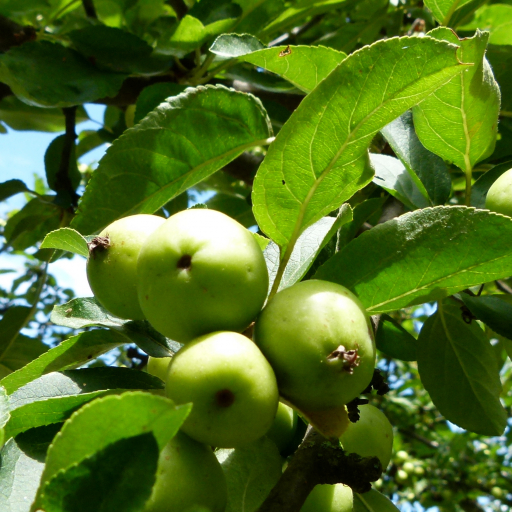
Plant Overview
Often called the Toringo Crabapple, this Japanese native is a master of seasonal disguise, frequently mistaken for other fruit trees until its unique, lobed leaves emerge. In late spring, it transforms into a dense cloud of delicate white and pink blossoms, making it a prized choice for bonsai enthusiasts and those with small, ornamental gardens. It carries an air of ancient Eastern elegance, providing year-round visual interest from its spring flowers to its winter berries.
🔍 How to Identify
- 🍃 The Leaves: Unlike most apple trees, Malus sieboldii features "dimorphic" leaves—some are simple ovals, while others on the same branch are deeply lobed, resembling a tiny maple or hawthorn leaf.
- 🌸 The Blossoms: The flower buds start as a deep, saturated pink but open into fragrant, five-petaled white flowers that cover the branches almost entirely.
- 🍒 The Fruit: It produces tiny, pea-sized pomes (miniature apples) that hang in clusters. They transition from green to a glossy red or golden yellow and often persist on the tree long after the leaves have fallen.
🏡 In Your Garden
- 🏙️ Urban Resilience: This species is remarkably tough; it handles urban pollution and varied soil pH levels better than many other ornamental trees, making it a "survivor" for city dwellers.
- 🌬️ Airflow is Key: While it is hardy, it has a very dense, twiggy growth habit. To keep it healthy and prevent fungal issues like powdery mildew, it’s best to prune the interior occasionally to let the "wind breathe" through the branches.
⚠️ Safety & Toxicity
- 🐾 Pet Warning: Like all members of the Malus genus, the seeds contain amygdalin, which can release cyanide if chewed. While the fruit itself is generally safe, it's best to keep pets from snacking on fallen fruit in large quantities.
- 👶 Kid Friendly: The fruit is technically edible but extremely tart and woody. It poses no skin-contact risk, but the small seeds should not be ingested by curious children.
✨ Fun Fact
This plant is named after Philipp Franz von Siebold, a 19th-century German physician who lived in Japan during a time when the country was closed to most foreigners. He is credited with introducing this and many other iconic Japanese plants to the Western world.

Detailed Care Instructions
To grow Malus sieboldii (Siebold's crabapple) successfully, follow these guidelines:
- Choose a suitable location: Malus sieboldii prefers full sun or partial shade, so choose a spot with at least 6 hours of direct sunlight each day. The soil should be well-draining and fertile.
- Planting: Plant the tree in spring or autumn, avoiding times of extreme heat or cold. Dig a hole twice as wide and deep as the tree's root ball. Place the tree in the hole, ensuring the top of the root ball is level with or slightly above the soil level. Backfill the hole with soil, gently firming it around the roots.
- Watering: Water the tree regularly, especially during the first year after planting. Keep the soil moist but not waterlogged. Water deeply once or twice a week, allowing the top few inches of soil to dry out between waterings.
- Mulching: Apply a layer of organic mulch, such as wood chips or compost, around the base of the tree to help retain moisture, suppress weed growth, and regulate soil temperature. Ensure the mulch is several inches away from the tree trunk to prevent rot.
- Pruning: Prune Malus sieboldii in late winter or early spring while the tree is still dormant. Remove any dead, damaged, or crossing branches, as well as any suckers emerging from the base. Pruning will help maintain the tree's shape and promote healthy growth.
- Fertilizing: Apply a balanced slow-release fertilizer in early spring to promote healthy growth. Follow the manufacturer's instructions for application rates and frequency.
- Pest and disease control: Monitor the tree regularly for signs of pests or diseases, such as aphids, caterpillars, or apple scab. Treat any issues promptly using organic or chemical pest control methods if needed.
- Propagation: Malus sieboldii can be propagated from hardwood cuttings taken in winter or by grafting onto rootstock. Consult a gardening guide or seek advice from a local nursery for specific propagation techniques.
Remember to consult local gardening resources or professionals for region-specific advice and guidelines.

Place in a bright room that is sun drenched almost all day. Or directly in a south-facing window.

The Malus Sieboldii plant requires regular and adequate watering to thrive. To water it, ensure that the soil is dry to the touch before you begin.
Fill a watering can with room temperature water and water the plant gently, directly onto the soil around its base. Avoid getting water on the leaves or flowers as this can cause damage. Water until the soil is evenly moist, but not waterlogged.
If the plant remains in a pot, ensure that it has drainage holes and that any excess water is able to escape. Do not allow the pot to sit in standing water as this can lead to root rot.
During the summer months, you may need to water the Malus Sieboldii plant more frequently as it will be utilizing more water due to increased evapotranspiration. In the winter, reduce watering frequency as the plant will be more dormant.
By monitoring your Malus Sieboldii plant and watering it appropriately, you can help it to grow vigorously and produce beautiful flowers and fruit.
To promote healthy growth and robust fruit production, fertilize this plant in the early spring and late summer with a balanced, slow-release fertilizer. Apply the fertilizer evenly around the base of the plant, taking care to avoid contact with the trunk. Water thoroughly after fertilizing to stimulate nutrient absorption. Avoid over-fertilization, as excess nutrients can lead to stunted growth and decreased fruit quality.
Malus Sieboldii is a deciduous tree that is commonly used for ornamental purposes in landscaping. When planting Malus Sieboldii, it is important to choose the appropriate soil type to ensure optimal growth.
Ideally, Malus Sieboldii prefers a well-draining soil that is slightly acidic with a pH range of 5.5 to 6.5. The ideal soil composition for this tree should have a high organic matter content, good water retention, and air circulation.
It is best to use a soil that is loamy in texture, providing a balance of sand, silt, and clay. The soil should also be rich in nutrients, such as nitrogen, phosphorus, and potassium, to support vigorous growth and flowering.
It is important to avoid planting Malus Sieboldii in heavy clay soils that can become waterlogged and prevent root growth. Similarly, soils that are too sandy can be too dry and prevent the tree from developing properly.
When planting Malus Sieboldii, it is recommended to amend the soil with compost or other organic matter to improve the soil structure and nutrient content. The tree should also be watered frequently during its first year of growth to help establish a strong root system.
Overall, selecting the right soil type is crucial for the successful cultivation of Malus Sieboldii, promoting healthy growth, and ensuring the tree reaches its full potential.
To propagate this plant, you will need to first collect cuttings from healthy and mature branches. These cuttings should be about 6 inches long and have a few nodes along the stem.
Prepare a well-draining potting mix and insert the cuttings into the soil, making sure that at least one node is below the surface. Water the soil thoroughly and place the pot in a bright and warm location, away from direct sunlight.
Regularly mist the cuttings to keep them moist and check for any signs of growth. After a few weeks, you should start to see new leaves and roots forming.
Once the cuttings have rooted and established, you can transplant them into individual pots or into your garden. Be sure to keep the young plants well-watered and protected from harsh weather conditions until they are fully established.








