Plant Overview
The Malus sylvestris, famously known as the European Crab Apple, is the rugged, wild ancestor of the sweet apples we eat today. Cloaked in folklore, it was once believed that "the spirit of the apple" resided in these ancient trees, and they were often left as the last standing tree in a cleared field to protect the land. Unlike its cultivated cousins, this tree is a survivor, thriving in hedgerows and forest edges across Europe.
🔍 How to Identify
- 🌸 Blossoms: In late spring, the tree is smothered in clusters of white to pale pink five-petaled flowers that provide a massive feast for bees.
- 🍃 Leaves & Twigs: The leaves are oval, bright green, and have finely toothed (serrated) edges. Unlike domestic apples, the true wild version often has "spurs" or sharp, thorn-like tips on its smaller branches.
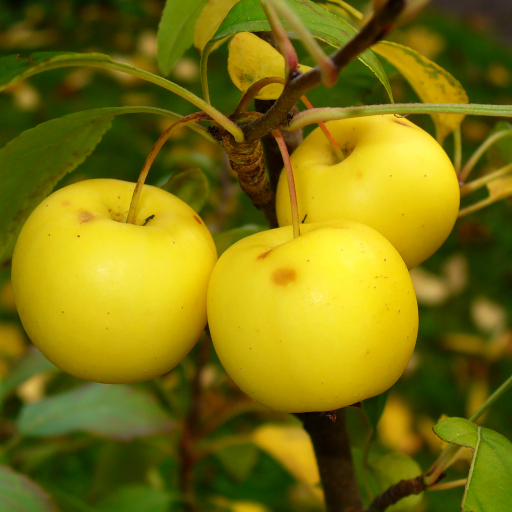
- 🍏 The Fruit: It produces small, spherical apples (roughly 1 inch in diameter) that are yellowish-green with a flush of red. They are notoriously firm and intensely sour.
🏡 In Your Garden
- 🐝 Pollination Powerhouse: Even if you don't plan to eat the sour fruit, having a Crab Apple nearby is a secret weapon for any home orchard. Its long flowering period makes it an elite pollinator for almost any other domestic apple variety in your yard.
- 🌳 Root Resilience: This tree is much hardier than garden-variety apples and can tolerate a wide range of soil types. However, it demands good drainage; it hates "wet feet," so avoid planting it in low-lying, boggy areas where water tends to sit after rain.
⚠️ Safety & Toxicity
- 🐾 Pet Safety: While the fruit flesh is generally safe, the seeds (pips) contain amygdalin, which can release cyanide if chewed in large quantities. Keep curious dogs from snacking on fallen, rotting cores.
- 👶 Human Use: The apples are technically edible but extremely tart. They are best used for making high-pectin jellies or ciders rather than eating raw, as the high acidity can cause a mild stomach ache if consumed in bulk.
✨ Fun Fact
The word Malus comes from the Latin for "evil," likely due to the biblical association with the Forbidden Fruit, but the word sylvestris simply means "of the woods." Despite the "evil" name, many ancient European cultures viewed this tree as a sacred symbol of marriage and fertility!

Detailed Care Instructions
| Humidity | Normal |
| Lighting | Part Sun |
| Toxicity | Poisonous |
| Difficulty | Medium |
| Hibernation | Cold Period |
| Hardiness Zones | 4 - 8 |
To grow Malus sylvestris, also known as the wild apple tree or European crabapple, you can follow these steps:
- Select a suitable location: Choose a spot with full sun exposure and well-draining soil. The soil should ideally be loamy or sandy.
- Obtain seeds or saplings: Malus sylvestris can be grown from seeds or saplings. If starting from seeds, collect them from mature fruits in the fall. You can also purchase saplings from a nursery.
- Prepare the soil: Before planting, ensure the soil is well-prepared. Remove any weeds or rocks, and loosen the soil so that the roots can easily penetrate. You can amend the soil with organic matter like compost to improve fertility.
- Planting seeds/saplings: If using seeds, sow them in a seed tray or a small pot filled with seed-starting mix. Keep the soil evenly moist until germination occurs. For saplings, dig a hole slightly larger than the root ball and place the sapling in the hole. Ensure that the planting depth is the same as it was in the nursery container.
- Watering: After planting, water the tree thoroughly to help settle the soil and ensure good root-to-soil contact. Regular watering is important, especially during the first year until the tree establishes itself.
- Pruning: Prune in late winter or early spring to remove any dead or damaged branches. This helps promote healthy growth and shape the tree.
- Fertilization: Malus sylvestris generally does not require heavy fertilization. However, you can apply a balanced, slow-release fertilizer in early spring to provide nutrients for healthy growth.
- Mulching: Apply a layer of organic mulch around the base of the tree, leaving a few inches of space from the trunk. This helps retain moisture, suppresses weed growth, and regulates soil temperature.
- Pest and disease control: Monitor the tree regularly for any pests like aphids, apple maggots, or diseases like apple scab. Use organic methods and insecticidal soaps, if needed, to control the pests.
- Harvesting: Malus sylvestris produces small, tart apples. The fruits usually ripen in late summer or fall. Harvest them when they are fully ripe but before they fall naturally from the tree. Enjoy the fruits fresh or use them for making preserves, cider, or other culinary purposes.

Place in a bright room that is sun drenched almost all day. Or directly in a south-facing window.

The best way to water this plant is to water it deeply and infrequently. This means allowing the soil to dry out a bit between waterings while making sure the roots are getting enough moisture. When you do water, make sure to saturate the soil deeply. It's important not to overwater the plant, as this can lead to root rot. Additionally, it's best to water at the base of the plant rather than from above, as this can help prevent foliage diseases. Finally, be sure to monitor the plant's moisture needs closely during periods of drought or hot weather, as it may require additional watering during these times.
To fertilize the Malus Sylvestris plant, apply a balanced, slow-release fertilizer in early spring before new growth appears. Use a fertilizer with an N-P-K ratio of 10-10-10 or similar. Apply the fertilizer at a rate of 1 pound per inch of trunk diameter, up to a maximum of 8 pounds per tree. Spread the fertilizer evenly over the soil surface around the tree and water in thoroughly. Avoid applying fertilizer close to the trunk as this can damage the roots. Repeat the application in early summer if necessary.
The best type of soil to use with this plant is a loamy soil that is well-drained and slightly acidic. The soil should have a pH range of 4.5 to 6.5. It should also be rich in organic matter and nutrients. Adding compost or well-rotted manure to the soil before planting can help to improve the soil's fertility and structure. It's important to avoid using heavy clay soils or poorly-drained soils, as they can cause root rot and other drainage-related issues. Additionally, regular watering will be required to ensure that the soil stays moist but not waterlogged.
To propagate this plant, collect mature seeds from the fruit of the parent plant in late summer or early autumn. After cleaning the seeds, soak them in water for several hours to aid in germination. Next, plant the seeds in pots or trays filled with a moist, well-draining soil mix. Cover the pots or trays with plastic wrap to create a greenhouse-like environment and place them in a warm, bright spot (but out of direct sunlight). Once the seedlings emerge, remove the plastic wrap and continue to water them regularly. Transplant the seedlings into individual containers once they have developed a few sets of leaves and are strong enough to survive on their own. Keep them in a protected area for the first few weeks after transplanting to help them acclimate to their new environment.
Common pests of the crab apple include Aphids. Make a habit of checking your crab apple frequently for pests so that any infestations can be caught and managed early.








