Plant Overview
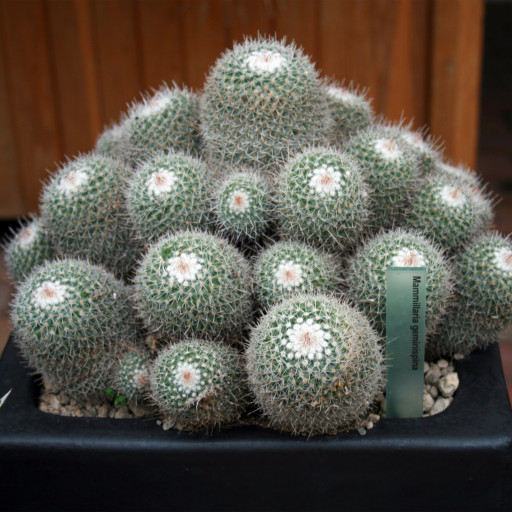
Hailing from the high-altitude deserts of Mexico, the Mammillaria geminispina is most commonly known as the Twin-spined Cactus. It is a visual masterpiece of the desert, appearing as a cluster of snowy-white globes that seem to be covered in a fine layer of frost. This cactus is a favorite among collectors because it transforms from a single "button" into a magnificent, sprawling colony of "pups" over several years.
🔍 How to Identify
- ⚪ The "Twin" Spines: Each cluster of spines features two prominent, longer central spines (hence the name) that point outward, usually white with dark brown or black tips.
- 🧶 Woolly Texture: The body of the cactus is often covered in white "wool" and bristles, especially between the tubercles, giving it a soft, cloudy look from a distance.
- 🌸 Crown of Flowers: In late spring and summer, it produces a charming "tiara" of small, carmine-red or deep pink flowers that emerge in a perfect circle around the top of the plant.
🏡 In Your Garden
- ☀️ Natural Parasol: Those dense white spines aren't just for show; they act as a built-in sunblock, reflecting intense UV rays. To keep its brilliant white color and tight shape, it needs as much bright, direct light as possible.
- 💧 The Rot Risk: Because the woolly texture can trap humidity against the plant's skin, it is vital to water only the soil. Avoid getting the "fuzz" wet, as trapped moisture is a recipe for fungal infections.
- 🏜️ Preference for Tight Spaces: Unlike many plants that crave room to grow, this cactus prefers to be slightly root-bound. It thrives in a snug, gritty mineral mix and hates being moved frequently.
⚠️ Safety & Toxicity
- 🌵 Physical Hazard: While this plant is non-toxic and safe if accidentally nibbled by a pet, the spines are the primary danger. They are incredibly sharp and rigid.
- 🩹 Handling Care: The spines can easily puncture skin or paws. Always use thick gardening gloves or a "tongs" method when repotting, and keep the plant on a high shelf away from curious toddlers or wagging tails.
✨ Fun Fact
The white woolly hairs of the Twin-spined Cactus serve a dual purpose: in the wild, they don't just block the sun, they also help the plant harvest moisture from morning mists, acting like tiny sponges that funnel droplets down to the root system!

Detailed Care Instructions
To grow Mammillaria Geminispina (also known as twin-spined nipple cactus), follow these steps:
- Soil: Use a well-draining cactus or succulent soil mix. A combination of potting soil, sand, and perlite works well.
- Pot: Choose a small pot with drainage holes. Mammillaria Geminispina prefers slightly crowded conditions, so avoid using a pot much larger than the plant's rootball.
- Planting: Gently remove the plant from its nursery pot and place it in the new pot. Add soil around the roots to secure it in place. Press the soil down lightly to provide stability.
- Watering: Allow the soil to dry out between waterings. Mammillaria Geminispina prefers a slightly drier environment, so be cautious not to overwater. Water thoroughly when you do water, ensuring the excess drains out through the drainage holes.
- Light: Place the plant in a bright location with indirect sunlight. Mammillaria Geminispina thrives in at least six hours of sunlight per day, but direct sunlight may cause sunburn.
- Temperature: Keep the plant in temperatures between 60-85°F (15-29°C). Protect it from extreme cold or hot conditions.
- Humidity: This cactus prefers low humidity. Avoid placing it in a high-humidity environment, such as a bathroom.
- Fertilizer: Feed the plant with a diluted, balanced cactus fertilizer during the growing season (spring and summer) according to the manufacturer's instructions. Reduce or stop fertilizing during the winter months when growth slows down.
- Repotting: As your Mammillaria Geminispina grows, you may need to repot it every 2-3 years. Choose a slightly larger pot each time.
- Maintenance: Avoid handling the cactus too much, as excessive touching can damage the delicate spines. Remove any dead or decaying parts to maintain the plant's health and appearance.
With proper care, your Mammillaria Geminispina plant should grow steadily and produce beautiful flowers when mature.

Place in a bright room that is sun drenched almost all day. Or directly in a south-facing window.

Mammillaria Geminispina plant should be watered carefully, as it is prone to overwatering. Before watering, check the soil's moisture level by inserting a finger about an inch deep into the soil. If the soil is dry, water the plant thoroughly, allowing the excess water to drain out of the pot's drainage holes. Avoid getting water on the plant's spines and in the rosette of the plant. Water the plant every two to three weeks during the growing season and reduce watering in winter months when the plant is dormant. It's important to always use room temperature water when watering a cactus plant. Letting the water sit overnight before use will allow any potentially harmful chemicals or minerals to dissipate.
To fertilize this plant, use a balanced fertilizer with equal parts nitrogen, phosphorus, and potassium. Dilute the fertilizer to half or quarter strength and apply it once every two weeks during the growing season. Avoid fertilizing during dormancy.
Mammillaria Geminispina plant requires well-draining soil that is slightly acidic in nature. The soil should be rich in organic matter and have good water holding capacity. A mix of sandy soil, perlite, and peat moss is ideal for the growth of the plant as it promotes healthy root development and allows for adequate air circulation. The soil should be allowed to dry out completely before watering to prevent overwatering and ensure that the roots do not become waterlogged. Additionally, the plant should be fertilized regularly with a balanced fertilizer during the growing season to provide essential nutrients for healthy growth.
Mammillaria Geminispina is a type of cactus that can be propagated through both offsets and seeds. To propagate through offsets, you should wait until the mother plant produces small, new succulents, otherwise known as offsets. Once the offsets are large enough, you can carefully remove them from the mother plant with a sharp knife or scissors. Then, allow the offsets to dry out for a few days before planting them in a well-draining soil mix. Be sure to keep the soil consistently moist until new roots and growth form.
To propagate through seeds, you should gather the seeds from a mature Mammillaria Geminispina plant, allow them to dry out properly, and then plant them in a well-draining soil in a pot or other container. Cover the seeds with a light layer of soil and keep them consistently moist until germination occurs. The young cactus plants will need plenty of bright, indirect sunlight and moderate watering until they are established.
Common pests of the twin-spined cactus include Scale insect, mealybugs, spider mites, thrips. Make a habit of checking your twin-spined cactus frequently for pests so that any infestations can be caught and managed early.








