Plant Overview
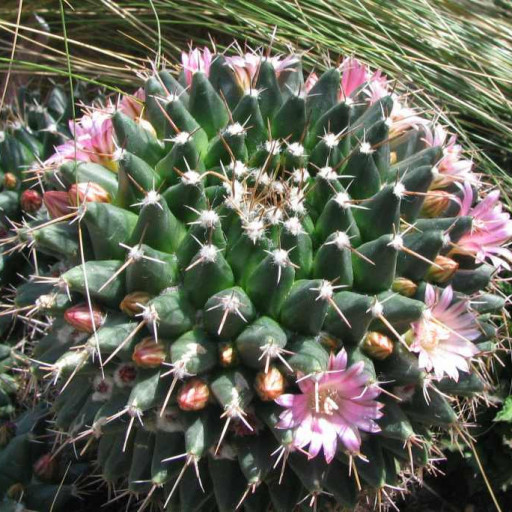
Hailing from the high-altitude volcanic slopes of Central Mexico, Mammillaria gigantea is a stout, resilient treasure of the cactus world. Despite its "giant" name, it won't tower over your house; rather, it is one of the more robust and heavy-bodied members of the "Pincushion" family. In its native habitat, it lives a rugged life tucked between rocks, looking like a dusty, armored jewel.
🔍 How to Identify
- 🌵 Body Shape: It begins its life as a solitary, flattened globe but can grow into a thick, heavy cylinder as it matures, often reaching the size of a large grapefruit or slightly bigger.
- 🧶 Woolly Crown: The "apex" or top of the plant is famously woolly. It produces a dense, white fluff between its bumps (tubercles) that helps protect new growth from the intense mountain sun.
- ⚔️ Spine Pattern: It features very strong, thick central spines that are usually a rich yellowish-brown or grey, surrounded by smaller, needle-like radial spines that form a star shape.
- 🌸 Circlet of Blooms: In late winter or spring, it produces a "crown" of small, delicate flowers. These are typically pale yellow or greenish-cream, followed by small, elongated red fruits.
🏡 In Your Garden
- ☀️ Light Intensity: This cactus is a sun-worshipper. It develops its most beautiful, thick spines and dense woolly center only when it receives several hours of direct, bright sunlight.
- 🪨 Mineral Substrate: In the wild, it grows in rocky, mineral-rich soil. In a pot, it hates "rich" potting soil. It requires a very gritty mix (lots of pumice or perlite) to ensure the roots never sit in trapped moisture.
- 💧 Winter Rest: This species follows a strict seasonal clock. It needs a completely dry "winter rest" period to prevent rot and to encourage the following year's flower production.
⚠️ Safety & Toxicity
- 📍 Mechanical Hazard: The primary danger is physical. The central spines are stiff and sharp; they can easily puncture skin or pet paws and are quite painful to remove.
- 🐾 Non-Toxic but Risky: While Mammillaria species are generally not considered chemically toxic to dogs, cats, or humans, the spines pose a significant choking and internal injury hazard if a pet tries to bite it. Keep it out of reach of curious noses.
✨ Fun Fact
The genus name Mammillaria comes from the Latin word mammilla, which means "nipple" or "teat." This refers to the characteristic bumps (tubercles) that cover the plant's body, which are used to store water and provide shade to the plant's skin!

Detailed Care Instructions
To grow Mammillaria Gigantea (also known as the Giant Nipple Cactus), you can follow these steps:
- Choose a suitable location: Mammillaria Gigantea prefers bright, indirect sunlight. Place it near a window that receives several hours of bright light each day. If necessary, you can also use a grow light to supplement the natural light.
- Prepare the pot and soil: Select a well-draining pot with drainage holes at the bottom. Use a cactus or succulent potting mix, or create your own by mixing regular potting soil with sand or perlite to improve drainage.
- Planting: Gently remove the plant from its current pot, being careful not to damage the roots. Place it in the new pot, ensuring that the soil level remains the same as it was in the previous pot. Fill the gaps around the roots with the prepared soil, gently pressing it down.
- Watering: Allow the soil to dry out between waterings. Water the plant deeply but infrequently, allowing excess water to drain out completely. Overwatering can lead to root rot, so ensure the pot has proper drainage.
- Temperature and humidity: Mammillaria Gigantea prefers temperatures between 60-75°F (15-24°C). It can withstand brief periods of cooler or warmer temperatures, but it's best to avoid extreme heat or cold. In terms of humidity, it prefers low to medium humidity levels.
- Fertilization: Feed the cactus with a balanced, diluted cactus fertilizer once a month during the growing season (spring and summer). Follow the instructions on the fertilizer package for application rates.
- Repotting: Every few years, when the plant outgrows its current pot, it may require repotting. Choose a slightly larger pot, transfer the cactus carefully, and follow the same planting process as mentioned above.
- Pests and diseases: Though Mammillaria Gigantea is generally resistant to pests and diseases, they can occasionally be attacked by common succulent pests such as mealybugs or spider mites. Inspect the plant regularly for any signs of pests and treat accordingly if detected.
Remember, proper care and patience are essential for the healthy growth of Mammillaria Gigantea. It is a slow-growing cactus, so don't expect rapid growth. Be mindful of overwatering and provide suitable lighting conditions to ensure its well-being.

Place in a window with dappled sun or a spot in the middle of a room. Or directly in a window facing west or east.
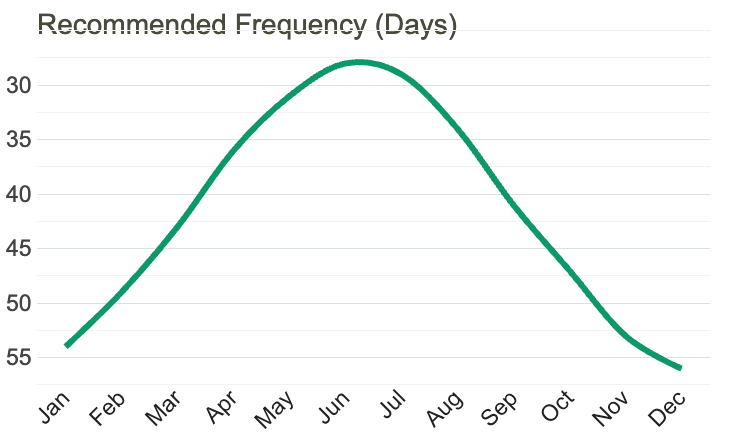
To water this particular plant, it is important to pay attention to the soil moisture level and the climate in which it is grown. The plant requires watering only when the soil is completely dry, and it should be avoided during periods of heavy rainfall. When watering, it is best to provide a thorough soak rather than just a light misting to ensure the water reaches the roots. In terms of frequency, watering once every two to three weeks is sufficient when the plant is in its active growing season. However, during dormant periods, watering should be reduced to once a month or less. It is important to use well-draining soil and a pot with drainage holes to prevent waterlogging and root rot. Additionally, care should be taken to avoid getting water on the plant's spines, as this can cause damage and rot.
To fertilize this cactus-like plant, use a balanced, water-soluble fertilizer at half strength during the growing season (typically spring and summer). Dilute the fertilizer with water and apply to the soil around the base of the plant, taking care not to get any on the spines or body of the plant. Avoid fertilizing during the dormant season (usually fall and winter), as the plant will not be actively growing.
The ideal soil for Mammillaria Gigantea plant should be well-draining and light, with a pH level between 5.5 to 7.5. The soil should be made up of a mixture of sandy loam, perlite, gravel, and coconut coir. It should contain a good amount of organic matter and nutrients for the plant's growth. The plant should not be over-watered or kept in extremely humid conditions, as this may lead to root rot or fungal diseases. It is recommended to fertilize the plant with a balanced fertilizer every month during the growing season. Overall, the soil should provide adequate drainage, aeration, and nutrients for the healthy growth and development of the Mammillaria Gigantea plant.
To propagate this succulent cactus plant, you can first prepare a well-draining soil mix with sand and gritty materials. Then, take a healthy stem cutting from the plant and let it callus over for a few days in a shaded area. After the callus has formed, plant the cutting in the soil mix and water sparingly. Keep the soil moist but not wet, and place the cutting in bright but indirect sunlight. The cutting should root and start to grow in a few weeks to a few months, depending on conditions.
Common pests of the mammillaria gigantea include Scale insect, mealybugs, spider mites, thrips. Make a habit of checking your mammillaria gigantea frequently for pests so that any infestations can be caught and managed early.








