Plant Overview
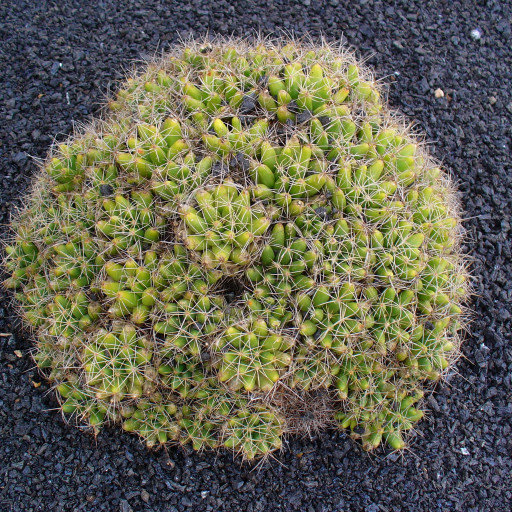
Often called the Finger Cactus or the Nipple Cactus, this quirky succulent is a standout member of the Mammillaria family. Unlike its perfectly round relatives, it features elongated, soft green projections that give it a "shaggy" or starburst appearance. Originally from the high deserts of Mexico, it has become a favorite for collectors who want a cactus that looks more like a strange sea creature than a desert dweller.
🔍 How to Identify
- 🌵 The Tubercles: The most striking feature is the "fingers" (tubercles) which can grow up to 2 inches long. They are soft, succulent, and bright green.
- 🌼 Golden Blooms: It produces surprisingly large, funnel-shaped yellow flowers that emerge from the base of the tubercles, often smelling faintly of citrus.
- 🕷️ Spine Clusters: At the tip of each "finger," you’ll find a small cluster of radiating white or yellow spines that look like tiny, harmless spiders.
🏡 In Your Garden
- 💧 The Taproot Trap: This plant develops a very thick, carrot-like taproot underground. Because this root stores so much water, the plant is incredibly sensitive to "wet feet." Always use a pot with large drainage holes and a gritty, sandy soil mix.
- ☀️ Sun-Kissed Growth: To keep those iconic fingers from stretching out and becoming weak (etiolation), it needs very bright, direct light. In lower light, it loses its compact, sculptural shape and may fail to bloom.
- 🧘 Slow & Steady: It is a clumping species, meaning it will eventually sprout "pups" around the base to form a low-growing mound. Patience is key, as it takes several years to reach its full, bushy potential.
⚠️ Safety & Toxicity
- 🟢 Non-Toxic: Good news for pet owners—the Mammillaria longimamma is generally considered non-toxic to cats, dogs, and humans.
- 📍 Mechanical Injury: While not "dangerous," the spines are sharp and can easily hitch a ride on clothing or skin. The hooks on the spines can be difficult to pull out of fur, so keep it on a high shelf away from curious wagging tails.
✨ Fun Fact
The Latin name longimamma literally translates to "long breasts," referring to the unusually long tubercles. In the wild, these elongated fingers help the plant dissipate heat and provide a bit of shade for the main body of the cactus!

Detailed Care Instructions
To grow a Mammillaria Longimamma plant successfully, follow these steps:
- Planting: Select a well-draining pot with at least one drainage hole. Fill it with cactus potting mix, or a mixture of sandy soil, perlite, and peat moss.
- Watering: Mammillaria Longimamma is a drought-tolerant plant. Water it sparingly, only when the soil is completely dry. Overwatering can cause rot. During winter, reduce watering frequency.
- Light: Place the plant in a location where it can receive bright indirect sunlight. Mammillaria Longimamma prefers a few hours of direct sunlight each day, but avoid intense midday sun to prevent sunburn.
- Temperature: Ideally, maintain a temperature range of 65-80°F (18-27°C). Protect the plant from frost or extreme temperatures, as they can damage the plant.
- Fertilizer: Feed the plant with a balanced cactus fertilizer diluted to half strength during the growing season (spring and summer). Avoid fertilizing during the winter when the plant is dormant.
- Pruning: Trim any dead or damaged parts of the plant using sterilized pruning shears. This encourages new growth.
- Repotting: Mammillaria Longimamma requires repotting every few years. As the plant grows, move it to a slightly larger pot to allow for root expansion. Repotting is best done in spring.
- Pests and diseases: Watch for common cactus pests like mealybugs and scale insects. If detected, treat them with insecticidal soap or wipe them off using a cotton swab dipped in alcohol.
- Propagation: Mammillaria plants can be propagated through offsets or seeds. To propagate through offsets, carefully remove the smaller "pups" produced by the main plant and replant them in a separate pot. For seed propagation, sow the seeds in well-draining soil and keep them warm and moist until they germinate.
With proper care, your Mammillaria Longimamma plant should thrive and grow beautifully.

Place in a bright room that is sun drenched almost all day. Or directly in a south-facing window.

To water this particular species of plant, it is recommended to wait until the soil is completely dry before watering it again. When watering, it is important to not get any water on the leaves or body of the plant, as this can cause damage or infections. It is recommended to pour water directly onto the soil, slowly and evenly, until the soil is moist but not soggy. Overwatering can lead to root rot, so it is important to err on the side of caution and not water too frequently. Additionally, it is best to water in the morning or early afternoon, as watering at night can leave the soil damp for too long and increase the risk of fungal growth.
To fertilize this cactus species, use a well-balanced cactus fertilizer mix during the growing season (spring and summer). Apply the fertilizer solution once a month, following the instructions on the label, taking care not to over-fertilize the plant, as it can cause damage. In the fall and winter, reduce the frequency of fertilizer applications or stop them altogether, as the plant enters its dormant phase. Always make sure the soil is dry before applying any fertilizer, and be cautious not to get any on the plant's spines or flesh, as it can cause burns.
Mammillaria Longimamma plant grows well in a well-draining soil mixture that is slightly acidic and has good drainage. A mixture of sandy loam and perlite or coarse sand can be used to improve drainage. Adding organic matter such as peat moss or compost can help improve soil fertility and moisture retention. The soil should be allowed to dry out between watering to prevent root rot. Avoid using heavy soils or those that retain too much moisture. It is important to regularly repot the plant in fresh soil to ensure healthy growth.
To propagate this particular plant, you will need to first identify a healthy and mature stem. Use a sharp and clean pair of scissors or pruning shears to cut a segment of this stem. After cutting, allow the wound to dry and heal for a few days.
Prepare a pot with well-draining soil that is evenly moist, but not soaking wet. You may also add sand or perlite to improve the drainage of the soil.
Once the wound has dried, plant the stem segment in the soil, making sure it is planted upright and not tilted. The soil should cover a small portion of the stem, but not completely bury it. Gently tap the soil around the stem to remove any air pockets.
Place the pot in a bright spot, but out of direct sunlight. Keep the soil moist, but not soggy, and mist the plant occasionally. Avoid watering too much or too frequently, as it can cause the stem to rot.
Within a few weeks to a couple of months, new roots should start to form from the segment, indicating that it has successfully taken root. Once the new plant has grown large enough, you may transplant it to a bigger pot or its permanent location.
Remember to handle the plant with care, and wear gloves if necessary, as some species of Mammillaria can have sharp spines that can cause injury.
Common pests of the pineapple cactus include Scale insect, mealybugs, spider mites, thrips. Make a habit of checking your pineapple cactus frequently for pests so that any infestations can be caught and managed early.








