Plant Overview
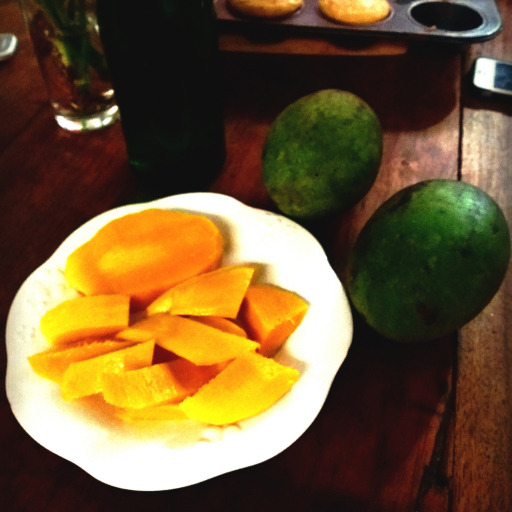
Known as the "Binjai" or "White Mango," this towering giant of the Southeast Asian rainforest is a wilder, more aromatic cousin of the common mango. Unlike its golden relatives, the Binjai is prized for its pale, pungent fruit and its majestic presence in the landscape of Borneo and Sumatra. It is a tree of deep cultural heritage, often marking old village sites or hidden forest clearings where its heavy scent fills the air during harvest season.
🔍 How to Identify
- 🍃 The Foliage: The leaves are long, elliptical, and remarkably stiff. They have a distinct glossy sheen and tend to grow in crowded, attractive spirals at the very tips of the branches.
- 🍐 The Fruit: Unlike a typical mango, the Binjai looks somewhat like a large, smooth potato. It has thin, pale brown or yellowish skin and a milky-white, translucent flesh that is incredibly juicy and fibrous.
- 🌸 The Blooms: The tree produces spectacular clusters of pale lilac or purple flowers. These blossoms are much more colorful and showy than the tiny yellowish flowers found on common mango trees.
🏡 In Your Garden
- 🌳 Space Requirements: This is not a plant for a small backyard or a patio pot. The Binjai is a true forest giant that can reach heights of 30 meters. It develops a massive taproot early in life, meaning it hates being moved and requires deep, unobstructed soil to thrive.
- 💧 Water & Soil: While most mangoes prefer well-drained slopes, the Binjai is a lover of the lowlands. it thrives in swampy areas or near riverbanks, showing a much higher tolerance for "wet feet" and high humidity than its commercial cousins.
⚠️ Safety & Toxicity
- 🧪 Sap Sensitivity: Caution. Like many members of the sumac family, the Binjai produces a milky sap containing urushiol. Contact with the sap can cause "mango dermatitis"—a painful, itchy rash similar to poison ivy.
- 🐾 Pet & Child Safety: The unripe fruit and the skin contain high concentrations of irritants. It is best to keep pets away from fallen fruit, as the caustic sap can irritate their mouths and paws.
✨ Fun Fact
In Bali, a specific sweet variety of this tree is called "Wani." It is so highly esteemed for its creamy, marshmallow-like texture that it is frequently featured in sacred offerings and served as a gourmet delicacy in high-end traditional Balinese cuisine.

Detailed Care Instructions
Mangifera Caesia, commonly known as the Binjai or Wani fruit tree, is native to Southeast Asia and is grown for its delicious fruit. Here are some tips on how to grow Mangifera Caesia plant:
- Climate: Mangifera Caesia thrives in tropical and subtropical climates with temperatures between 25-35°C (77-95°F). It requires full sunlight and high humidity to grow well.
- Soil: The plant prefers well-draining soil that is rich in organic matter. The pH level of the soil should be between 5.5 to 7.5 for optimal growth.
- Planting: Plant the Mangifera Caesia tree in a location with plenty of space for its roots to grow. Dig a hole twice the size of the root ball and backfill with soil. Water the plant immediately after planting and continue to water regularly.
- Watering: Keep the soil consistently moist, but not waterlogged. Water the plant deeply once a week during the growing season and reduce watering in the winter months.
- Fertilization: Apply a balanced fertilizer during the growing season to promote healthy growth and fruit production. Avoid over-fertilizing, as this can result in leaf burn and reduced fruit yield.
- Pruning: Prune the tree regularly to remove dead or diseased branches and promote air circulation. This will help prevent pest and disease infestations.
- Pest and disease control: Keep an eye out for common pests such as mealybugs, aphids, and fruit flies. Use organic pesticides or insecticidal soap to control these pests. Ensure good air circulation around the plant to prevent fungal diseases.
- Harvesting: Mangifera Caesia fruits are usually ready for harvest 3-4 months after flowering. The fruits should be picked when fully ripe for the best flavor.
By following these tips, you can successfully grow and enjoy the delicious fruits of the Mangifera Caesia plant.
Mangifera Caesia plant is a tropical fruit tree that requires adequate water to grow and thrive. When watering this plant, it is essential to keep the soil consistently moist but not waterlogged. Overwatering can lead to root rot, which can kill the plant.
To water the Mangifera Caesia plant, you should first check the moisture level of the soil. Insert your finger 1-2 inches into the soil. If the soil feels dry, it is time to water the plant.
When watering, use a watering can or hose with a gentle spray nozzle to avoid damaging the plant. Water the base of the plant slowly and deeply, allowing the water to soak in. Ensure that the water reaches all the roots, but avoid watering the foliage as it can promote disease.
During the summer months, the Mangifera Caesia plant may require more water due to the hot and dry weather conditions. Therefore, you should monitor the soil moisture level more frequently and water the plant accordingly. Additionally, you should avoid allowing the soil to dry out completely, as this can stress the plant and affect fruit production.
Overall, to ensure the healthy growth and production of your Mangifera Caesia plant, you should water it regularly, but do not overwater or underwater the plant.
To fertilize the Mangifera Caesia plant, apply a balanced fertilizer with a ratio of approximately 10-10-10. Feed the plant every 3 months during the growing season, starting in early spring and ending in late summer. Make sure to water the plant thoroughly after fertilizing to help the nutrients penetrate the soil and reach the roots. Avoid over-fertilizing, as this can damage the plant's roots and hinder growth.
It is recommended to use soil that is well-draining and has good water retention capacity. The soil should have a balanced pH level and should be rich in organic matter. Avoid using soil that is too heavy or clayey, as it may cause waterlogging and stunt the plant's growth. Additionally, the soil should have good aeration and should not be compacted. The use of a soil mixture comprising peat moss, sand, and perlite may enhance the soil's drainage.
Mangifera Caesia can be propagated through seed germination or through vegetative propagation methods such as grafting or air layering.
To propagate Mangifera Caesia through seed germination, collect fresh seeds from ripe fruits and clean off any pulp or residue. Soak the seeds in water for 24 hours to soften the outer seed coat. Plant the seeds in a well-draining potting mix, burying them about an inch deep. Keep the soil consistently moist and provide warmth and indirect sunlight. Germination can take anywhere from 2-6 weeks.
Alternatively, Mangifera Caesia can be propagated through vegetative methods such as grafting or air layering. Grafting involves joining a piece of the desired cultivar onto a compatible rootstock. Air layering involves making a small incision in a branch, packing it with rooting hormone and wrapping it in damp sphagnum moss and plastic wrap until roots form.
Whichever method you choose, make sure to provide the newly propagated plants with the proper care and attention to ensure their successful growth and development.








