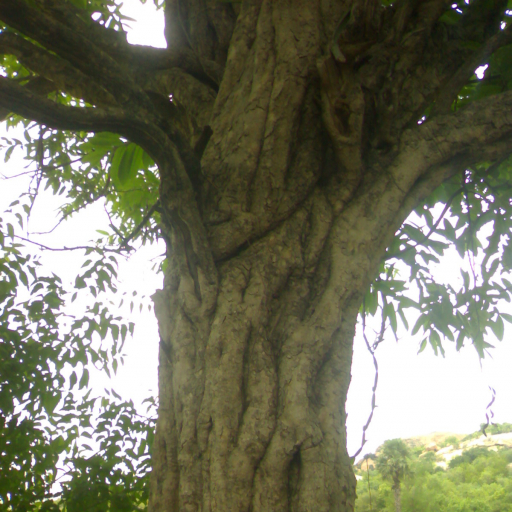
Plant Overview
Known as the Khirni or Rayan, this evergreen marvel is the backbone of many tropical orchards. Often called the "Ironwood" of the forest due to its incredibly dense timber, it has been cherished for centuries in South Asia for its sweet, honey-like fruits and medicinal bark. It is a slow-growing giant that symbolizes resilience and longevity.
🔍 How to Identify
- 🍃 Leaf Structure: The leaves are thick, leathery, and "obovate" (shaped like a spoon), usually featuring a tiny notch at the blunt tip. They grow in dense, attractive clusters at the ends of the twigs.
- 🌼 Flowers: You’ll spot tiny, pale-yellow blossoms tucked into the leaf axils. While they aren't showy, they emit a subtle, sweet fragrance during the night.
- 🍒 Fruit: The tree produces small, olive-shaped berries. They start green and waxy, turning a bright, golden yellow when they are ready to be harvested.
🏡 In Your Garden
- 🌳 Patience is a Virtue: This tree is famously slow-growing. It spends its early years building a deep, resilient taproot system before gaining significant height, making it a "legacy tree" that can live for over a century.
- 🪵 The Hardy Rootstock: In the world of horticulture, this plant is a hero. It is the most popular rootstock for grafting Sapota (Chikoo) trees, providing them with the strength to survive poor soil and fluctuating water levels.
- ☀️ Sun Seeker: To produce its signature sweet fruit, the Khirni requires full, direct sunlight. It is exceptionally drought-tolerant once established and prefers well-drained, sandy-loam soils.
⚠️ Safety & Toxicity
- ✅ Safe & Edible: The ripe fruits are perfectly safe and highly nutritious for humans, often enjoyed fresh or dried like raisins.
- 🥛 Sticky Latex: The tree produces a milky white sap (latex) when a leaf or branch is broken. While not considered "poisonous," this sap is extremely sticky and can cause mild skin irritation or be difficult to remove from pet fur.
- 🐾 Pet Note: While the fruit is generally safe, the large seeds inside should be kept away from small pets to avoid choking hazards.
✨ Fun Fact
The wood of the Manilkara Hexandra is so incredibly dense and heavy that it actually sinks in water. Historically, this "Ironwood" was so tough that it was used to manufacture heavy-duty rollers for sugar mills and durable railway sleepers.

Detailed Care Instructions
To grow a Manilkara Hexandra plant, also known as Ceylon Ironwood, you can follow these steps:
- Choose a suitable location: Ceylon Ironwood prefers a warm and sunny location. Ensure that the plant will receive plenty of direct sunlight.
- Prepare the soil: Ceylon Ironwood thrives in well-draining, fertile soil. Prepare the soil by adding organic matter, such as compost, to improve its fertility and drainage.
- Propagation: Manilkara Hexandra can be grown from seeds. Collect seeds from a mature plant and soak them in water for a day before sowing. Sow the seeds in pots or directly in the prepared soil.
- Planting: If starting the seeds in pots, sow them at a depth of about twice their size. If planting directly in the ground, sow them at a depth of approximately one inch. Space the seeds about 6-12 feet apart, as the tree can grow quite large.
- Watering: Water the seeds or young plants regularly to keep the soil moist but not waterlogged. Once established, the tree is quite drought-tolerant but still needs regular watering during dry periods.
- Pruning: Prune the young tree to promote a strong central leader and remove any dead or damaged branches. However, Ceylon Ironwood generally requires minimal pruning.
- Fertilization: Apply a balanced, slow-release fertilizer during the growing season to provide necessary nutrients to the tree. Follow the manufacturer's instructions for application rates.
- Mulching: Apply a layer of organic mulch around the base of the tree, leaving a small space around the trunk to prevent moisture retention. Mulching will help retain soil moisture, suppress weed growth, and provide some nutrient benefits.
- Protection from Frost: If the temperatures in your area drop below freezing, protect young plants from frost by covering them with a frost cloth or other suitable material.
- Patience: Ceylon Ironwood is a slow-growing tree, so be patient. It may take several years for the tree to reach a significant size.
Remember to check local regulations regarding planting and growing trees, especially if you are in an urban environment or protected natural areas.
To water the Manilkara Hexandra plant, you need to follow certain guidelines to ensure its proper hydration. Firstly, carefully observe the moisture level of the soil. Avoid overwatering as it can lead to waterlogging and root rot. Instead, opt for a moderate watering approach.
To begin, examine the topsoil using your finger or a moisture meter. Ideally, the soil should be slightly damp, but not soggy. If it feels dry to the touch, it's time to water your plant.
To water the Manilkara Hexandra, use room temperature water. It is crucial to avoid extremes in water temperature as it can shock the roots of the plant. Pour the water evenly on the soil surface, allowing it to slowly seep through the roots. Ensure that water reaches all areas of the root system.
It is essential to give the plant a deep watering session rather than frequent light watering. Deep watering promotes healthy root development as the roots grow deeper in search of moisture.
Additionally, you can consider providing a water tray underneath the plant. This allows for indirect hydration through bottom watering. Fill the tray with water and let the plant absorb moisture through the drainage holes present in the pot. However, make sure not to let the plant sit in stagnant water to avoid root rot.
Observe the plant carefully after watering. If any excess water accumulates in the pot or tray, remove it to prevent waterlogging.
Monitoring the humidity levels in the surrounding environment is also necessary. If the air is too dry, you can increase humidity by misting the leaves with water or placing a water-filled tray near the plant. This helps to maintain an appropriate moisture level and prevent the plant from drying out.
As every plant's water requirements can slightly vary, it is recommended to adapt these guidelines to the specific needs of your Manilkara Hexandra plant. Regularly inspecting the soil moisture, adjusting the watering schedule based on the plant's response, and providing the appropriate humidity levels will help your Manilkara Hexandra plant thrive.
To effectively fertilize the Manilkara Hexandra plant, follow these guidelines:
- Choose a balanced slow-release fertilizer with equal ratios of nitrogen (N), phosphorus (P), and potassium (K). This will ensure overall plant health and promote robust growth.
- Apply the fertilizer during the plant's active growing season, typically in spring or early summer. Avoid fertilizing during the dormant period.
- Dilute the fertilizer according to the manufacturer's instructions. This often involves mixing a specific amount of fertilizer with water.
- Carefully pour the diluted fertilizer around the base of the Manilkara Hexandra plant, ensuring that it does not come into direct contact with the foliage. This will prevent any potential damage to the leaves or buds.
- After applying the fertilizer, lightly water the plant to help it absorb the nutrients and distribute them evenly throughout the root system.
- Monitor the plant's response to the fertilizer. If you notice any signs of over-fertilization, such as wilting or yellowing leaves, or if the plant shows no improvement, reduce the frequency or strength of future applications.
- Maintain a consistent fertilizing schedule, usually once or twice a year, to provide a steady supply of nutrients to your Manilkara Hexandra plant.
Remember that it's always best to follow the specific instructions provided by the fertilizer manufacturer and to take into consideration the individual needs of your plant.
Manilkara hexandra is a tropical plant that requires a well-draining soil mixture with good aeration. It prefers soil that is slightly acidic with a pH range of 5.5 to 6.5. A suitable soil mixture for this plant should contain a combination of organic matter such as peat moss, coconut coir or compost mixed with sand, perlite or vermiculite to improve drainage and aeration. The soil mixture should not be too rich in nutrients as it can lead to excessive foliage growth at the expense of flower development. It is important to avoid using heavy soils or soil that retains moisture for too long as this can cause root rot. Additionally, the soil should be kept consistently moist but not waterlogged. It is recommended to fertilize the plant sparingly with a balanced fertilizer during the growing season to promote healthy growth.
Manilkara hexandra is a tropical tree that can be propagated through various methods. Here is a detailed guide on how to propagate this plant:
- Select a healthy parent plant: Choose a mature and healthy Manilkara hexandra plant from which you can take cuttings. Ensure that the parent plant is free from diseases or pests.
- Choose the cutting type: Manilkara hexandra can be propagated through stem cuttings or seedlings. Both methods have their pros and cons. Stem cuttings tend to provide more reliable and faster results, while seedlings require several months to develop.
- Prepare the cutting: If you choose to propagate through stem cuttings, select a woody stem from the parent plant that is about 6-8 inches long and free from any flowers or buds. Make a clean cut just below a set of leaves using a sterilized and sharp knife or pruning shears.
- Remove lower leaves and buds: Using the same sterilized tool, remove the lower leaves and buds from the cutting, leaving only a few leaves at the top. This will help prevent excess moisture loss during the rooting process.
- Treat the cutting (optional): You can dip the cut end of the stem cutting in a rooting hormone powder or liquid to enhance root development. This step is not mandatory, but it can increase the chances of successful propagation.
- Prepare the rooting medium: Fill a small pot with a well-draining rooting medium, such as a mix of perlite, vermiculite, and peat moss. Moisten the rooting medium slightly to make it slightly damp but not waterlogged.
- Plant the cutting: Make a small hole in the rooting medium using your finger or a pencil. Insert the cut end of the stem cutting into the hole, ensuring that at least two nodes (areas where the leaves were attached) are submerged in the rooting medium.
- Provide the right environment: Place the potted cutting in a warm and humid environment with bright, indirect light. Ideally, maintain a temperature between 75-85°F (24-29°C) and use a humidity dome or cover the pot with a plastic bag to create a greenhouse-like environment.
- Water and mist regularly: Keep the rooting medium slightly moist during the rooting process. Water the cutting from the base whenever the top inch of the medium feels dry. Additionally, mist the cutting with water regularly to maintain the desired humidity level.
- Be patient: It usually takes several weeks for the cutting to develop roots. Avoid disturbing the cutting during this time as it could affect the rooting process. You can gently tug on the cutting after a few weeks to check for resistance, indicating root development.
- Transplanting: Once the cutting has developed roots, usually after 6-8 weeks, it is ready to be transplanted into a larger pot or directly into the garden. Handle the newly rooted plant carefully to avoid damaging the delicate roots.
By following these steps, you can successfully propagate Manilkara hexandra and grow new plants for your garden or sharing with others.








