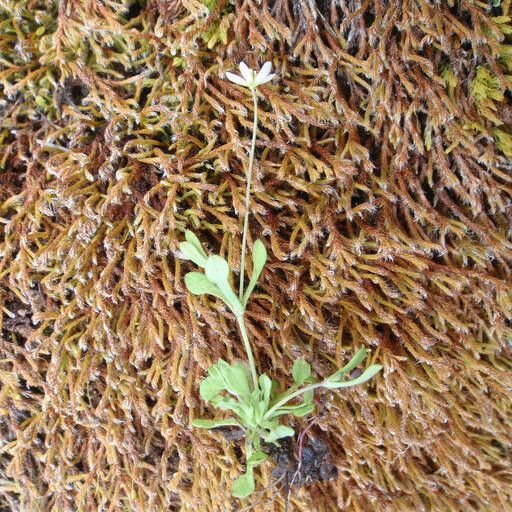
Plant Overview
Often called the White Meconella, this delicate gem is one of the rarest treasures of the Pacific Northwest. Like a tiny ghost of the spring meadows, it appears briefly when the ground is still damp from winter rains. While it is a true member of the poppy family, it swaps the bold, boisterous colors of its cousins for a minimalist, ethereal beauty.
🔍 How to Identify
- 🌸 Petal Pattern: The flowers are tiny and white, typically featuring three petals (though they can occasionally have more). They are so small—often less than half an inch wide—that they look like fallen confetti on the grass.
- 🍃 Basal Rosette: At the very base of the plant, look for a small, tidy cluster of spoon-shaped leaves that sit flat against the earth to conserve warmth.
- 🧵 Wiry Stems: The stems are incredibly thin, almost like copper wire, and often take on a reddish or purplish tint as they reach upward.
🏡 In Your Garden
- ⛰️ Specialized Habitat: In the wild, this plant is a specialist of "mossy balds"—open areas with very thin soil over bedrock. It thrives where other, larger plants cannot gain a foothold, meaning it hates being crowded by aggressive garden weeds.
- ⏳ The Great Disappearing Act: As a "spring ephemeral," it completes its entire life cycle in a few short weeks. Once the summer heat arrives and the soil dries out, the plant vanishes completely, leaving only seeds behind for next year.
⚠️ Safety & Toxicity
- 🐾 Mildly Toxic: Like most members of the poppy family (Papaveraceae), Meconella contains various alkaloids. While not considered deadly, it can cause digestive upset if ingested by pets or small children.
- 🌱 Conservation Status: In many regions, this plant is listed as endangered or threatened. The primary "safety" concern is for the plant itself—it is extremely sensitive to trampling and soil compaction, so it should be admired without stepping off the trail.
✨ Fun Fact
Despite its fragile appearance, the White Meconella is a survivor of the ice age! It is often found in "refugia"—specific pockets of land that remained ice-free during the last glacial period, allowing this ancient tiny poppy to persist for thousands of years.

Detailed Care Instructions

To properly water this plant, first make sure the soil is completely dry to the touch before watering it. When watering, water deeply so that water runs out of the drainage holes at the bottom of the pot. Allow any excess water to drain away and do not let the plant sit in standing water. It is recommended to water the plant once a week during the growing season and less frequently during the dormant season. To ensure that the plant gets good drainage, use a well-draining soil mix and an appropriate container with drainage holes. Additionally, try to avoid getting water on the plant's leaves as this can cause damage or encourage disease.
It is recommended to use a well-draining soil mix that is rich in organic matter and has a slightly acidic pH level for growing this plant. The soil should be kept consistently moist but not waterlogged, and it is important to ensure adequate drainage to prevent root rot. Additionally, providing a layer of mulch around the plant can help retain moisture and regulate soil temperature.








