Plant Overview
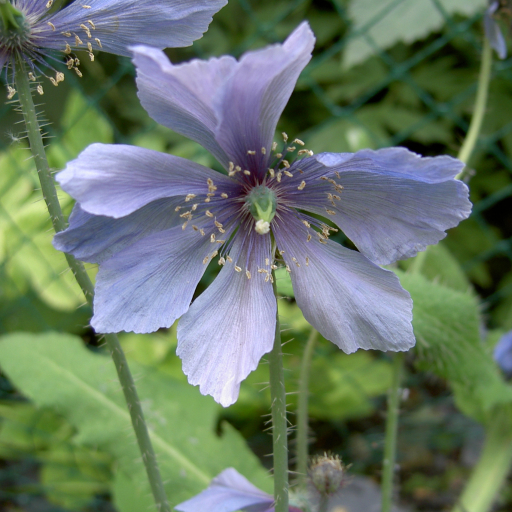
Known as the Prickly Blue Poppy, this stunning alpine beauty hails from the rocky, wind-swept slopes of the Himalayas and the Tibetan Plateau. Its botanical name, horridula, sounds intimidating, and for good reason—this plant is armed to the teeth with protective spines to survive the harsh mountain elements. Despite its "horrid" armor, it produces some of the most ethereal, translucent blue flowers found in the wild.
🔍 How to Identify
- 🌵 The Prickles: True to its name, every inch of the stems and leaves is covered in sharp, yellowish or purplish spines that deter hungry mountain goats and yaks.
- 💎 The Bloom: The flowers are legendary, featuring four to six delicate petals in shades of piercing sky-blue, lavender, or occasionally white, surrounding a dense cluster of golden-yellow stamens.
- 🥬 The Rosette: Before it sends up a flowering stalk, the plant sits low to the ground in a basal rosette of elongated, bristly green leaves.
🏡 In Your Garden
- 🏔️ Alpine Aspirations: This is a plant for the specialist. It demands the "cool and moist" conditions of its mountain home; it will quickly perish in humid heat or sweltering summer nights.
- 🪨 The Scree Secret: It hates "wet feet" during the winter. To keep it happy, use a gritty, rock-heavy soil mix that mimics mountain scree, ensuring water flows rapidly away from the crown to prevent rot.
- ⏳ Life Cycle: Be aware that many forms of this poppy are monocarpic—meaning the plant spends several years building energy, blooms once in a magnificent display, and then dies after setting seed.
⚠️ Safety & Toxicity
- 🧤 Physical Hazard: The primary danger is the spines. They are brittle and can easily break off in the skin, causing localized irritation and stinging. Always wear heavy-duty gardening gloves.
- 🐾 Mildly Toxic: Like many members of the poppy family, it contains alkaloids that can cause stomach upset if ingested by curious pets or children.
✨ Fun Fact
- ☁️ Sky-High Resident: Meconopsis horridula is one of the highest-growing flowering plants in the entire world. It has been recorded thriving at altitudes of nearly 19,000 feet (5,800 meters), where oxygen is thin and the UV radiation is intense!

Detailed Care Instructions

Place in a window with dappled sun or a spot in the middle of a room. Or directly in a window facing west or east.

Some plants require more regular watering than others, which should be done every few days. It's critical to maintain the soil moist all of the time. The water requirements of the same plant placed in pots with varying sizes will differ. Because the water in the smaller pot evaporates faster than the water in the larger pot, it will require more watering. Regardless of pot size, the surface should constantly be maintained moist.








