Plant Overview
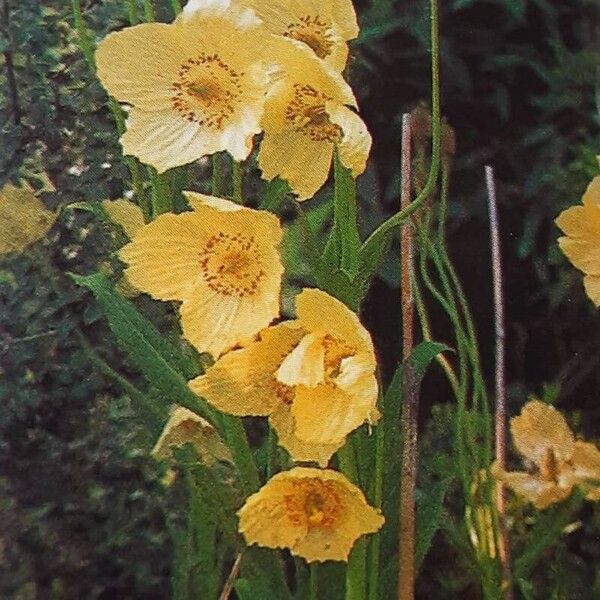
Known as the "Lampshade Poppy" or the "Yellow Poppy-of-the-High-Hills," this stunning alpine beauty is the golden cousin of the famous Himalayan Blue Poppy. Originating from the misty, high-altitude meadows of Tibet and Western China, it looks like a delicate, glowing lantern floating above a bed of silvery leaves. Victorian plant hunters braved treacherous mountain passes just to bring its seeds back to Europe, captivated by its sheer size and ethereal glow.
🔍 How to Identify
- 🌼 Lampshade Blooms: The flowers are massive, often reaching 6 to 8 inches across. They are bowl-shaped and nodding, featuring delicate, crinkled petals in a brilliant lemon-yellow.
- 🧶 Golden Fuzz: The stems and leaves are covered in a dense coat of soft, silky, golden-brown hairs. This "fur" helps the plant trap heat and protect itself from intense mountain UV rays.
- 🍃 Basal Rosette: Before it bolts to flower, the plant sits as a lush clump of long, lance-shaped leaves that are a soft, silvery-green color.
🏡 In Your Garden
- ☁️ Himalayan Aspirations: This poppy craves "cool and moist" conditions. It thrives in gardens that mimic a misty mountain—think Scottish Highlands or the Pacific Northwest. It will quickly wither in high heat or drying winds.
- 🪴 The Taproot Rule: It develops a long, sensitive taproot very early in its life. Because of this, it is notoriously difficult to transplant; it’s best to sow seeds exactly where you want them to stay or use biodegradable peat pots.
- ⏳ The Great Finale: Many forms of this plant are monocarpic. This means they may grow for several years as a leafy clump, put on one spectacular, jaw-dropping flowering display, and then die after releasing their seeds.
⚠️ Safety & Toxicity
- 🐾 Mildly Toxic: Like most members of the poppy family, it contains alkaloids that can be harmful if ingested in large quantities.
- 👶 Keep Watch: While not usually fatal, eating the leaves or seed pods can cause nausea, vomiting, or lethargy in pets and small children. It is best treated as an ornamental "look but don't touch" specimen.
✨ Fun Fact
🏔️ High-Altitude Hero: In the wild, Meconopsis integrifolia can be found growing at altitudes of up to 17,000 feet! At that height, the air is so thin and the weather so harsh that very few other flowering plants can survive, making its delicate appearance even more impressive.

Detailed Care Instructions

Place in a window with dappled sun or a spot in the middle of a room. Or directly in a window facing west or east.
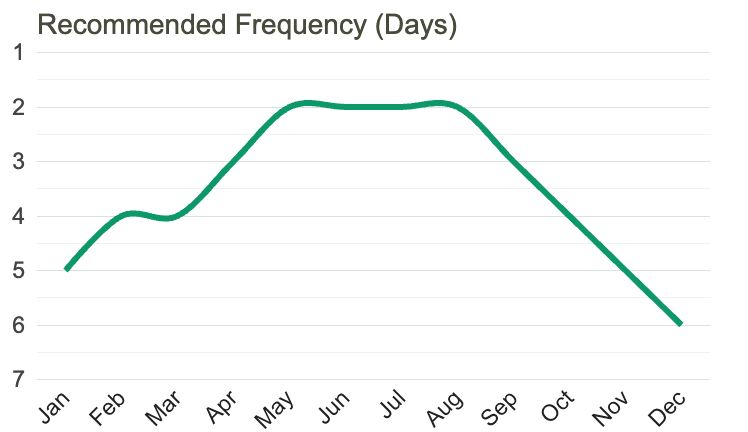
Water-loving plants flourish in wet or sloppy soil and near ponds. The extensive root system enables these plants to absorb plenty of water. The surface of the soil should be kept moist at all times. Place your pot in a container filled with water to guarantee that plants get enough water. If the ground becomes dry, it is recommended that you water it well. Plants in smaller pots will need to be watered more frequently. Water the soil in which the plant is standing thoroughly using a watering can.







