Plant Overview
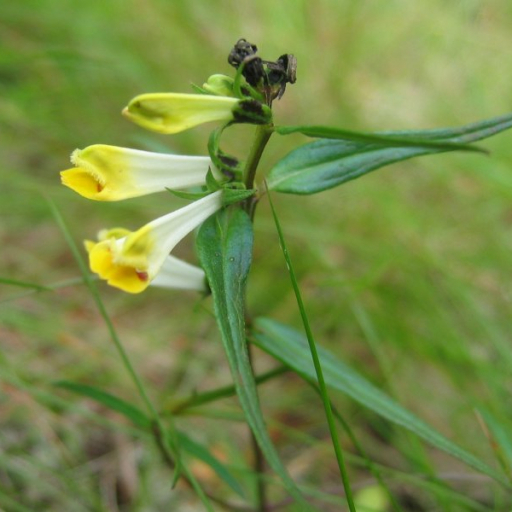
Known as the "Common Cow-wheat," this delicate woodland dweller is a master of disguise and survival. While it looks like a simple wildflower, it is actually a hemiparasite, meaning it steals a portion of its nutrients from the roots of neighboring grasses and trees. Historically, its presence was a sign of high-quality pasture, leading to the folk belief that it made cow's milk richer and more yellow.
🔍 How to Identify
- 🌼 The Flowers: Small, pale yellow tubular blooms that usually grow in pairs, all facing the same direction. They look somewhat like tiny, elongated snapdragons.
- 🍃 The Foliage: Narrow, lance-shaped leaves that sit opposite each other on the stem. In sunnier spots, the upper leaves and bracts often take on a striking deep purple or bronze tint.
- 🌱 The Stems: Slender, wiry stems that can reach about 10–50 cm in height, often branching out to create a dainty, airy appearance in the forest undergrowth.
🏡 In Your Garden
- 🌳 The Secret Thief: Because it is hemiparasitic, you cannot simply grow it in a pot of sterile soil. It requires "host" plants—usually grasses or forest trees—to latch onto. It is best suited for "rewilding" projects rather than formal flower beds.
- 🐜 Ant Ambassadors: This plant has a fascinating relationship with ants. Its seeds look remarkably like ant pupae and are coated in a fatty substance that ants love. They carry the seeds back to their nests, effectively "planting" the Cow-wheat in perfect, nutrient-rich soil.
- 🌲 Wild Origins: It thrives in acidic soils, often found in ancient woodlands, heaths, and moors. If you have a shady, acidic corner under a birch or oak tree, it may find a natural home there.
⚠️ Safety & Toxicity
- 🟢 Low Risk: Melampyrum pratense is not considered highly toxic to humans or pets, but it is also not an edible herb.
- 🐄 Livestock Note: While the name suggests cows love it, the plant contains small amounts of aucubin, which can be mildly toxic in massive quantities. For the average gardener or hiker, it is safe to touch but should not be ingested.
✨ Fun Fact
Common Cow-wheat is considered an "ancient woodland indicator" species. If you find a large patch of it in the wild, it’s a strong signal that the woods you are standing in have been there for hundreds, if not thousands, of years!

Detailed Care Instructions
To grow Melampyrum Pratense plant, also known as common cow-wheat, follow these steps:
- Obtain seeds or young plants: Melampyrum Pratense can be grown from seeds, which you can find online or at a local nursery. Alternatively, you might also find young plants that you can transplant.
- Choose the right location: Melampyrum Pratense prefers partially shaded areas, such as the edges of woodlands or under tall trees. Ensure that the soil is well-drained and moderately fertile.
- Prepare the soil: Before planting, remove any weeds or debris from the area. Loosen the soil with a garden fork or tiller and amend it with organic matter, such as compost, to improve its fertility and texture.
- Sow seeds or transplant the young plants: If you are sowing seeds, scatter them over the prepared soil and lightly press them into the ground. If using young plants, dig small holes at least a few inches apart and place the plants into the holes, covering the roots with soil.
- Water regularly: Keep the soil moist but not waterlogged. Water the plants regularly, especially during dry periods or prolonged heatwaves. Melampyrum Pratense prefers slightly moist soil.
- Provide shade: During hot summer days, consider providing light shade to protect the plants from excessive heat, especially if they are located in full sun. This can be achieved by placing a shade cloth or setting up temporary shade structures.
- Mulch around the plants: Apply a layer of organic mulch, such as wood chips or straw, around the plants. Mulch helps retain moisture, suppresses weeds, and regulates soil temperature.
- Monitor and control weeds: Regularly check for weeds and remove them promptly to prevent competition for resources with the Melampyrum Pratense plants.
- Provide support (optional): Melampyrum Pratense can grow up to 2 feet tall and may benefit from support, such as stakes or small trellises, to prevent flopping over or bending.
- Monitor and care for the plants: Keep an eye out for any signs of pests or diseases. Water as needed, and provide additional shade during heatwaves. Melampyrum Pratense generally requires minimal care other than regular watering.
With proper care, you should be able to enjoy the flowers of the Melampyrum Pratense plant.

Place in a bright room that is sun drenched almost all day. Or directly in a south-facing window.

Melampyrum Pratense plant requires regular watering during its growing season, which usually starts from spring to early fall. The soil should be kept moist but not waterlogged. Overwatering may cause root rot and other fungal diseases.
To water the Melampyrum Pratense plant, you can use a watering can or a hose with a gentle spray nozzle. Water the soil around the plant rather than the leaves to avoid fungal diseases. Make sure to water deeply so that the water reaches the root zone. Allow the soil to dry out slightly between watering sessions, but don't let it completely dry out.
During hot and dry weather conditions, you may need to water the plant more often. On the other hand, during rainy spells or cool weather, you may need to reduce the amount of watering. It's always important to monitor the soil moisture level to determine when the plant needs water.
It's also essential to provide good drainage for the Melampyrum Pratense plant. If the soil becomes waterlogged, the roots may become damaged, and the plant may wilt or die. Consider adding a layer of gravel or sand at the bottom of the planting hole to improve drainage.
Overall, watering the Melampyrum Pratense plant is easy, but it requires regular attention to ensure healthy growth and prevent water-related issues.
Fertilizing instructions for Melampyrum Pratense plants vary depending on the growth stage and specific soil conditions. However, here are some general guidelines to follow:
- Soil analysis: Conduct a soil test to determine the nutrient levels and pH of the soil in the planting area. This information will help you make informed fertilizer choices.
- Organic matter: Before planting, improve the soil quality by incorporating organic matter such as compost or well-rotted manure. This will enhance soil fertility and provide a slow-release source of nutrients.
- Nitrogen application: Melampyrum Pratense benefits from a balanced nitrogen supply. For established plants, apply a slow-release nitrogen fertilizer in early spring or late fall, following package instructions to ensure the correct amount is applied.
- Phosphorus and potassium: If the soil test indicates low levels of phosphorus and potassium, consider applying a balanced, granular fertilizer that includes these nutrients. Follow the instructions on the fertilizer package for application rates.
- Timing: Apply fertilizers in the growing season when the plants actively need nutrients. Avoid fertilizing during periods of drought or extreme heat, as this can stress the plants.
- Application technique: Distribute the fertilizer evenly around the plants, leaving a gap of a few inches between the fertilizer and the stem or leaves. Then, gently incorporate the fertilizer into the top layer of soil, being careful not to damage the plant's roots.
- Watering: After fertilizing, water the plants thoroughly to help the nutrients penetrate the soil and reach the root zone. Adequate watering is essential to prevent nutrient burn and ensure proper absorption.
- Monitor and adjust: Regularly monitor the plants and observe their growth. If there are signs of nutrient deficiencies or excesses (e.g., yellowing leaves, stunted growth), adjust the fertilization schedule accordingly or consult a local gardening expert for further guidance.
Remember, these instructions provide general guidelines, and it is always recommended to conduct a soil test for accurate fertilizer recommendations tailored to the specific needs of Melampyrum Pratense plants.
Melampyrum Pratense plant prefers a well-draining soil with a neutral to slightly acidic pH. It grows best in soil that is rich in nutrients, but not overly fertile as excessive nutrients can hinder its growth. The soil should be loamy in texture and able to retain moisture, as the plant requires a consistent level of soil moisture to thrive. It is also important to ensure that the soil is free from weeds and debris that may compete with the plant for nutrients and water. Organic matter can be added to the soil to improve its fertility and structure, but care should be taken to avoid over-fertilization of the plant. The soil should also be regularly aerated and maintained at a healthy pH level to promote optimal growth and flower production.
Melampyrum Pratense, commonly known as Yellow Cow Wheat or Common Cow Wheat, is a species of flowering plant that belongs to the family Orobanchaceae. It is a perennial species native to Europe and western Asia.
To propagate Melampyrum Pratense, several methods can be used. Here are some detailed steps:
- Preparing the seeds: Collect the mature seeds from the plant when they have turned brown and are dry. This typically occurs in late summer or early autumn. Remove any surrounding debris or chaff from the seeds.
- Stratification: Melampyrum Pratense seeds require a cold stratification period to germinate. This process mimics the natural conditions necessary for germination. Place the cleaned seeds in a damp paper towel or sand in a plastic bag and seal it. Store the bag in a refrigerator or cold place at a temperature of around 4°C (39°F) for about 4-6 weeks.
- Sowing the seeds: After the stratification period, prepare a seed tray or small pots with well-draining potting mix. Moisten the soil and sow the seeds on the surface, lightly pressing them down. Do not bury them too deep, as they require light for germination.
- Germination: Place the seed tray or pots in a warm and bright location, maintaining a temperature of around 20-25°C (68-77°F). Ensure the soil remains consistently moist but not saturated. Germination typically occurs within 2-4 weeks, but it can sometimes take longer.
- Transplanting: Once the seedlings have developed their first few true leaves, they can be transplanted into individual containers or directly into a suitable garden bed. Before transplanting, harden off the seedlings by gradually exposing them to outdoor conditions over a week or two.
- Soil and site preferences: Melampyrum Pratense prefers well-draining soils that are moderately fertile. Choose a location with partial shade to full sun exposure for optimal growth. It is adaptable to various soil types but performs best in slightly acidic to neutral pH levels.
- Maintenance: Provide regular watering to keep the soil evenly moist but not waterlogged. Once established, Melampyrum Pratense is relatively drought-tolerant. Apply a balanced fertilizer during the growing season to promote healthy growth.
By following these propagation steps, you can successfully propagate Melampyrum Pratense and expand its presence in your garden or landscape.








