Plant Overview
Commonly known as the Chinaberry Tree or Persian Lilac, Melia azedarach is a fast-growing deciduous tree that has traveled from its Himalayan roots to gardens across the globe. It is prized for its dense, umbrella-like canopy and the intoxicating, honey-sweet fragrance of its spring blossoms. While it offers rapid shade, it is often viewed as a "beautiful troublemaker" due to its ability to spread quickly and its brittle branches.
🔍 How to Identify
- 🍃 Lacy Foliage: The leaves are "bipinnate" (doubly compound), creating a delicate, fern-like appearance. Each leaflet is dark green with slightly jagged or toothy edges.
- 🌸 Star-Shaped Flowers: In late spring, the tree is covered in loose clusters of tiny, five-petaled lilac or purple flowers with a distinct dark purple tube at the center.
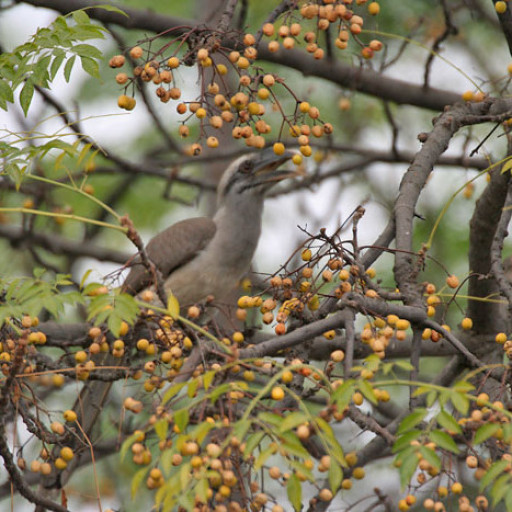
- 🟡 Hard Yellow Drupes: By autumn, the tree produces clusters of marble-sized yellow fruits. These "berries" often persist on the bare branches throughout the winter, looking like golden ornaments.
🏡 In Your Garden
- 🌳 Instant Shade: This tree is a "pioneer species," meaning it grows incredibly fast. It is often used by homeowners who need a full canopy in a short amount of time to block out the sun.
- 💨 Brittle Wood: Because it grows so quickly, the wood is not very dense. It is prone to breaking during high winds or heavy ice storms, so it is best planted away from power lines and parked cars.
- 🚿 Drought Warrior: Once established, the Chinaberry is remarkably hardy. It can survive in poor soil and withstand long periods without rain, making it a low-maintenance choice for difficult landscapes.
⚠️ Safety & Toxicity
- 🚫 Toxic Berries: Warning. All parts of the tree are toxic, but the yellow fruits contain the highest concentration of neurotoxins (meliatoxins).
- 👶 Kids & Pets: Ingesting just a few berries can cause severe illness in humans, and they are notoriously dangerous for dogs and livestock. Always clear away fallen fruit if you have curious pets or children playing nearby.
- 🐦 Avian Exception: Interestingly, many birds can eat the berries without harm, though they may become "drunk" or disoriented if the fruit has fermented on the branch.
✨ Fun Fact
- 📿 The hard, stony seeds inside the fruit have a natural hole through the center. For centuries, these seeds have been dried, dyed, and strung together to make rosaries and jewelry, giving the plant the nickname "The Bead Tree."

Detailed Care Instructions
| Humidity | Normal |
| Lighting | Full Sun |
| Toxicity | Poisonous |
| Difficulty | Medium |
| Hibernation | Cold Period |
| Temperature | 21°C - 39°C |
| Hardiness Zones | 7 - 11 |
To grow a Melia azedarach plant, also known as the China tree or Persian lilac, follow these steps:
- Choose a suitable location: Melia azedarach prefers full sun to partial shade and well-draining soil. Ensure that the location you select has enough space for the tree to grow to its full size, as it can reach up to 30-50 feet in height.
- Prepare the soil: The soil should be well-draining and fertile. If the soil is heavy clay, you can add organic matter such as compost or well-rotted manure to improve drainage and fertility.
- Planting: Dig a hole that is twice as wide and as deep as the root ball of the plant. Gently place the plant in the hole, making sure it is at the same depth as it was in its previous container or nursery bed. Fill the hole with soil and pat it down gently to remove any air pockets.
- Watering: After planting, water the plant thoroughly and deeply. Water regularly, especially during dry periods, but avoid waterlogging the soil.
- Mulching: Apply a layer of organic mulch around the base of the plant to conserve soil moisture, suppress weed growth, and provide nutrients as it breaks down over time. Keep the mulch a few inches away from the tree trunk to prevent rot.
- Pruning: Melia azedarach benefits from occasional pruning to maintain a desired shape, remove dead or damaged branches, and promote better air circulation. Pruning is typically done in late winter or early spring while the plant is dormant.
- Fertilization: Apply a balanced slow-release fertilizer in spring, following the manufacturer's instructions. Avoid over-fertilization, as it can lead to excessive vegetative growth and reduced flowering.
- Pests and diseases: Melia azedarach is generally resistant to pests and diseases. However, occasional infestations of scales, aphids, or leaf-eating caterpillars may occur. Monitor the plant regularly and use appropriate organic or chemical controls if necessary.
- Propagation: Melia azedarach can be propagated from seeds, which should be soaked in water for a day before planting. Alternatively, you can propagate the plant from softwood cuttings taken in early summer or by layering.
Remember to check your local regulations regarding the planting of Melia azedarach, as it can be invasive in some regions.

Place in a bright room that is sun drenched almost all day. Or directly in a south-facing window.

To water this plant, it is important to ensure that the soil is dry before watering. This can be tested by inserting a finger into the soil to a depth of about 1 inch. If the soil feels dry, it is time to water.
Water should be applied at the base of the plant, rather than on the leaves or flowers. This can be done using a watering can or hose, taking care not to over-water the plant. It is important to avoid getting the leaves wet as this can lead to the development of fungal diseases.
During the growing season, water should be applied regularly to keep the soil moist. However, care should be taken not to over-water, as this can also lead to problems such as root rot. In periods of heavy rain, it may be necessary to reduce the amount of water applied to prevent waterlogging.
In the winter months, water should be reduced to allow the plant to rest. This can be done by watering less frequently, or by reducing the amount of water applied each time. It is important not to let the soil dry out completely, but also not to keep it too wet.
Overall, watering Melia Azedarach plant requires careful monitoring of the soil moisture levels, and a balance between regular watering and avoiding over-watering.
- Choose a balanced fertilizer with equal parts nitrogen, phosphorous, and potassium.
- Apply the fertilizer in early spring before the growing season begins.
- Dilute the fertilizer according to the instructions on the package.
- Use a watering can or fertilizer spreader to distribute the fertilizer evenly around the base of the plant.
- Avoid getting fertilizer on the leaves or stems of the plant as it can cause burning.
- Water the plant well after fertilizing to help the nutrients absorb into the soil.
- Repeat fertilization every four to six weeks during the growing season.
- Stop fertilizing in late summer to allow the plant to prepare for dormancy in the winter.
- Use caution when fertilizing as over-fertilization can cause damage to the plant and the surrounding environment.
When planting a Melia Azedarach plant, it is important to use a well-draining soil mix that is rich in organic matter and nutrients. The soil should preferably have a pH of between 6.5 and 7.5, which is slightly acidic to neutral. It is important to ensure the soil is not compacted to allow the plant's roots to grow freely.
A soil mix that includes a combination of compost or well-rotted manure, sand, and loam is ideal for planting Melia Azedarach. This helps to provide the plant with essential nutrients for growth and ensure that water is not retained in the soil, which could potentially cause root rot.
It is also important to ensure that the soil is kept moist but not overly wet. Regular watering is necessary for the Melia Azedarach to thrive, especially during its first year when the roots are establishing.
Overall, the soil used for planting Melia Azedarach should be well-draining, rich in nutrients, and maintain a slightly acidic to neutral pH.
To propagate this plant, take a cutting of around 10-15cm in length from the stem. Remove any leaves from the lower half of the stem and make sure that you have a few leaves remaining at the top. Dip the cut end of the cutting into rooting hormone powder and plant it into a pot filled with moist, well-draining soil. Water thoroughly and cover with a plastic bag or clear plastic wrap to create a mini greenhouse effect. Keep the cutting in a warm, bright area but out of direct sunlight.
After a few weeks, roots should start to form at the base of the stem. Once the cutting has established a good root system, you can transplant it into a larger pot or directly into the ground. Make sure to allow the plant to acclimate gradually to the new environment before exposing it to full sunlight. Water regularly and provide adequate drainage to prevent waterlogging and root rot. With the proper care, the new plant should thrive and grow into a mature tree over time.
Common pests of the persian-lilac include Scale insect, mealybugs, spider mites. Make a habit of checking your persian-lilac frequently for pests so that any infestations can be caught and managed early.








