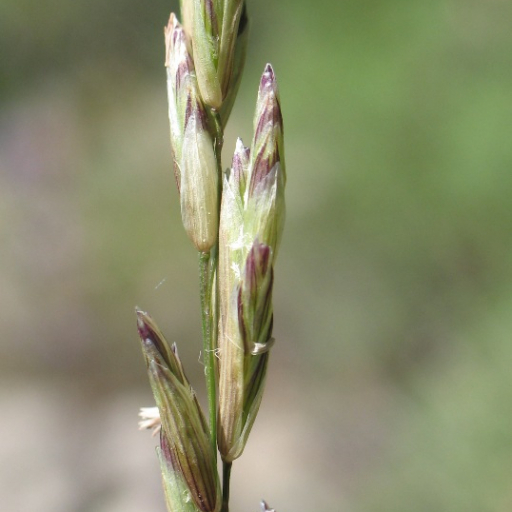
Plant Overview
Commonly known as California Melic, this graceful perennial bunchgrass is a quintessential part of the West Coast landscape. Often found swaying in oak woodlands or clinging to rocky slopes, it is celebrated for its shimmering, pearl-like seed heads that capture the golden hour light perfectly. It’s a favorite for "wild" gardens, offering a soft, airy texture that balances heavier shrubs.
🔍 How to Identify
- 🌾 Growth Habit: It forms dense, tidy tufts (clumps) of bright green foliage that typically reach 1 to 3 feet in height.
- 🔔 The Flowers: The most distinct feature is the narrow, upright flower clusters. The spikelets are papery and translucent, often appearing cream-colored or tinged with a delicate purple.
- 🍃 Leaf Texture: The blades are relatively narrow and rough to the touch, often curling slightly as they dry during the warmer months.
🏡 In Your Garden
- ☀️ Sun & Slope: California Melic thrives in well-draining soil and is particularly adept at stabilizing banks or slopes. It loves the dappled shade of an oak tree but can handle full sun in cooler coastal areas.
- 💤 Summer Dormancy: Don't be alarmed if it turns tawny and "dead" looking in mid-summer. This is its natural defense mechanism against drought. It isn't thirsty; it's just resting until the autumn rains return.
- 🦋 Wildlife Magnet: While it’s a quiet beauty to us, it’s a bustling hub for local ecology, providing essential cover for small birds and acting as a larval host for several species of skipper butterflies.
⚠️ Safety & Toxicity
- ✅ Status: Non-toxic and generally safe.
- 🐾 Pets & Kids: There are no known toxic properties for dogs, cats, or humans. However, like many ornamental grasses, the dry seed heads can occasionally become "foxtails" that get stuck in a pet's fur or ears, so a quick post-hike brush is always a good idea.
✨ Fun Fact
The genus name Melica is derived from the Greek word for "honey." While California Melic doesn't produce honey, the name was historically applied to various grasses because of the sweet taste of their stems or seeds!

Detailed Care Instructions
To grow Melica californica, also known as California melic grass, you can follow these steps:
- Climate and soil: Check if your region has a suitable climate for growing Melica californica. It thrives in Mediterranean climates but can also grow in lightly shaded areas in milder zones. The soil should be well-draining and fertile.
- Seeds or plants: Obtain Melica californica seeds or young plants from a reputable nursery or seed supplier. Ensure the seeds or plants are fresh and healthy.
- Timing: Sow seeds in the early spring or fall, when the soil is still warm but there is enough moisture. If using young plants, transplant them during the same period.
- Site selection: Choose a location with full sun to partial shade. The soil should be loose and well-prepared, removing any weeds or debris.
- Planting seeds: Sow the seeds thinly and evenly across the soil surface. Lightly rake the seeds into the top 1/4 inch of soil. Water gently to moisten the soil but avoid overwatering, as Melica californica prefers well-drained soil.
- Transplanting young plants: Dig holes that are slightly larger than the root ball of the young plant. Place the plant in the hole and gently pat the soil around it, ensuring it is well-supported. Water thoroughly after transplanting.
- Watering: Keep the soil consistently moist, especially while the plants are establishing. Avoid waterlogged conditions or prolonged drought, as they can harm the plant.
- Mulching: Apply a layer of organic mulch around the base of the plants to retain moisture, suppress weed growth, and provide insulation.
- Maintenance: Regularly remove weeds and grasses that may compete with Melica californica. If the plants become overcrowded or sparse, thin them out or divide them every few years to rejuvenate growth.
- Pests and diseases: Melica californica is generally resistant to pests and diseases. However, it's still important to monitor for any signs of infestation or disease and take appropriate action if necessary.
- Enjoying the plants: Melica californica will form clumps of attractive, perennial grass. Enjoy its ornamental foliage and delicate flowers, which sway in the breeze. Encourage natural pollinators like bees and butterflies by providing a diverse garden environment.
Remember to check local regulations regarding the cultivation of non-native or invasive species to ensure that Melica californica is suitable for your specific area.

Place in a bright room that is sun drenched almost all day. Or directly in a south-facing window.

Melica Californica plant should be watered regularly but not excessively. It is important to ensure that the soil is moist but not waterlogged, as this can cause root rot and other issues. The frequency of watering will depend on a variety of factors, including the climate, soil type, and the size of the plant. Generally, it is best to water the Melica Californica plant when the soil feels dry to the touch or when the plant starts to show signs of wilting. When watering, it is important to ensure that the water reaches down to the roots of the plant. This can be achieved by either watering at the base of the plant or by soaking the soil around the plant. It is also important to avoid getting the leaves of the plant wet, as this can lead to fungal diseases and other issues. In addition to regular watering, it is also important to provide the Melica Californica plant with adequate drainage to prevent water from accumulating around the roots.
To fertilize this plant, apply a slow-release fertilizer to the soil in early spring before new growth appears. Use a balanced fertilizer with equal amounts of nitrogen, phosphorus, and potassium. Avoid fertilizing in the fall or winter, as this can encourage tender new growth that is vulnerable to frost and cold damage. Monitor the plant's growth throughout the season and adjust fertilization as needed, avoiding over-fertilization which can cause excessive vegetative growth at the expense of flowering. Water the plant thoroughly before and after applying fertilizer to prevent root burn.
Melica Californica plant prefers a well-draining soil that retains moisture while allowing excess water to drain away from the roots. The ideal soil for this plant should be slightly acidic to neutral (pH range of 5.5-7.0), with a mixture of organic matter such as compost or peat moss. The soil should also be nutrient-rich, with a good balance of nitrogen, phosphorus, and potassium, to promote healthy growth. It is important to avoid using heavy or compacted soil, as this can lead to root rot and other issues. Additionally, adding sand or perlite to the soil mix can help improve drainage and prevent waterlogging.
To propagate this plant, one can collect its seeds after the flowers have bloomed and the seed heads have matured. The seeds should be sown in well-draining soil, covered lightly with soil, and kept moist until they germinate. Alternatively, one can divide an established plant and transplant the divided pieces into their own pots or into new areas of the garden. Dividing should be done in the spring or fall, and the plants should be watered well after transplanting.








