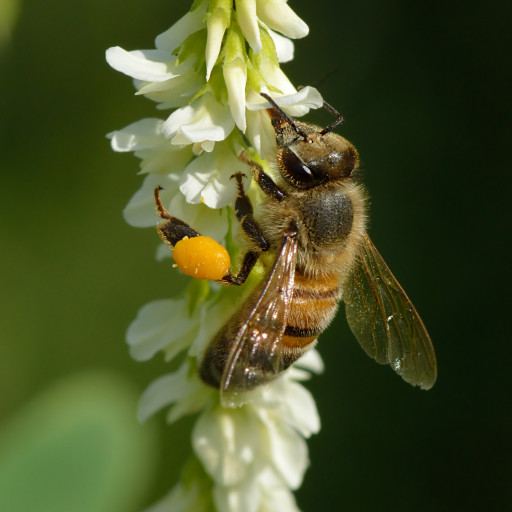
Plant Overview
Often called the White Sweet Clover, this towering biennial is a favorite of honeybees and a symbol of soil restoration. While it might look like a common roadside weed to the untrained eye, it carries a sweet, vanilla-like scent that can perfume an entire meadow on a warm summer afternoon. Originating from Eurasia, it has traveled the world as a "pioneer plant," often being the first to move into poor, damaged soils to begin the healing process.
🔍 How to Identify
- 🍃 Trifoliate Leaves: It features three-parted leaflets similar to alfalfa, with tiny "teeth" along the entire margin of each leaf.
- ☁️ Floral Racemes: The flowers are tiny, white, and pea-shaped, growing in long, slender spikes that dance in the wind.
- 📏 Tall Stature: Unlike the low-creeping clover in your lawn, this species is upright and branched, easily reaching heights of 3 to 6 feet in its second year of growth.
🏡 In Your Garden
- 🏗️ Soil Architect: This plant is a powerful nitrogen-fixer. It uses specialized bacteria in its roots to pull nitrogen from the air and deposit it into the earth, making it an excellent "green manure" for rehabilitating tired garden beds.
- 🐝 The Beekeeper’s Favorite: If you want a garden buzzing with life, this is a top-tier choice. It is one of the most prolific nectar-producing plants in the world, responsible for some of the highest-quality light honey available.
- ⏳ Biennial Cycle: Be patient with its growth; the first year is dedicated to building a deep, sturdy taproot, while the spectacular white blooms and seeds appear only in the second year.
⚠️ Safety & Toxicity
- 🐾 Livestock & Pet Warning: White Sweet Clover contains coumarin, the compound responsible for its sweet smell. If the plant becomes moldy (often in poorly dried hay), coumarin converts into dicoumarol, a powerful anticoagulant that can cause "Sweet Clover Disease," leading to internal bleeding in animals.
- 👶 General Safety: While it is generally safe to touch, it should not be ingested by children or pets. In humans, high doses of coumarin can cause dizziness or nausea and may interact with blood-thinning medications.
✨ Fun Fact
The specific name Albus simply means "white" in Latin, but its scent is its most famous trait. The sweet aroma of "mown hay" associated with this plant is so distinct that it was historically used as a flavoring for tobacco and even as a primitive perfume for scenting clothes and linens!

Detailed Care Instructions
| Hardiness Zones | 4A - 8B |
To grow Melilotus albus (white sweet clover), follow these steps:
- Obtain seeds: Purchase Melilotus albus seeds from a local nursery or online seed vendor.
- Choose a suitable location: Select a sunny outdoor spot that receives at least six hours of direct sunlight daily. White sweet clover can tolerate a wide range of soil types but prefers well-drained, loamy soil.
- Prepare the soil: Loosen the soil using a garden fork or tiller to a depth of about 6-8 inches. Remove any weeds or debris from the area.
- Sow the seeds: Scatter the Melilotus albus seeds evenly across the prepared soil surface. Lightly press them into the soil, but do not bury them too deep.
- Water the seeds: Water the area thoroughly after sowing the seeds. Ensure the soil remains consistently moist until germination occurs, usually within 7-14 days.
- Thin the seedlings: When the seedlings reach about 2-3 inches in height, thin them out to about 6-8 inches apart. This allows sufficient space for the plants to grow and prevents overcrowding.
- Maintain moisture: Water the plants regularly, especially during dry periods, to keep the soil moist. However, avoid overwatering, as it can lead to root rot.
- Fertilize if needed: If the soil is poor in nutrients, you can apply a balanced slow-release fertilizer according to the manufacturer's instructions. White sweet clover generally does not require heavy fertilization.
- Control weeds: Keep the area around the Melilotus albus plants weed-free to reduce competition for nutrients and water. Frequent hand-weeding or mulching can help prevent weed growth.
- Prune or mow: If the plants grow too tall or become leggy, you can prune or mow them back to promote bushier growth and prevent flopping.
- Harvest or leave for wildlife: Depending on your intended use, you can harvest the Melilotus albus flowers and dry them for various purposes, like teas or potpourri. Alternatively, you can leave the plant to provide forage for pollinators and wildlife.
Remember to check your local regulations regarding the cultivation of Melilotus albus, as it is considered an invasive species in certain areas.

Place in a bright room that is sun drenched almost all day. Or directly in a south-facing window.

Melilotus Albus is a plant that requires proper watering to ensure its healthy growth. To water this plant, it is important to consider the soil type and the climate in the area where it is grown. The following steps can be helpful in watering Melilotus Albus plant:
1. Check the soil before watering: Before watering, it is important to check the soil moisture level. The soil should be moist but not waterlogged. If the soil is dry, it is time to water the plant.
2. Water early in the morning or late in the evening: It is best to water Melilotus Albus early in the morning or late in the evening when the temperature is cooler. This will help the water to penetrate the soil better and prevent evaporation.
3. Water at the base of the plant: When watering, it is important to target the soil around the base of the plant and avoid getting water on the leaves. This will help prevent diseases and keep the leaves dry.
4. Water deeply and slowly: It is important to water Melilotus Albus deeply and slowly, allowing the water to penetrate the soil. This will encourage the plant to develop deep roots and become more drought-resistant.
5. Adjust watering frequency based on weather conditions: During hot and dry weather, Melilotus Albus may require more frequent watering. But during cool and rainy weather, watering frequency may need to be reduced.
6. Use mulch: Adding a layer of mulch around the base of the plant can help retain moisture in the soil and reduce water loss due to evaporation.
By following these tips, Melilotus Albus can be kept well-watered and healthy, ensuring its attractive white blooms and sweet fragrance.
The Melilotus Albus plant should be fertilized in the early spring using a balanced fertilizer with equal parts nitrogen, phosphorus, and potassium. The fertilizer should be applied around the base of the plant and watered in thoroughly. Repeat the fertilization process every six weeks until mid-summer. Avoid fertilizing in the fall as it may promote new growth that can be damaged by winter weather.
Melilotus Albus grows best in soil that is well-draining and rich in organic matter. It prefers a slightly acidic soil with a pH between 6.0 and 7.0. The soil should be moist but not waterlogged, as the plant does not tolerate standing water. It thrives in full to partial sun and can tolerate some drought once established. It is also important to ensure that the soil is free of any toxins or pollutants, as this can negatively impact the health of the plant. It is recommended to add compost or well-rotted manure to the soil before planting to provide the necessary nutrients for healthy growth.
To propagate this plant, one can gather the seeds in the fall after they have ripened and spread them in a well prepared seed bed or container. The seeds should be pressed gently into the soil and covered with a light layer of soil. Keep the soil moist until the seeds germinate, which can take a few weeks. Once the seedlings have emerged, they can then be transplanted to their final growing location. It is also possible to propagate this plant through root cuttings or division in the spring or fall. To do this, carefully dig up the plant and separate the roots or crown, replanting the pieces in the desired location.








