Plant Overview
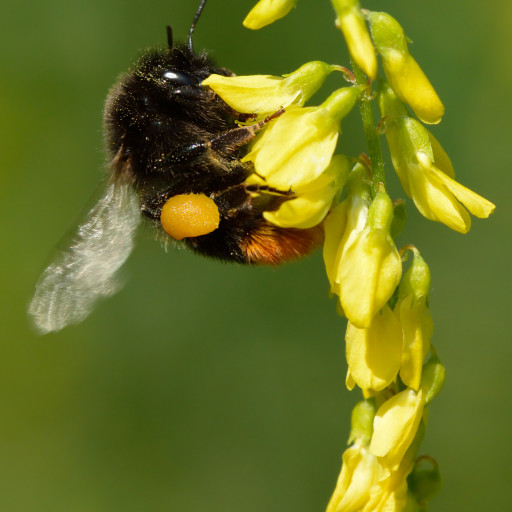
Commonly known as Yellow Sweet Clover or King’s Clover, this tall, airy biennial is a staple of sunny meadows and roadsides. It is most famous for its intoxicating fragrance, which smells like a sweet blend of vanilla and freshly mown hay. While it is a beloved "pasture plant" that provides high-quality nectar for honeybees, it has a rebellious side, often spreading quickly where it isn't invited.
🔍 How to Identify
- 🍃 The Foliage: Look for "trifoliate" leaves—clover-like clusters of three leaflets. Each leaflet is elongated and features tiny, sharp teeth along the entire margin.
- 🌼 The Flowers: It produces distinctive, slender spikes (called racemes) that are 2–6 inches long, packed with dozens of tiny, drooping, bright yellow pea-like blossoms.
- 📏 Stature: Unlike the low-creeping white clover in your lawn, Yellow Sweet Clover is an upright giant, often reaching 3 to 6 feet in height with a bushy, branched appearance.
🏡 In Your Garden
- 🌱 Soil Architect: This plant is a "nitrogen fixer." It works with soil bacteria to pull nitrogen from the air and "pump" it into the earth, making it an excellent green manure for rehabilitating tired or nutrient-poor soil.
- 🐝 Pollinator Paradise: It is arguably one of the best plants for supporting biodiversity. It attracts a massive variety of honeybees, solitary bees, and butterflies, which can help pollinate the rest of your garden.
- 🌾 Drought Warrior: Because it develops a deep, sturdy taproot, it is incredibly drought-tolerant and can thrive in gravelly or compacted soils where other plants might wither.
⚠️ Safety & Toxicity
- 🐾 Livestock & Pet Warning: Fresh sweet clover is generally safe, but there is a catch. If the plant is cut and becomes moldy, the natural compound "coumarin" transforms into "dicoumarol," a powerful anticoagulant.
- 🩸 Internal Risks: If ingested by pets or livestock in a moldy state, it can cause "Sweet Clover Disease," a dangerous condition that prevents blood from clotting. Keep your pets away from damp, decomposing piles of this plant.
- 👶 General Handling: It is non-toxic to touch and generally safe for curious kids, though it should never be ingested as a "wild snack" due to its medicinal potency.
✨ Fun Fact
Yellow Sweet Clover is the scientific "ancestor" of modern blood-thinning medications! After researchers studied why cattle were mysteriously bruising after eating fermented clover, they discovered the compound that led to the creation of Warfarin, a drug used today both as a life-saving heart medication and a common rodenticide.

Detailed Care Instructions
To grow Melilotus Officinalis, also known as yellow sweet clover, follow these steps:
- Choose a suitable location: Melilotus Officinalis prefers full sun to partial shade and well-draining soil. It can tolerate a wide range of soil types, but performs best in fertile, loamy soil.
- Prepare the soil: Before planting, loosen the soil using a garden fork or tiller. Remove any weeds or rocks and amend the soil with organic matter, such as compost, to improve its fertility.
- Sow the seeds: Melilotus Officinalis seeds can be directly sown in the prepared soil in spring or early fall. Scatter the seeds over the soil surface and lightly press them into the soil, but do not cover them completely as they require light for germination. Space the seeds 12-18 inches apart.
- Watering: After sowing the seeds, water the soil thoroughly and keep it consistently moist but not waterlogged. Water regularly during dry spells to ensure proper germination and growth.
- Maintenance: Melilotus Officinalis requires minimal maintenance once established. However, it is important to control weeds around the plants to prevent competition for nutrients and moisture. Mulching around the plants can help to suppress weeds.
- Harvesting: The flowers of Melilotus Officinalis can be harvested when they are in full bloom. Cut the flowering stems just above a leaf node and hang them upside down in a well-ventilated area to dry. Once dried, remove the flowers and store them in an airtight container.
- Propagation: Melilotus Officinalis can also be propagated by division or through root cuttings. Divide the plant in spring or fall by carefully separating the clumps or take root cuttings and plant them in pots or directly in the ground.
Remember that Melilotus Officinalis has the potential to become invasive in some areas, so be cautious and check with local authorities to ensure it is not considered an invasive species in your region.

Place in a bright room that is sun drenched almost all day. Or directly in a south-facing window.

Melilotus Officinalis plant requires a consistent amount of moisture to thrive. When watering the plant, it is important to give it enough water to soak the soil to a depth of at least a few inches. However, it is also important to avoid over-watering as this can lead to root rot and other issues.
The best way to water Melilotus Officinalis is to keep the soil consistently moist but not waterlogged. This can be achieved by watering the plant deeply once or twice a week, depending on the climate and soil conditions. When watering the plant, it is important to water directly at the base of the plant and avoid getting water on the leaves as this can lead to fungal diseases.
If the plant is in a container, make sure that it has drainage holes to allow excess water to escape. It is also important to avoid letting the plant sit in standing water as this can also lead to root rot and other issues.
In general, it is important to monitor the soil moisture levels of Melilotus Officinalis regularly and adjust watering as needed. With proper care and attention, this plant should thrive and produce beautiful blooms for many years to come.
- Choose a balanced fertilizer with equal amounts of nitrogen, phosphorus, and potassium.
- Apply the fertilizer during the plant's active growing season.
- Mix the fertilizer with water according to the package instructions.
- Water the soil around the plant before and after applying the fertilizer.
- Apply the fertilizer at the base of the plant, avoiding the leaves and stems.
- Use caution not to over-fertilize, as this can harm the plant.
Melilotus Officinalis prefers well-draining soil with a neutral to alkaline pH level. It grows best in nutrient-rich loamy soil that is moist but not overly wet. The soil should be loose, fertile, and full of organic matter. It can tolerate drought conditions but not waterlogged soils. Sandy loam soil is ideal as it provides good drainage and aeration. A soil mixture that includes equal parts of garden soil, peat moss and perlite can also work well. It is recommended to avoid heavy, compacted soils that can suffocate the roots and restrict growth.
Melilotus Officinalis plant can be propagated by taking stem cuttings in mid-summer. The ideal stem cuttings are approximately four inches long and should be stripped of any leaves from the bottom half. The cuttings should then be dipped in rooting hormone and planted in a well-draining soil mix. The soil should be kept moist and placed in a shaded area until roots have formed. New growth should appear within four to six weeks. Once established, the Melilotus Officinalis plant can be transplanted to its permanent location.
Common pests of the yellow sweet clover include Spider mites, aphids. Make a habit of checking your yellow sweet clover frequently for pests so that any infestations can be caught and managed early.








