Plant Overview
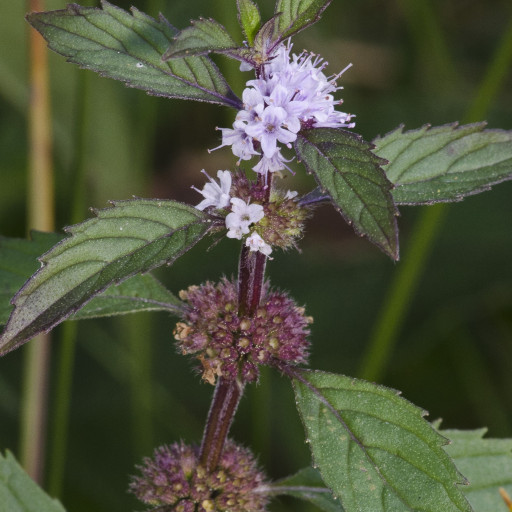
Often referred to as the American Wild Mint, Mentha canadensis is the only mint species truly native to North America. While its European cousins like Peppermint often steal the spotlight, this hardy native was a staple in the pharmacies of Indigenous peoples long before it reached modern gardens. It is prized for its cooling scent and its ability to thrive in the damp, "mucky" corners of a yard where other plants might struggle.
🔍 How to Identify
- 🌿 Square Stems: Like all members of the Lamiaceae family, its stems are distinctly four-sided. If you roll the stem between your fingers, you will feel the sharp edges.
- 🍃 Axillary Flowers: Unlike many mints that grow flowers in a spike at the very top, this species produces clusters of tiny pale-purple or white flowers in the "armpits" (axils) where the leaves meet the stem.
- 👃 Intense Fragrance: The leaves are lance-shaped with serrated edges. When bruised, they release a powerful, sharp menthol aroma that is often more "medicinal" than the sweet scent of Spearmint.
🏡 In Your Garden
- 💧 Wet Feet Welcome: This plant is a natural resident of wet meadows and riverbanks. In your garden, it thrives in soil that stays consistently moist. It is the perfect choice for a rain garden or a low-lying spot that collects water.
- 🏃 The Great Escapist: It spreads via underground runners called rhizomes. Because it is a vigorous grower, it can quickly colonize a flower bed. If you want to keep it from taking over, consider planting it in a sunken pot or a contained area.
- 🦋 Pollinator Magnet: While humans love the scent, local bees and butterflies love the nectar. It is an excellent "support plant" for boosting the biodiversity of a native-focused landscape.
⚠️ Safety & Toxicity
- ✅ Safe for Humans: The leaves are widely used for teas and culinary garnishes. It is generally recognized as safe for consumption in normal amounts.
- 🐱 Pet Caution: Like most mints, it contains essential oils (including pulegone) that can be toxic to cats and dogs if consumed in very large quantities. While a small nibble is rarely an emergency, keep an eye on curious pets to ensure they don't treat the mint patch like a salad bar.
- 👶 Child Safety: Skin contact is safe, though the concentrated oils can sometimes cause mild irritation to sensitive skin or eyes if a child rubs their face after crushing the leaves.
✨ Fun Fact
- 🧪 Menthol Master: Mentha canadensis often has a higher menthol content than almost any other wild mint. In fact, it is the primary source used globally for the commercial production of natural menthol crystals used in lozenges and cooling balms!

Detailed Care Instructions
To grow Mentha Canadensis, also known as American wild mint, you can follow these steps:
- Select a suitable location: American wild mint prefers full sun to partial shade. Choose a spot with well-draining soil.
- Prepare the soil: Before planting, loosen the soil and remove any weeds or grass. Add organic matter, such as compost or aged manure, to improve the soil's fertility.
- Start from seeds: You can start Mentha Canadensis from seeds by sowing them directly in the prepared soil in early spring. Scatter the seeds evenly and lightly cover them with a thin layer of soil.
- Watering: Keep the soil consistently moist, but avoid overwatering. Mint plants generally require regular watering, especially during hot and dry periods.
- Thin out the seedlings: Once the seedlings sprout and reach a few inches in height, thin them out to provide enough space for each plant to grow properly. Space the plants about 12-18 inches apart.
- Mulch: Apply a layer of organic mulch around the base of the plants to help retain moisture, suppress weed growth, and add nutrients to the soil.
- Fertilize: Mint plants generally don't require much fertilizer. However, you can apply a balanced, slow-release fertilizer once a season to promote healthy growth.
- Pruning: To encourage bushy growth, pinch off the top few inches of the stems regularly. This will also help prevent the plant from becoming leggy.
- Harvesting: You can start harvesting the leaves once the plant reaches a substantial size. Trim off the stems just above a leaf node to encourage branching and new growth.
- Overwintering: Mentha Canadensis is a perennial plant, meaning it can survive through winter. In colder regions, protect the plant by applying a layer of mulch around its base to insulate the roots.
By following these steps, you can successfully grow Mentha Canadensis in your garden.

Place in a bright room that is sun drenched almost all day. Or directly in a south-facing window.
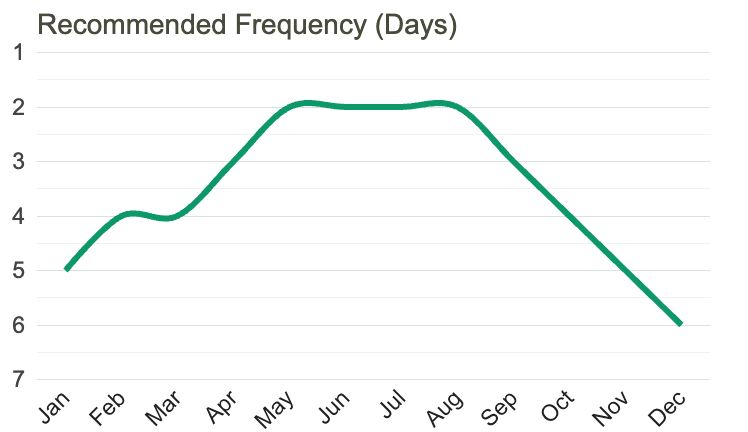
To properly water this plant, it is important to first understand its watering needs. Mentha Canadensis prefers moist soil, but not waterlogged conditions. The soil should be allowed to partially dry out before watering again. Overwatering can lead to root rot and other issues.
To water Mentha Canadensis, it is best to use a watering can or hose with a gentle spray attachment. Avoid pouring water directly onto the leaves or stem of the plant, as this can lead to leaf damage or disease. Instead, aim the water at the base of the plant and allow it to soak into the soil.
Water the plant thoroughly, but avoid letting water pool on the soil surface or run off the sides of the container. After watering, check the soil moisture level regularly to ensure that it is not becoming too dry or too wet. Adjust watering frequency as needed based on the plant's moisture needs and environmental conditions.
For best results, fertilize your plant with a balanced liquid fertilizer every two weeks during the growing season. Be sure to dilute the fertilizer according to the instructions on the label before applying it to the soil. Avoid over-fertilizing, as this can lead to burnt or damaged leaves. Additionally, you may want to add organic matter, such as compost or aged manure, to the soil around the plant once a year to maintain soil fertility. Water the plant thoroughly after fertilizing to help the nutrients reach the roots.
Mentha canadensis is a member of the mint family and requires well-drained soil with a neutral pH level. The best soil for this plant should be rich in organic matter and have good water-holding capacity. A mixture of loam, sand, and organic matter, such as peat moss or compost, can be used to create the ideal soil for Mentha canadensis. It is important to avoid soils that are too heavy or too compact, as this can lead to poor drainage and root rot. The soil should also be kept moist but not waterlogged, with regular watering and fertilization during the growing season for optimal growth. Overall, the key is to provide loose, well-draining soil with plenty of nutrients to support healthy growth and development of the Mentha canadensis plant.
Mentha Canadensis is a perennial plant that can be propagated through both vegetative and seed propagation methods. Here are some details on how to propagate this plant without using its common names:
Vegetative Propagation:
- Choose a healthy plant with strong roots and stems.
- Take a cutting from the plant that is about 4-6 inches long.
- Remove the lower leaves from the cutting.
- Place the cutting into a well-draining soil mix, making sure that the soil is moist.
- Cover the cutting with plastic or a glass jar to create a mini greenhouse, maintaining high humidity around the cutting.
- Keep the cutting in indirect sunlight and make sure the soil remains moist.
- Wait until roots start to grow from the cutting, at which point you can transplant it to a larger pot or into the ground.
Seed Propagation: - Collect seeds from the plant when they are fully mature and dry.
- Sow the seeds in a well-draining soil mix, making sure that the soil is moist.
- Cover the soil with a thin layer of sand to prevent the seeds from drying out.
- Keep the soil consistently moist and place it in indirect sunlight.
- Germination should occur within two weeks.
- Once the seedlings have grown to about 2 inches in height, they can be transplanted to a larger pot or into the ground.
Common pests of the american corn mint include Spider mites, fungus gnats, aphids, thrips, whiteflies. Make a habit of checking your american corn mint frequently for pests so that any infestations can be caught and managed early.








