Plant Overview
Mentha x piperita, better known as Peppermint, is a natural hybrid powerhouse born from the marriage of Watermint and Spearmint. This aromatic herb is often called "the world’s oldest medicine," with dried peppermint leaves discovered in Egyptian pyramids dating back to 1000 BC. Renowned for its cooling menthol kick, it is a staple in everything from morning teas to soothing balms.
🔍 How to Identify
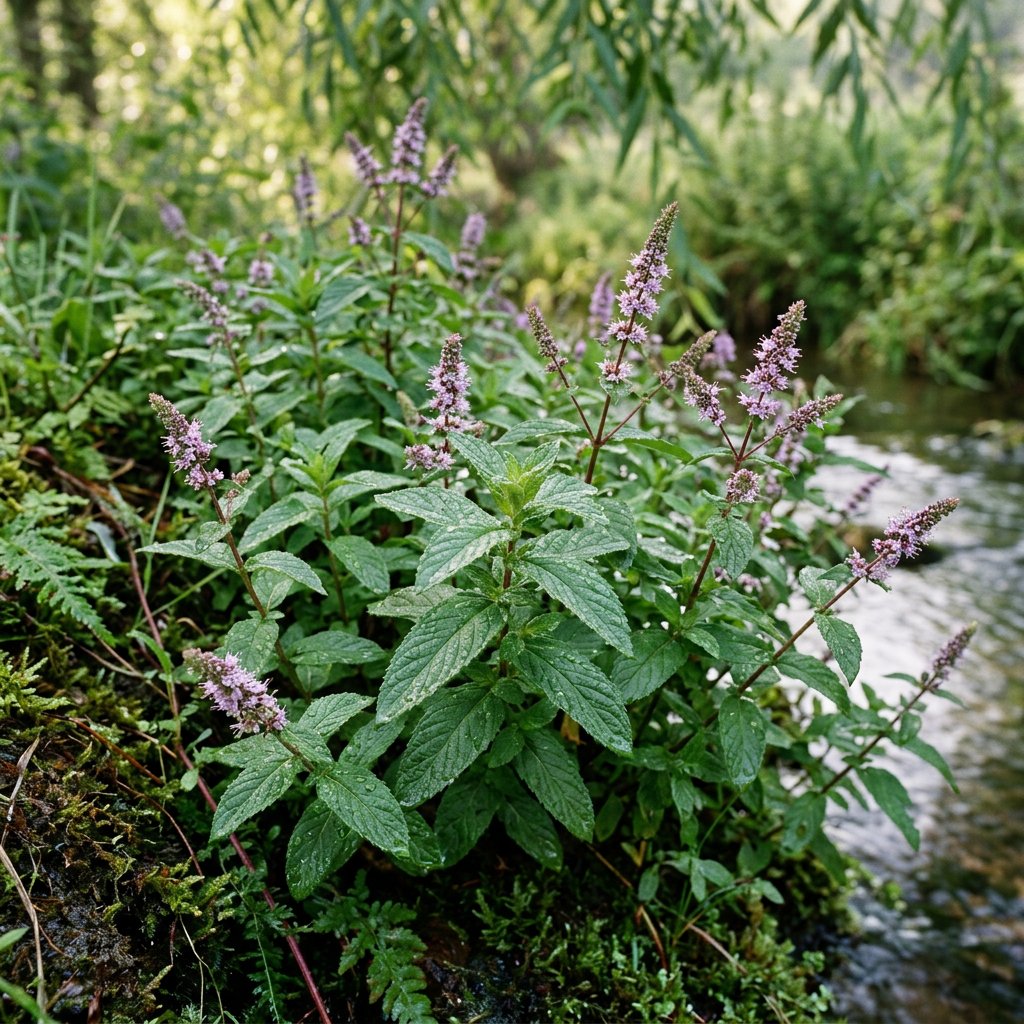
- 🌿 Square Stems: Like all members of the mint family, its stems are distinctly four-sided; they are often smooth and may tinged with a deep reddish-purple hue.
- 🍃 Lancelike Leaves: The leaves are dark green, sharply pointed, and feature heavily serrated (toothed) edges with noticeable veins.
- 🌸 Purple Spikes: During mid-to-late summer, it produces small, lilac-pink flowers that cluster together in thick, blunt terminal spikes at the top of the stems.
🏡 In Your Garden
- 🏃 The Great Escapist: Peppermint spreads aggressively via underground runners called rhizomes. To prevent it from "colonizing" your entire garden, it is highly recommended to grow it in containers or sunken pots to "jail" the roots.
- 💧 Moisture Lover: While it is quite hardy, Peppermint performs best in rich, moist soil. It prefers partial shade in hotter climates, as too much direct, scorching sun can dissipate the essential oils that give the plant its signature scent and flavor.
⚠️ Safety & Toxicity
- ✅ Safe for Humans: Peppermint is generally safe for consumption and topical use in humans, though very young children should avoid strong peppermint oil near the face.
- 🐾 Pet Caution: While a quick nibble is rarely an emergency, the essential oils in peppermint can cause digestive upset in cats and dogs if consumed in large quantities. It is best kept as a "sniff but don't eat" plant for furry friends.
✨ Fun Fact
🌬️ Biological Trickery: Peppermint contains high levels of menthol, a compound that physically binds to the "cold" receptors in your sensory neurons. It doesn't actually lower the temperature of your mouth; it just tricks your brain into thinking it's freezing!

Detailed Care Instructions
To grow Mentha x Piperita, also known as peppermint, you can follow these steps:
- Choose a planting location: Peppermint plants prefer full sun to partial shade. They also require moist soil, so select a location with good drainage.
- Prepare the soil: Peppermint plants thrive in rich, loamy soil. They can tolerate a slightly acidic to slightly alkaline soil pH (6.0-7.5). If your soil is compacted or poor in quality, consider mixing in organic matter such as compost or well-rotted manure to improve the soil structure.
- Start from seeds or cuttings: You have two options for propagating peppermint plants. You can either start from seeds or take cuttings from an existing plant. If starting from seeds, sow them in small containers or seed trays indoors, 8-10 weeks before the last frost date. If taking cuttings, select healthy stems and root them in water or potting soil.
- Transplanting: Once the seedlings have grown to a suitable size or the cuttings have developed roots, choose a spacing of about 18-24 inches between plants. Transplant them into the prepared soil, making sure to keep the crown of the plant level with the soil surface.
- Watering: Peppermint plants require regular watering to keep the soil consistently moist. Be careful not to overwater, as this can lead to rotting. A layer of mulch around the plants can help to retain moisture.
- Fertilizing: Peppermint plants generally do not require heavy fertilization. However, you can apply a balanced, slow-release fertilizer in early spring and again in mid-summer to provide necessary nutrients.
- Pruning: Regular pruning helps to promote bushier growth and prevent the plant from becoming leggy. Pinch off the tips of the plant regularly to encourage branching and increase the production of essential oils.
- Harvesting: You can begin harvesting peppermint leaves once the plant has become established. Cut the stems just above a leaf node (where the leaf meets the stem) to encourage new growth. Harvesting can be done throughout the growing season, but it's best to gather leaves before the plant flowers for the most potent flavor.
Remember to keep an eye out for common pests like aphids or spider mites and take appropriate measures to control them if necessary. Enjoy your homegrown peppermint!

Place in a bright room that is sun drenched almost all day. Or directly in a south-facing window.
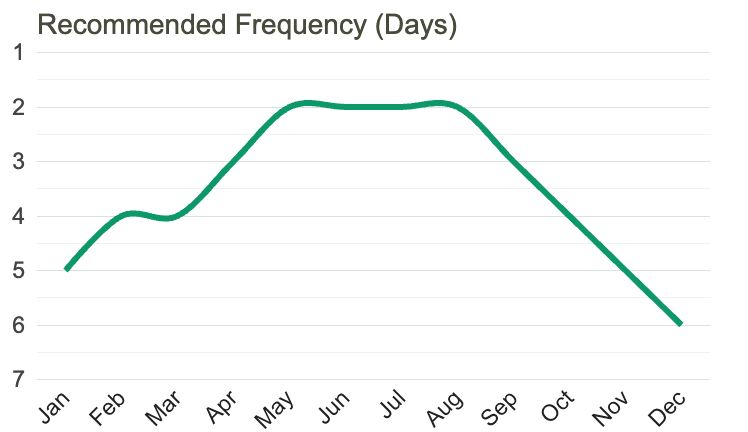
To properly water this plant, make sure to check the soil moisture level before watering to prevent overwatering. The type of soil and the container size can affect the frequency of watering. Generally, it is recommended to water when the top inch of soil feels dry. Use room temperature water and pour it slowly near the base of the plant until water comes out of the drainage holes. Avoid getting water on the foliage as this can lead to fungal diseases. In arid climates or during hot weather, the plant may require more frequent watering.
To fertilize this plant, use a balanced fertilizer that contains equal parts of nitrogen, phosphorus, and potassium. Apply the fertilizer to the soil around the plant once a month during the growing season, which usually starts in spring and ends in fall. Avoid overfertilizing, as it can cause the plant to grow too quickly and become prone to diseases and pests. Water the plant deeply after applying fertilizer to help the nutrients reach the roots.
The optimum soil for Mentha X Piperita is fertile, well-draining, and slightly acidic. It should contain a balance of organic matter and minerals, including nitrogen, phosphorus, and potassium. The soil should be moist, but not waterlogged, as excessive water can lead to root rot. A pH level of 6.0-7.0 is most suitable for this plant. The soil texture should be moderately rich with plenty of humus and moisture retention capacity. It is recommended to add compost or well-rotted manure to the soil to improve its fertility if necessary. Additionally, adding a high-quality, slow-release fertilizer to the soil before planting can promote faster and healthy growth of the plant.
To propagate this plant, take a cutting from a stem of the mature plant using a clean, sharp blade. The cutting should be around 4-6 inches in length. Strip the bottom leaves from the stem, leaving 1-2 sets of leaves near the top. Dip the cut end in rooting hormone powder and plant it in well-draining soil or potting mix.
Keep the soil moist and place the cutting in a location with indirect sunlight and moderate temperature. After a few weeks, the cutting should develop roots and start growing. Once the new plant has established itself, it can be transplanted into a larger pot or outdoors.
To ensure a successful propagation, avoid taking cuttings from diseased or weak plants and make sure to keep the new cutting in a suitable environment with proper watering and light.
Common pests of the peppermint include Spider mites, fungus gnats, aphids, thrips, whiteflies. Make a habit of checking your peppermint frequently for pests so that any infestations can be caught and managed early.








