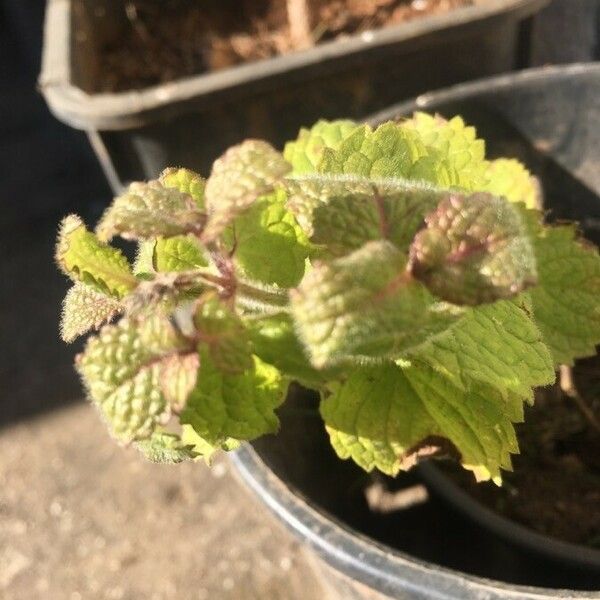
Plant Overview
The soul of the Mojito! Often called "Cuban Mint" or "Large Apple Mint," Mentha x villosa is a natural hybrid between Spearmint and Apple Mint. It offers a milder, warmer, and more citrusy profile than the sharp "icy" bite of Peppermint, making it the world's most sought-after herb for refreshing summer cocktails and Mediterranean salads.
🔍 How to Identify
- 🍃 Velvety Texture: The leaves are "villous" (the Latin root for its name), meaning they are covered in soft, fine hairs that give the plant a fuzzy, matte appearance compared to the shiny leaves of Spearmint.
- 🌱 Rounded Shape: Unlike the narrow, lance-like leaves of many mints, these leaves are broadly ovate or heart-shaped with gentle serrations along the edges.
- 🌸 Foxtail Blooms: During the summer, the plant produces tall, tapering spikes of tiny lilac or pale purple flowers that look like fuzzy wands at the ends of the stems.
🏡 In Your Garden
- 🪴 The Escape Artist: This plant grows via "runners" (underground rhizomes) that can travel several feet in a single season. To prevent it from colonizing your entire yard, it is highly recommended to grow it in a submerged pot or a standalone container.
- ☀️ Sun & Hydration: While it loves the sun to develop its essential oils, it is prone to wilting in dry soil. It thrives best in "bright dampness"—give it plenty of water and a bit of afternoon shade if you live in a scorching climate.
⚠️ Safety & Toxicity
- 🐾 Pet Warning: While safe for human consumption, Mentha x villosa contains essential oils that are toxic to dogs, cats, and horses if eaten in large amounts. It can lead to vomiting or diarrhea in curious pets.
- 👶 Skin Sensitivity: The high concentration of menthol in the leaves is generally safe to touch, but those with very sensitive skin might experience mild irritation if the sap is rubbed directly onto the skin in bright sunlight.
✨ Fun Fact
In Cuba, this specific mint is known as Hierba Buena (the "Good Herb"). While many people use standard Spearmint for their drinks, connoisseurs insist that only Mentha x villosa provides the authentic, muddled sweetness that defines a true Havana-style Mojito.

Detailed Care Instructions
To grow Mentha X Villosa plant, also known as woolly mint, follow these steps:
- Choose a suitable location: Mentha X Villosa plant thrives in full sun to partial shade. Select a location that receives at least 6 hours of sunlight per day.
- Prepare the soil: The plant prefers moist, well-draining soil. Dig the soil and remove any weeds or debris. Add organic matter like compost or well-rotted manure to improve the soil quality.
- Planting: Purchase Mentha X Villosa plant seedlings or obtain cuttings from an established plant. Dig holes in the prepared soil, keeping a distance of about 12-18 inches between each hole. Place the seedling or cutting into the hole and cover it with soil.
- Watering: Water the plants immediately after planting and keep the soil consistently moist, but not waterlogged. Avoid overwatering, as excessive moisture can rot the roots.
- Fertilization: Apply a balanced liquid fertilizer or slow-release granular fertilizer in the spring and mid-summer to provide essential nutrients to the plant. Follow the package instructions for application rates.
- Mulching: Apply a layer of organic mulch, such as wood chips or dried leaves, around the base of the plant. Mulching helps to retain soil moisture and suppresses weed growth.
- Maintenance: Trim the plant regularly to encourage bushier growth and prevent it from becoming leggy. Pinch off the top 1-2 inches of the stems to promote branching.
- Harvesting: Typically, Mentha X Villosa plant is harvested in late summer. You can pinch off individual leaves or cut whole stems as needed. Use the leaves fresh for culinary purposes or dry them for later use.
- Pest and disease control: Keep an eye out for common garden pests like aphids or spider mites. If necessary, use organic insecticidal soap or neem oil to control pest infestations. Additionally, ensure good air circulation around the plants to prevent fungal diseases.
Remember that Mentha X Villosa plant can be invasive as it spreads rapidly through underground runners. If you want to contain the plant, consider growing it in pots or containers.

Place in a bright room that is sun drenched almost all day. Or directly in a south-facing window.

To successfully water Mentha X Villosa plant, follow the guidelines below:
1. Observe the soil moisture: Check the moisture level of the soil regularly by sticking your finger about an inch deep into the soil. Ensure it is dry before proceeding with watering.
2. Watering frequency: Mentha X Villosa plants generally prefer consistently moist soil, so water them regularly. Aim for a watering frequency of 2-3 times per week, adjusting as necessary based on your specific environment and climate conditions.
3. Watering method: Avoid overhead watering as moist leaves can invite diseases and fungal problems. Instead, opt for a targeted watering approach, ensuring the water reaches the soil directly.
4. Watering amount: Provide a thorough watering session each time, allowing the water to penetrate the soil deeply. Aim to moisten the top layer of soil up to a depth of at least 3-4 inches, promoting healthy root growth.
5. Drainage: It is crucial to ensure proper drainage for Mentha X Villosa plants to avoid waterlogging, which can lead to root rot. Always plant them in a well-draining soil mix and make sure the pot or container has drainage holes to allow excess water to escape.
6. Watering technique: Consider using a watering can or a gentle stream from a hose to water the plant slowly and evenly. This ensures that the water is adequately absorbed by the soil rather than quickly running off the top layer.
7. Environmental considerations: Factors such as weather conditions, temperature, humidity, and sunlight exposure can affect the watering needs of Mentha X Villosa plants. Take these factors into account and adjust your watering schedule accordingly.
Remember that these are general guidelines, and it's important to observe your plant's specific needs closely. Regularly check the soil moisture and monitor the overall health of your Mentha X Villosa plant to determine the most suitable watering routine.
To properly fertilize your Mentha X Villosa plant, follow these instructions:
- Select a balanced, water-soluble fertilizer with equal amounts of nitrogen (N), phosphorus (P), and potassium (K). Look for a ratio such as 10-10-10 or 20-20-20.
- Determine the appropriate amount of fertilizer based on the package instructions, usually given per gallon or liter of water.
- Fill a watering can or container with the recommended amount of water. Use non-chlorinated water if possible, as some plants are sensitive to chlorine.
- Gradually add the measured fertilizer to the water, stirring gently until it dissolves completely.
- Apply the fertilizer solution to the soil around the base of your Mentha X Villosa plant. Avoid getting the solution on the leaves or stems, as it may cause burns or damage.
- Water the plant immediately after fertilizing to help the nutrients seep into the soil.
- Repeat the fertilization process every four to six weeks during the growing season, generally from spring to fall. Adjust the frequency and dosage as needed, keeping in mind the plant's specific requirements.
- Monitor the plant closely for any signs of overfertilization, such as wilting, leaf burn, or discoloration. If any issues occur, reduce the fertilizer dosage or frequency and water the plant thoroughly to flush out excess nutrients.
- During the dormant phase in winter, withhold fertilization as the plant's growth slows down or stops.
Remember to always read and follow the instructions provided on the fertilizer packaging. Additionally, consult specific care guides or seek advice from local gardening experts for optimum fertilization practices tailored to your Mentha X Villosa plant.
When selecting soil for Mentha X Villosa plants, it is important to consider certain characteristics to provide the optimal growing conditions. The soil should be well-draining, ensuring that excess water can easily flow through and prevent waterlogged conditions that can harm the plants' roots. Additionally, a sandy or loamy texture is preferred to promote good aeration and prevent compaction.
To provide adequate nutrition to Mentha X Villosa plants, the soil should be rich in organic matter, which promotes healthy growth and enhances microbial activity in the root zone. Compost or well-rotted manure can be added to increase the organic content. This will also help retain moisture and prevent the soil from drying out too quickly.
Maintaining a slightly acidic to neutral pH range of around 6.0-7.5 is beneficial for these plants. You can test the pH of the soil using a testing kit available at garden centers or through a soil laboratory analysis. Adjust the pH level if necessary by adding amendments like lime to raise pH or sulfur to lower it.
Remember that Mentha X Villosa plants have a spreading habit, so it is essential to provide adequate space in the soil bed to accommodate its growth. This can help prevent overcrowding and promote better air circulation, reducing the risk of diseases or fungal infections.
Lastly, regular monitoring of the soil's moisture level is crucial. Mentha X Villosa plants prefer consistently moist soil, but not waterlogged conditions. To ensure proper watering, check the moisture content by inserting your finger or a moisture meter into the soil. Water the plant when the top inch of soil feels dry, but avoid overwatering as it can lead to root rot.
In summary, for optimal growth of Mentha X Villosa plants, choose well-draining soil with a sandy or loamy texture, rich organic matter content, slightly acidic to neutral pH, and ensure consistent moisture levels.
Mentha X villosa, a perennial herb, can be propagated through several methods such as division, stem cuttings, and seed propagation. Here's a detailed guide on how to propagate this plant:
- Division:
- Choose a well-established Mentha X villosa plant that has been growing for at least a couple of years.
- Carefully dig around the plant to unearth its root ball.
- Gently separate the root ball into smaller sections, ensuring that each division has some healthy roots and shoots.
- Replant each division in a suitable and prepared location, ensuring that the soil is well-draining and fertile.
- Water the newly planted divisions thoroughly and provide appropriate care to encourage healthy growth.
- Choose a well-established Mentha X villosa plant that has been growing for at least a couple of years.
- Stem Cuttings:
- Select a healthy Mentha X villosa plant and identify a stem that is around 4-6 inches long.
- Using a clean, sharp knife or scissors, cut the stem just below a node (a point where leaves emerge).
- Remove the lower leaves from the stem, leaving only a few leaves at the top.
- Optionally, dip the cut end of the stem in a rooting hormone powder or gel to enhance root development (this step is optional but can improve success rates).
- Prepare a pot or container filled with a well-draining rooting medium, such as a mixture of perlite and peat moss.
- Make a small hole in the rooting medium and insert the stem into it, ensuring that at least one node is buried in the soil.
- Place the pot in a location with bright, indirect light and maintain a warm, humid environment.
- Mist the cutting regularly to keep the humidity high and prevent it from drying out.
- After a few weeks, roots should start to develop. At this point, you can transplant the cutting into a larger container or into the ground.
- Select a healthy Mentha X villosa plant and identify a stem that is around 4-6 inches long.
- Seed Propagation:
- Collect mature seeds from a Mentha X villosa plant.
- Fill trays or pots with a moist, well-draining seed-starting mix.
- Sow the seeds on the surface of the soil and lightly press them into the mix.
- Cover the tray or pot with a clear plastic cover or plastic wrap to maintain humidity.
- Place the tray or pot in a warm location with indirect sunlight.
- Keep the soil consistently moist but not waterlogged.
- Germination should occur within a couple of weeks.
- Once the seedlings have developed a few sets of true leaves, you can transplant them into larger pots or into the ground.
Remember to provide proper care, including adequate water, sunlight, and soil conditions, as Mentha X villosa plants prefer moist, well-drained soil and full to partial sun exposure. Regularly monitor their growth, control weeds, and protect them from pests to ensure successful propagation and healthy plant development.
- Collect mature seeds from a Mentha X villosa plant.
Common pests of the apple mint include Spider mites, fungus gnats, aphids, thrips, whiteflies. Make a habit of checking your apple mint frequently for pests so that any infestations can be caught and managed early.








