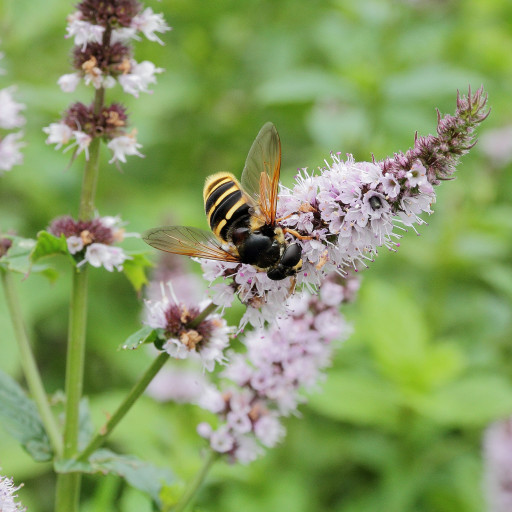
Plant Overview
Known as the "Cooling Herb" of the garden, the Mentha genus is a collection of aromatic powerhouses steeped in Greek mythology. Legend says the nymph Minthe was transformed into this lowly plant by a jealous Persephone, intended to be stepped on forever—only for Hades to bless the plant with a sweet, refreshing scent so she would always be remembered. Today, mint is the ultimate multi-tasker, prized by gardeners for its resilience and by chefs for its sharp, invigorating flavor.
🔍 How to Identify
- 🌿 Square Stems: A hallmark of the Lamiaceae family, if you roll a mint stem between your fingers, you will feel four distinct corners rather than a round shape.
- 🍃 Opposite Leaves: The foliage is typically textured, bright green, and grows in pairs directly across from one another along the stem.
- 👃 The Scent Test: The most reliable identifier is the aroma. Crushing a leaf releases a burst of menthol or spearmint oils that is unmistakable and instantly cooling to the skin.
🏡 In Your Garden
- 🪴 The Great Conqueror: Mint is famous for being "invasive" because it spreads via aggressive underground runners called rhizomes. To prevent it from taking over your entire lawn, it is highly recommended to grow it in pots or "sunken" containers to keep the roots contained.
- 💧 Moisture Seeker: Unlike many other herbs that prefer dry soil, mint thrives in damp, rich environments. It is a "telltale" plant—if it’s thirsty, it will wilt dramatically, but it usually bounces back within an hour of being watered.
⚠️ Safety & Toxicity
- ✅ Human-Safe: Generally considered safe and beneficial for human consumption, often used to soothe digestion or flavor drinks.
- 🐾 Toxic to Pets: While humans love it, the concentrated essential oils in mint (specifically Peppermint) can be toxic to dogs, cats, and horses if ingested in large quantities, potentially causing vomiting or diarrhea.
- 🧤 Skin Sensitivity: Highly sensitive individuals may experience mild skin irritation (dermatitis) when handling large amounts of the plant or its concentrated oils.
✨ Fun Fact
Ancient Romans used mint to freshen their breath and rubbed it on their banquet tables to welcome guests. They also believed that eating mint would increase their intelligence, leading many scholars to wear mint wreaths during intense study sessions!

Detailed Care Instructions
Mint grows best in partial shade. It can tolerate morning sun, but strong afternoon sun can wilt the foliage.
Are mint plants easy to care for?
Mint plants require little maintenance to keep them healthy and vigorous.
How fast does mint grow?
Mint grows quickly, reaching a harvestable size from seed in about two months.
To grow a Mentha plant, you can follow these steps:
- Choose the right location: Mentha plants prefer a sunny to partially shaded location with well-drained soil.
- Obtain the plant: You can either purchase young Mentha plants from a local nursery or start them from seeds.
- Planting in pots: If you plan to grow Mentha in pots, make sure the pot has drainage holes and use a well-draining potting mix.
- Planting in the ground: If planting directly in the ground, loosen the soil and remove any weeds. Amend the soil with organic matter if needed.
- Planting process: Dig a hole slightly larger than the plant's root ball and place the plant into the hole, ensuring the top of the root ball is level with the soil surface.
- Watering: Water the plant thoroughly after planting and keep the soil consistently moist but not waterlogged. Mentha plants require regular watering, especially during dry spells.
- Fertilizing: Mentha plants benefit from monthly applications of a balanced fertilizer during the growing season.
- Mulching: Apply a layer of organic mulch around the plants to help retain moisture, suppress weeds, and regulate soil temperature.
- Pruning: Regularly pinch off the tips of the plant to promote bushier growth and prevent it from becoming leggy. Pruning also helps to prevent the plant from flowering too early, which can negatively impact the flavor.
- Harvesting: Mentha plants can be harvested once they have grown to a sufficient size, typically after a couple of months. Harvest by cutting the stems just above a leaf node, leaving the rest of the plant to continue growing.
- Overwintering: In colder climates, Mentha plants can be brought indoors during winter or protected with a layer of mulch to help them survive the frost.
By following these steps, you can successfully grow a Mentha plant.

Place in a bright room that is sun drenched almost all day. Or directly in a south-facing window.

1. Choose a well-draining pot with drainage holes at the bottom to avoid waterlogging the roots.
2. Water the plant thoroughly once a week or when the top layer of soil feels dry to the touch.
3. Pour water into the soil slowly, allowing it to penetrate to the roots without flooding the surface.
4. Water only the base of the plant, avoiding the leaves to prevent fungal diseases.
5. If the leaves start to wilt or turn brown, it may be a sign of overwatering or underwatering, so adjust the watering schedule accordingly.
6. During the summer months, increase the frequency of watering to twice a week to prevent the soil from drying out.
7. Avoid watering the plant in the late afternoon or evening to reduce the risk of fungal growth.
- Start by preparing the soil. Ensure you have rich, well-draining soil with the appropriate pH level.
- Apply a nitrogen-rich fertilizer to the soil in the early spring before planting to boost initial growth.
- For established plants, fertilize every six weeks during the growing season. Use a balanced fertilizer with the right N-P-K ratio.
- Avoid overfertilizing to prevent burning the plants' roots. Follow the recommended rates on the package.
- Consider using organic fertilizers like compost or fish emulsion for sustainable growth.
- Water the Mint plant after fertilizing to help dissolve the nutrients and ensure they reach the plant's roots.
The soil for Mentha plants should be well-draining with a pH level ranging from 6.0 to 7.0. It should be enriched with organic matter and nutrients such as nitrogen, phosphorus, and potassium. Additionally, the soil should be moist but not waterlogged. It is recommended to use a soil mix that contains peat moss, perlite, and vermiculite for optimum growth.
To propagate this plant, you will need to take stem cuttings from the parent plant. The best time to do this is during the spring or early summer when the plant is actively growing. Select a healthy stem that is about 6 to 8 inches long and has several sets of leaves. Cut the stem just below a node using a clean, sharp pair of scissors or pruning shears. Remove the lower leaves from the stem, leaving only a few sets of leaves at the top.
Prepare a small container with a well-draining soil mix. Moisten the soil and make a hole in the center big enough to fit the stem cutting. Dip the cut end of the stem into rooting hormone powder and tap off any excess. Place the stem cutting into the hole in the soil, making sure that at least two sets of leaves are above the surface of the soil.
Cover the container with a plastic bag or clear plastic wrap to create a mini greenhouse and place it in a warm, bright location out of direct sunlight. Check the soil regularly and water as needed to keep it moist but not soggy. After several weeks, new growth should appear, indicating that the cutting has rooted. Once the plant is established, you can transplant it into a larger pot or outdoor garden bed.







