Plant Overview
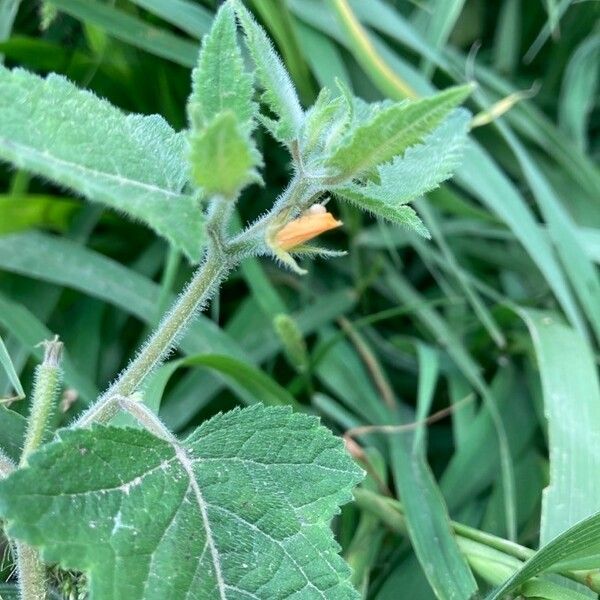
Known as the Tropical Blazing Star or more playfully, the Poor Man’s Patch, Mentzelia aspera is a resilient traveler of the plant world. Native to the warmer regions of the Americas, it is famous for its "Velcro-like" leaves that cling stubbornly to anything that brushes past. While its delicate orange flowers look fragile, this plant is a rugged survivor often found thriving where others struggle.
🔍 How to Identify
- 🌼 The Blooms: Features small, five-petaled flowers that range from a bright sunshine yellow to a deep, burnt orange. They usually open in response to specific light conditions, often showing off in the afternoon.
- 🍃 The "Sticky" Leaves: The lance-shaped, serrated leaves are covered in microscopic, hooked hairs (trichomes). These act like natural hooks, making the foliage feel rough and allowing it to "stick" to fabric or fur.
- 📍 The Seed Pods: After flowering, it produces narrow, cylindrical fruit capsules that are just as "grabby" as the leaves, ensuring its seeds are carried far and wide by passing animals.
🏡 In Your Garden
- ☀️ Sun-Seeker Nuance: This plant is a specialist in "disturbed" soil. In a garden setting, it thrives in rocky, well-draining spots where other plants might dry out. It’s a great candidate for a xeriscape or a wilder "native" corner.
- 🌱 The Hitchhiker Habit: Because it spreads by sticking to clothing and pets, be mindful of where you plant it. It’s best kept away from high-traffic pathways unless you enjoy picking leaves off your socks after a stroll!
⚠️ Safety & Toxicity
- 🌵 Mechanical Irritant: While Mentzelia aspera is not considered chemically toxic to humans or common household pets, it is a "mechanical" irritant.
- 🧤 Skin Protection: The microscopic hooks can cause a scratchy, uncomfortable sensation on sensitive skin or tongues. If you have curious pets with long fur, the seed pods can become painfully tangled and may require clipping out.
✨ Fun Fact
The "stickleaf" family (Loasaceae) is so effective at clinging that their microscopic hair structures served as a biological inspiration for early designs of mechanical fasteners and adhesives. They were using "hook and loop" technology millions of years before humans invented Velcro!

Detailed Care Instructions
To grow Mentzelia aspera, also known as desert blazingstar or devil's sticktight, follow these steps:
- Planting: Choose a suitable location with well-draining soil and full sun exposure. Mentzelia aspera is native to arid regions, so it prefers sandy or rocky soil. It can also adapt to clay-based soil if it is not overly compacted. Sow the seeds directly in the ground in early spring after the last frost date. Alternatively, you can start the seeds indoors 4-6 weeks before the last frost date and then transplant the seedlings outdoors.
- Soil preparation: Before planting, loosen the soil to a depth of about 8-10 inches and amend it with organic matter, like compost, to improve drainage and nutrient content.
- Watering: Mentzelia aspera has low to moderate water requirements. Water the plants deeply once a week, allowing the soil to dry out between waterings. Avoid overwatering, as it can lead to root rot.
- Fertilization: Mentzelia aspera is a hardy plant that doesn't require much fertilization. However, you can apply a balanced slow-release fertilizer during the growing season to provide a nutrient boost. Follow the manufacturer's instructions for dosage.
- Mulching: Apply a layer of organic mulch around the base of the plants to help retain soil moisture and suppress weed growth. Avoid covering the stems or crowns of the Mentzelia plants to prevent rotting.
- Pruning and grooming: Mentzelia aspera doesn't require much pruning. However, you can remove any dead or diseased stems to maintain the plant's health and appearance. Remove spent flowers to encourage more blooms.
- Pests and diseases: Mentzelia aspera is relatively resistant to pests and diseases. However, keep an eye out for common issues like aphids or powdery mildew. If necessary, treat with insecticidal soap or an appropriate fungicide according to the instructions.
- Propagation: Mentzelia aspera can be propagated by collecting seeds from the mature seed capsules in late summer or early fall. Store the seeds in a cool, dry place until you are ready to sow them the following spring.
By following these steps, you can successfully grow Mentzelia aspera and enjoy its unique and beautiful flowers in your garden.

Watering Mentzelia Aspera plant requires frequent and consistent watering. It is recommended to water the plant deeply, as the roots need enough moisture to thrive. The soil around the plant should be kept moist, but not waterlogged, as excessive moisture can lead to fungal diseases. The plant should be watered at regular intervals, especially during hot and dry weather conditions. One effective watering method is to use a drip irrigation system which delivers water directly to the plant's root system. Additionally, ensure that the plant receives proper drainage by planting it in well-drained soil and using a container with drainage holes if growing indoors. Finally, it is essential to monitor the plant's water needs by observing the soil's moisture level and adjusting the watering schedule accordingly.
To fertilize this plant, you should use a balanced, slow-release fertilizer with an NPK ratio of 10-10-10. Apply the fertilizer once a month during the growing season, which is typically from spring to fall. Be sure to follow the instructions on the fertilizer package carefully, and water the plant thoroughly after fertilizing. Avoid over-fertilizing, as this can lead to burned or damaged roots.
The ideal soil for Mentzelia Aspera plant is a well-draining soil that is rich in nutrients. A mix of sandy and loamy soil is preferred as it allows for good drainage and aeration while also retaining moisture. It is also important that the soil pH is slightly acidic to neutral (6.0-7.0) for healthy growth. Organic matter such as compost can also be added to the soil to help improve its fertility. When planting, ensure that the soil is loosened and any weeds or debris are removed to create a healthy start for the plant.
To propagate this plant, first select a healthy stem cutting with several leaves attached. Using a clean, sharp pair of scissors or pruning shears, cut the stem at a 45-degree angle just below a node. Remove any lower leaves or buds from the stem.
Dip the cut end of the stem in rooting hormone powder, then insert it into a container filled with a well-draining soil mix. Water the soil thoroughly, but do not saturate it.
Cover the container with a plastic bag to create a greenhouse-like environment and place it in a spot with bright, indirect light. Mist the cutting and check regularly for signs of growth.
Once the plant has established roots and new growth appears, gradually acclimate it to brighter light and drier conditions. After several weeks, transplant it into a larger container or outdoors in a location with full sun and well-draining soil.








