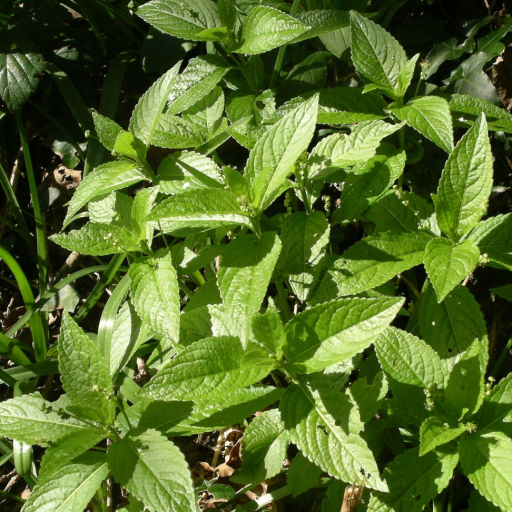
Plant Overview
Known as Dog’s Mercury, this ancient woodland dweller is often one of the first signs of life on the forest floor in early spring. While its tiny green flowers are modest, its ability to form lush, emerald carpets under the dense canopy of beech and oak trees has earned it a permanent place in European folklore. The "Dog" prefix in its name was historically used to denote something "worthless" or "false," distinguishing it from the unrelated but edible "Good King Henry" plant.
🔍 How to Identify
- 🍃 Opposite Leaves: The leaves grow in pairs directly opposite each other along the stem. They are pointed, oval-shaped, and have noticeably serrated (toothed) edges.
- 🌿 Rough Texture: Both the stems and the leaves are covered in fine, downy hairs, giving the plant a slightly rough or bristly feel when touched.
- 🎋 Discrete Flowers: This is a "dioecious" plant, meaning male and female flowers grow on separate plants. Look for tiny, greenish-yellow spikes (male) or small, hidden green clusters (female) appearing between late winter and spring.
🏡 In Your Garden
- 🌳 Ancient Woodland Indicator: If you find this growing naturally in your garden or a nearby park, it’s a strong sign that the land has been wooded for centuries. It spreads via underground rhizomes, creating dense colonies that outcompete smaller weeds in deep shade.
- 🌑 Shade Specialist: Unlike most garden plants that crave the sun, Dog's Mercury thrives in "deep gloom." It is perfect for those awkward, damp corners under large trees where grass refuses to grow, provided you don't mind its poisonous nature.
⚠️ Safety & Toxicity
- 🚫 Highly Toxic: All parts of the plant are poisonous. It contains mercurialine and saponins which can cause severe gastric distress if ingested.
- 🐕 Pet & Livestock Warning: It is particularly dangerous to cattle, sheep, and household pets. While most animals avoid it due to its unpleasant smell when crushed, dried plants mixed in hay can still be toxic.
- 🖐️ Skin Irritation: Some people report mild skin irritation after handling the sap, so wearing gloves is recommended if you are thinning out a patch.
✨ Fun Fact
Despite being highly toxic to eat, Dog’s Mercury was once used to create dyes. Depending on the process used, it could produce a fine blue pigment or a vivid yellow, though the colors were notoriously difficult to "fix" to fabric permanently.

Detailed Care Instructions
| Lighting | Full Sun |
| Hardiness Zones | 4A - 8B |
To grow Mercurialis Perennis, also known as Dog's Mercury, you should follow these steps:
- Choose a suitable location: Dog's Mercury prefers shady and damp areas, such as deciduous woodlands or along streams and shady borders. Ensure that the soil is rich in organic matter and has good drainage.
- Sow seeds: Collect ripe seeds from existing plants or purchase them from reliable seed suppliers. Sow the seeds in early spring or early autumn, as they require a period of cold stratification. The seeds need to be exposed to cold temperatures for a few weeks before they start germinating.
- Prepare the soil: Clear the area of weeds, rocks, and debris. Loosen the soil and remove any other plants that could compete with Dog's Mercury for nutrients and moisture. Add compost or well-rotted manure to enrich the soil.
- Sow the seeds: Scatter the seeds on the prepared soil and gently press them into the ground. You don't need to bury them deeply.
- Watering and maintenance: Keep the soil consistently moist but not waterlogged. Water the area regularly, especially during dry spells. Once the plants are established, they should require minimal care. However, continue to monitor and control any competing weeds.
- Propagation: Dog's Mercury can also be propagated by dividing mature clumps in spring or autumn. Dig up the clump, separate the sections, and replant them in suitable locations.
- Wildlife benefits: Dog's Mercury provides shelter and food for various insects and animals, making it a valuable addition to any wildlife garden or naturalistic planting scheme.
Note: While Dog's Mercury is a native plant in some regions, it can be invasive and aggressive in others. Make sure to check local invasive species lists or consult with local gardening experts to ensure it is suitable for your area and won't harm native plants or ecosystems.

Place in a window with dappled sun or a spot in the middle of a room. Or directly in a window facing west or east.

To properly water this plant, you should first identify its soil moisture requirements. This can be done by observing the plant and checking the soil regularly. It is important not to overwater or underwater the plant, as both can harm its growth and health.
When watering, use room temperature water and aim to water the soil directly. Avoid getting the leaves wet, as this can lead to fungal growth and disease. Water the plant when the top layer of soil feels dry to the touch, but do not let the soil completely dry out.
It is also important to ensure good drainage to prevent water from sitting in the bottom of the pot, which can lead to root rot. If the plant is in a container, make sure it has drainage holes and use a well-draining potting mix.
Overall, the key to properly watering this plant is to find a balance between keeping the soil moist without overwatering.
To fertilize this plant, you should use a balanced fertilizer with equal amounts of nitrogen, phosphorus, and potassium. Apply the fertilizer once every three to four weeks during the growing season. Be careful not to over-fertilize, as this can harm the plant. Always follow the instructions on the fertilizer package and water the plant thoroughly after fertilizing.
Mercurialis Perennis plant prefers a rich, well-draining soil that is loamy and slightly acidic in nature. The soil should be moist but not waterlogged and should have good fertility. It is best to use a soil mix that contains organic matter such as compost, leaf mold, or peat moss to provide nutrients and improve soil structure. Additionally, the soil should be aerated to ensure good root growth and drainage. Avoid using heavy clay soils, which can inhibit root development and cause waterlogging. Amend the soil as necessary to achieve the desired nutrient and pH levels.
Mercurialis Perennis plants can be propagated through stem cuttings during the spring or summer seasons. To propagate, select healthy stems from the plant and cut them at a length of 10-15 cm. Remove the leaves from the lower half of the cuttings and dip the cut ends in rooting hormone. Plant the cuttings in well-draining potting soil and cover them with plastic to create a mini greenhouse effect. Keep the cuttings moist and in indirect sunlight until they begin to root. Once the roots have developed, plant the new plants in a larger container or in the ground.








