Plant Overview
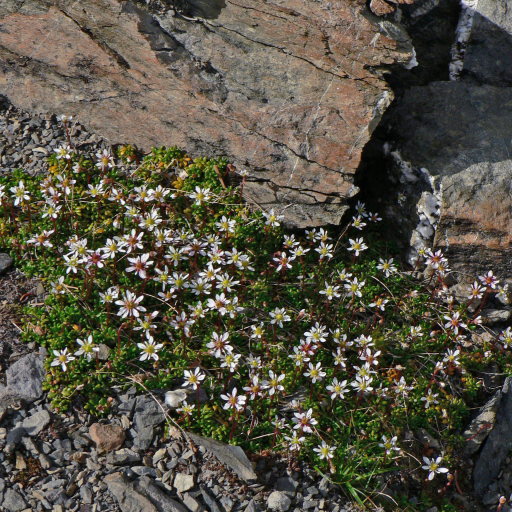
Often called Tolmie’s Saxifrage, this resilient beauty is a true mountaineer of the plant world. Found clinging to rocky ridges and snowy alpine slopes across Western North America, it looks like a miniature lush forest tucked into cracks of cold stone. Named after the explorer William Fraser Tolmie, it is a specialist in surviving where few other plants dare to grow.
🔍 How to Identify
- 🍃 Succulent Foliage: The leaves are thick, fleshy, and oval-shaped, growing in dense, low-lying mats that hug the ground to stay warm.
- 🌸 Starry Blooms: Each plant produces tiny, white, five-petaled flowers with prominent, dark-tipped stamens that look like miniature bursts of light.
- 🎨 Sun Blushing: While naturally deep green, the leaves often turn a striking reddish or purplish hue when exposed to the intense UV rays of high-altitude sun.
🏡 In Your Garden
- 🏔️ The Rock Specialist: If you are trying to grow this at home, it belongs in a rockery or an alpine trough. It requires "sharp drainage," meaning the water should flow through the soil almost instantly, mimicking its mountain scree habitat.
- ❄️ The Cool Down: This plant is not a fan of lowland heat. It thrives on cool roots and plenty of airflow. In the wild, it is often found right at the edge of melting snowbanks, which provides it with a constant, chilly "sip" of water throughout the summer.
⚠️ Safety & Toxicity
- 🟢 Safe Status: Micranthes tolmiei is generally considered non-toxic to humans, cats, and dogs.
- 🧤 Fragility Warning: While it won't hurt you, you might hurt it! Its succulent leaves are quite brittle and can snap off easily if stepped on or handled roughly. It is best treated as a "look but don't touch" botanical treasure.
✨ Fun Fact
- 🏔️ This plant is a pioneer of the peaks; it is often one of the very first species to colonize the raw, rocky debris left behind by receding glaciers, helping to build the foundation for entire mountain ecosystems.

Detailed Care Instructions
To grow Micranthes Tolmiei, also known as Tolmie's saxifrage, you can follow these steps:
- Choose a suitable location: Micranthes Tolmiei prefers a cool and moist environment, so find a spot that receives partial shade or filtered sunlight. It thrives in areas with well-draining soil.
- Prepare the soil: The soil should be rich in organic matter and slightly acidic. Add compost or well-rotted manure to improve the soil fertility and structure. You can also mix in some sand to improve drainage.
- Sow the seeds: Micranthes Tolmiei can be grown from both seeds and divisions. If you choose to sow seeds, sow them directly into the prepared soil in early spring or fall. Lightly press them into the soil but do not cover them with too much soil as they require light to germinate.
- Watering: Keep the soil evenly moist throughout the growing season. Do not allow the soil to dry out completely, but avoid overwatering, which can lead to root rot.
- Mulching: Spread a layer of organic mulch, such as wood chips or leaf litter, around the base of the plant. Mulching helps retain moisture in the soil, suppresses weed growth, and keeps the roots cool.
- Fertilization: Micranthes Tolmiei benefits from a light application of a balanced, slow-release fertilizer in early spring or mid-summer. Follow the instructions on the fertilizer package for the correct dosage.
- Pruning: Once the plant is established, you can trim back any dead or damaged foliage to maintain a neat appearance. Avoid cutting back healthy stems as the plant blooms on year-old growth.
- Division: Divide Micranthes Tolmiei every two to three years to promote healthy growth and prevent overcrowding. Lift the plant carefully from the ground, separate the clumps into smaller sections, and replant them in well-prepared soil.
- Pests and diseases: Micranthes Tolmiei is generally not prone to serious pest or disease issues. However, watch out for slugs, snails, and aphids. If necessary, use organic pest control methods or consult a local nursery or garden center for appropriate treatments.
By following these guidelines, you should be able to successfully grow Micranthes Tolmiei and enjoy its delicate beauty in your garden.

Place in a window with dappled sun or a spot in the middle of a room. Or directly in a window facing west or east.

Micranthes Tolmiei is a plant that can be watered effectively by following these methods:
1. Observe the soil: Check the moisture content of the soil before watering. Stick your finger about an inch deep into the soil to feel if it is moist or dry. This will help you determine whether watering is necessary.
2. Watering frequency: Micranthes Tolmiei typically prefers moist but well-draining soil. However, it is important not to overwater. Water the plant when the top layer of soil feels slightly dry to the touch. This might mean watering 1-2 times per week, depending on the climate and season.
3. Adequate water quantity: When watering, ensure you provide enough water to thoroughly moisten the entire root ball. Use a watering can or a hose with a gentle spray nozzle to water evenly, avoiding excessive runoff.
4. Watering technique: Aim to water the soil directly around the plant's base, rather than overhead watering the foliage. This helps prevent moisture-related issues such as leaf diseases.
5. Avoid waterlogging: It is crucial not to let the plant sit in waterlogged conditions. If the soil retains excess water, ensure proper drainage by choosing well-draining soil and using pots with drainage holes. This prevents root rot and fungal diseases.
6. Adjust watering during different seasons: During the active growing season (such as spring and summer), you might need to water more frequently to keep the soil consistently moist. In contrast, during the dormant period (such as winter), reduce the watering frequency since the plant requires less moisture.
7. Monitor environmental factors: Factors like temperature, humidity, and sunlight affect the plant's water requirements. Higher temperatures and increased exposure to sunlight may increase the plant's water needs, so monitor these factors and adjust watering accordingly.
Remember, the watering needs of Micranthes Tolmiei can vary depending on various factors. It's always advisable to closely monitor the plant's health, observe the soil moisture levels, and adjust watering practices accordingly to ensure its optimal growth.
To fertilize the Micranthes Tolmiei plant, follow these instructions:
- Choose a well-balanced, slow-release fertilizer formulated for flowering plants.
- Dilute the fertilizer according to the package instructions, typically using half the recommended strength.
- Apply the fertilizer around the base of the plant, avoiding direct contact with the foliage.
- Use a watering can or drip irrigation to evenly distribute the fertilizer in the soil.
- Water the plant thoroughly after fertilizing to help nutrients reach the roots.
- Repeat the fertilization process once every four to six weeks during the growing season, typically from spring to early fall.
- Be cautious not to over-fertilize, as excessive nutrients can harm the plant. Follow the application instructions and dosage recommendations on the fertilizer package.
Remember, it's essential to read and follow the specific instructions provided with the fertilizer you choose, as different products may have slightly different application methods and dosages.
Micranthes Tolmiei is a perennial plant that requires specific soil conditions to thrive. The ideal soil for this plant should be well-drained, loose, and rich in organic matter. It should not be excessively dry or compacted.
The soil should be slightly acidic to neutral, with a pH ranging from 5.5 to 7.0. This range provides the optimal conditions for Micranthes Tolmiei to absorb nutrients from the soil.
The plant prefers moist soil, so it is important to maintain adequate soil moisture levels. However, it is crucial to ensure proper drainage to prevent waterlogged conditions, as this can lead to root rot.
Adding organic matter such as compost or well-rotted manure to the soil before planting can greatly improve its fertility and moisture-retaining capacity. This will provide the plant with essential nutrients and promote healthy growth.
Furthermore, mulching the soil surface with organic materials like wood chips or straw can help conserve moisture and suppress weed growth, creating an optimal growing environment for Micranthes Tolmiei.
Overall, providing well-drained, slightly acidic to neutral, and nutrient-rich soil will ensure the success and healthy development of Micranthes Tolmiei.
To propagate Micranthes Tolmiei plant, you can follow these steps:
- Choose a healthy parent plant: Select a mature and healthy Micranthes Tolmiei plant from which you want to take cuttings. Ensure that the parent plant is free from any diseases or pests.
- Timing: The ideal time to propagate Micranthes Tolmiei is during the spring or early summer when the plant is actively growing.
- Prepare a cutting: Using a clean and sharp pair of scissors or pruning shears, take a 4-6 inch cutting from the parent plant. Make sure to take the cutting from a non-flowering stem.
- Remove lower leaves: Carefully remove the lower leaves from the bottom one-third of the cutting. This helps prevent the cuttings from rotting when they are planted.
- Hormone treatment (optional): You can dip the cut end of the stem into a rooting hormone powder or gel to stimulate root growth. While it is not necessary, it can enhance the chances of successful propagation.
- Plant the cutting: Fill a small pot or container with a well-draining potting mix. Make a small hole in the soil using a pencil or your finger and gently insert the cutting into it. Firmly press the soil around the base of the cutting to ensure it is secure.
- Provide suitable conditions: Place the potted cutting in a location with indirect sunlight. Maintain a temperature of around 65-75°F (18-24°C) and keep the humidity level relatively high by covering the cutting with a clear plastic bag or using a mini greenhouse.
- Watering: Moisten the soil around the cutting, taking care not to overwater it. Keep the soil consistently moist but not waterlogged. Check the moisture level regularly and add water as needed.
- Monitor growth: After a few weeks, check for signs of new growth, such as the emergence of new leaves or roots. This indicates that the cutting has successfully rooted.
- Transplanting: Once the cutting has established roots and shows significant growth, it can be gradually acclimated to its new environment. Move the cutting to a larger pot or transplant it into a suitable garden location with well-draining soil and adequate sunlight.
Remember to provide proper care and maintenance to the propagated Micranthes Tolmiei plant, including regular watering, fertilization, and protection from extreme weather conditions.








