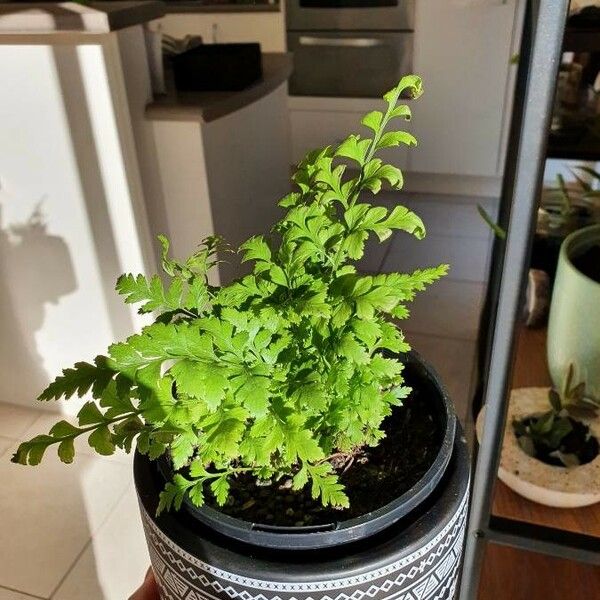
Plant Overview
Often called the Cave Fern or Shaggy Shield Fern, this lush, prehistoric-looking beauty is a favorite for those wanting to recreate a tropical jungle at home. Known for its grand, arching fronds and soft texture, it carries an air of mystery, as its name suggests its favorite wild hiding spots: the damp, shaded entrances of limestone caves and rocky ravines.
🔍 How to Identify
- 🌿 Lacy Fronds: The leaves are "tri-pinnate," meaning they are divided three times to create an incredibly delicate, lace-like appearance.
- 🧶 Shaggy Texture: Unlike many "waxy" ferns, the stems and undersides of the leaves are often covered in fine, soft hairs, giving it a slightly fuzzy or shaggy feel.
- 📐 Growth Habit: It features a creeping rhizome (an underground stem) that sends up fronds in a wide, fountain-like spray, often reaching 3 to 5 feet in height indoors.
🏡 In Your Garden
- 💧 The "Cave" Humidity: Because it naturally grows near caves, this fern craves high humidity. It is an excellent choice for a large, steamy bathroom or a spot near a humidifier.
- 🏺 Room to Roam: Since it grows from a creeping rhizome rather than a central clump, it prefers wide, shallow pots rather than deep, narrow ones. This allows the "roots" to spread horizontally.
- ⛅ Gentle Light: Its delicate, hairy leaves are prone to sunburn. It performs best in "dappled" light—think of the sun filtering through a forest canopy.
⚠️ Safety & Toxicity
- 🟢 Non-Toxic: Good news for pet owners! Microlepia speluncae is generally considered non-toxic to cats, dogs, and horses.
- 👶 General Caution: While safe, the fine hairs on the stems can occasionally cause mild skin irritation for people with very sensitive skin if handled roughly. It is always best to keep any houseplant out of reach of curious toddlers to avoid choking hazards.
✨ Fun Fact
The specific epithet speluncae is derived from the Latin word for "cave." In the wild, this fern acts as a pioneer species, often being one of the first plants to colonize the dark, moist mouths of caverns where other plants struggle to survive.

Detailed Care Instructions
| Humidity | High |
| Lighting | Part Sun |
| Difficulty | Easy |
| Temperature | Min 15°C |
| Hardiness Zones | 6A - 10B |
To grow a Microlepia speluncae plant, also known as the button fern, you can follow these steps:
- Choosing a suitable location: Select a spot with indirect or filtered light for the plant. It prefers bright but indirect light. Avoid exposing it to direct sunlight as it can scorch the leaves.
- Temperature and humidity: This fern thrives in temperatures ranging from 60-70°F (15-21°C) but can tolerate slightly warmer conditions. Keep the humidity levels up by placing the pot on a tray filled with pebbles and water or misting it regularly.
- Pot selection: Choose a pot that is slightly larger than the plant's current root system to allow for growth. Ensure the pot has drainage holes to avoid waterlogging.
- Soil: Microlepia speluncae prefers a well-draining soil mix. Use a mixture of peat moss, perlite, and regular potting soil to create a light and airy medium.
- Watering: Keep the soil slightly damp but not soggy. Water the fern when the top layer of soil feels dry to the touch. Ensure there is proper drainage to prevent overwatering.
- Fertilizer: Use a balanced liquid fertilizer diluted to half-strength once a month during the growing season (spring and summer). Avoid fertilizing in winter.
- Repotting: When the plant outgrows its pot, move it to a slightly larger one. Repotting should be done during the spring when the plant is actively growing.
- Pruning: If the fern becomes too bushy or overgrown, trim back any dead or damaged fronds to maintain its shape and appearance. Use clean, sterilized pruning shears for this task.
- Pest control: Microlepia speluncae is generally resistant to pests, but occasionally it may be affected by scale insects. Regularly inspect the plant and use insecticidal soap or a neem oil solution if any pests are detected.
- Propagation: Button ferns can be propagated by dividing the plant during repotting. Gently separate the plant into smaller sections, ensuring each section has some roots attached. Plant them in separate pots using the recommended soil mix.
By following these care instructions, you can successfully grow a Microlepia speluncae plant.

Place in a window with dappled sun or a spot in the middle of a room. Or directly in a window facing west or east.

To water this particular plant, it is important to first check the soil moisture level. One way to do this is to gently stick your finger about an inch into the soil and see if it feels dry. If the soil is dry, the plant should be watered.
When watering, it is important to thoroughly saturate the soil, but also to avoid letting the plant sit in standing water. The best way to achieve this is to water from the top and allow the excess water to drain out of the bottom of the pot or container.
It is important to not let the plant completely dry out between watering, but also to avoid over-watering, which can lead to root rot and other issues. The frequency of watering will depend on factors such as the size of the container, the potting mix used, and the humidity levels in the plant's environment.
During the growing season, when the plant is actively growing, it may require more frequent watering than during the dormant season. Additionally, if the plant is located in a bright, sunny area, it may require more water than if it is in a shadier location.
Overall, it is important to monitor the plant's moisture levels and adjust watering frequency as needed to keep the soil consistently moist, but not waterlogged.
To fertilize the Microlepia Speluncae plant, apply a balanced liquid fertilizer every two weeks during the growing season. Dilute the fertilizer according to the instructions on the package and water the plant thoroughly before and after fertilizing. Avoid over-fertilizing as this can lead to burnt leaves and stunted growth. Additionally, make sure to keep the soil moist but not waterlogged, as this can also affect the plant's growth.
Microlepia Speluncae is a plant that requires a well-draining soil mix that is rich in organic matter. The ideal soil mix for this plant should be slightly acidic, with a pH range of 5.5 to 6.5. It is recommended to mix the soil with perlite or coarse sand to improve its drainage and prevent waterlogging.
To prepare the soil for this plant, it is essential to ensure that it has enough nutrients to support its growth. Adding some organic matter such as compost, well-rotted manure, or peat moss to the soil can help provide the necessary nutrients. The soil should not be too compacted as it may impede the plant's growth.
It is also important to avoid using heavy clay soils, which can become waterlogged and lead to the plant's root rot. Similarly, soils that are too sandy can dry out quickly and may not retain enough moisture to support the plant's growth.
Overall, the soil mix for Microlepia Speluncae should be well-draining, nutrient-rich, slightly acidic, and loose enough to allow the plant's roots to grow and spread.
Microlepia speluncae can be propagated through spores. To collect spores, mature fronds should be selected and placed in a container with a lid overnight to allow spores to settle. The spores can be harvested and sowed on a moist substrate such as sphagnum moss or peat moss. The container should be covered with a plastic wrap to maintain humidity and placed in a warm, well-lit spot. Germination may take several weeks to several months. Once the young plants have developed, they can be transplanted into individual pots or directly into the soil. It is important to keep the substrate moist and provide adequate light and aeration for proper growth.








