Plant Overview
Often called the Limeberry or Small-leaved Micromelum, this elegant evergreen shrub is a hidden gem of the citrus family (Rutaceae). Native to the lush forests of Southeast Asia and Southern China, it is prized for its glossy foliage and delicate, perfume-like scent. In traditional folklore, various parts of the tree have been used for centuries as herbal remedies, earning it a reputation as a "forest pharmacy" among local communities.
🔍 How to Identify
- 🌿 The Leaves: Features glossy, deep green leaflets arranged in a staggered (pinnate) pattern along the stem. When crushed, they often release a faint, spicy citrus aroma.
- 🌼 The Flowers: Produces dense clusters of tiny, star-shaped flowers that are creamy-white or pale green. Their scent is most potent during warm evenings.
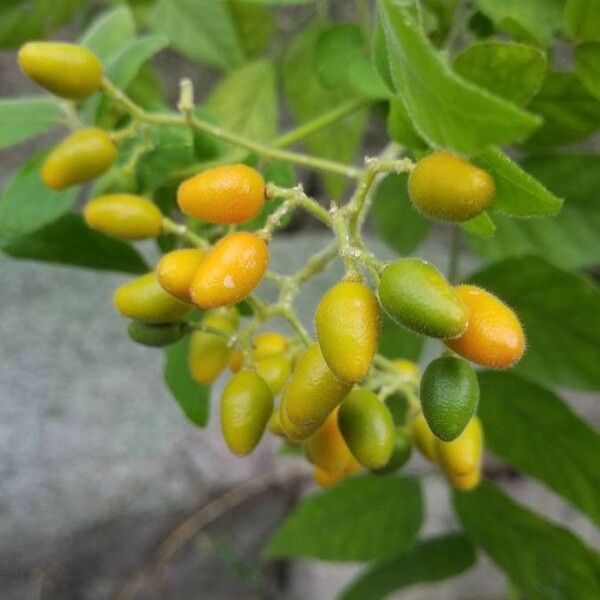
- 🍒 The Berries: Small, oval fruits that undergo a beautiful color transformation, shifting from a bright green to a vibrant orange or dull red as they ripen.
🏡 In Your Garden
- 🦋 The Butterfly Magnet: Because it belongs to the citrus family, this plant is a favorite "nursery" for Swallowtail butterflies. Expect to see vibrant caterpillars and fluttering visitors if you plant this in a sunny spot.
- 🌱 Root Stability: While it is relatively hardy, it develops a sensitive root system. It thrives best when planted in a permanent location early on, as it can be "grumpy" and drop leaves if moved or transplanted once established.
- 💧 Soil Preference: It demands "breathable" feet. Ensure your soil is rich in organic matter but drains quickly; it will not tolerate sitting in soggy, stagnant mud.
⚠️ Safety & Toxicity
- 🟢 General Status: Generally considered non-toxic to humans and common pets, though it is primarily grown for ornamental or medicinal purposes rather than as a food source.
- 👅 Bitter Defense: While the berries look inviting, they are often described as having a medicinal or bitter taste, which naturally discourages curious pets or children from eating large quantities.
- 💊 Medicinal Note: In traditional medicine, extracts are used carefully. Always consult a professional before attempting any home-made herbal applications, as concentrations can vary.
✨ Fun Fact
In many parts of Asia, the wood of the Micromelum Integerrimum is so remarkably tough and fine-grained that it was historically used to craft small tool handles and even decorative walking sticks!

Detailed Care Instructions

Place in a window with dappled sun or a spot in the middle of a room. Or directly in a window facing west or east.

When the top few inches of soil dry out, water your plants. If the top few inches of soil are still moist, do not water your plant. Wait a few days, then poke your finger into the soil to see if anything has changed. Overwatering poses a disease risk, such as the development of fungal diseases in the roots. These plants have adaptations in there leaves that allow them to survive in low water supply.








