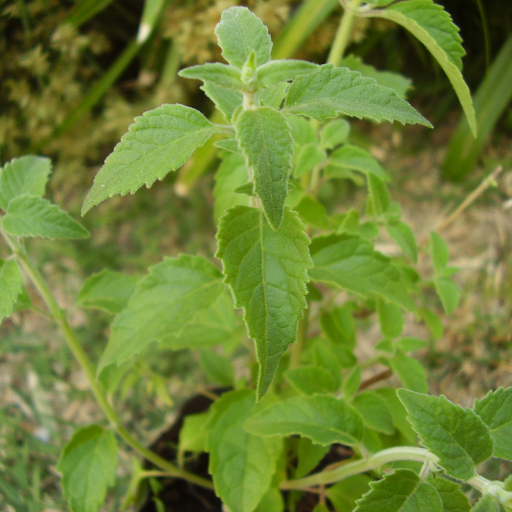
Plant Overview
Known affectionately as Peperina, this aromatic shrub is the undisputed star of the Argentine mountains. It is more than just a plant; it is a cultural icon, often used to flavor "mate" or brewed into refreshing digestive teas. While it belongs to the mint family, its scent is deeper and more complex, carrying notes of camphor and mountain air that can be smelled from meters away on a breezy day.
🔍 How to Identify
- 🍃 The Leaves: Small, oval-shaped green leaves with slightly serrated edges and a soft, velvety texture due to tiny hairs.
- 🌸 The "Verticils": Its name comes from the way the tiny white or pale lilac flowers grow in "whorls" (verticillata) or circular clusters around the stem joints.
- 🌿 Growth Habit: It grows as a woody-based perennial shrub, typically reaching about 1 to 1.5 meters in height, with a bushy, upright appearance.
🏡 In Your Garden
- ⛰️ The Mountain Soul: Because it originates from rocky hillsides, Peperina demands excellent drainage. If the roots sit in water, the plant will decline quickly. It prefers sandy or rocky soil over rich, heavy potting mixes.
- ☀️ Light and Air: Unlike common garden mint which enjoys damp shade, Peperina thrives in full sun and appreciates good air circulation to prevent powdery mildew on its fragrant leaves.
- ✂️ Pruning for Scent: To keep it from becoming too "leggy" or woody, pinch back the tips regularly. This encourages bushier growth and provides you with plenty of leaves for drying.
⚠️ Safety & Toxicity
- 🟢 Safe for Humans: Peperina is widely consumed in South America as a medicinal herb for digestion and respiratory relief.
- 🐾 Pet Sensitivity: Like many plants high in essential oils (menthol and pulegone), it can cause digestive upset in cats or dogs if consumed in large quantities. It is best to keep it in a spot where pets won't treat it as a snack.
- 💧 Essential Oil Caution: The concentrated essential oil should be used with care and avoided by pregnant women, as it is highly potent compared to the dried leaves.
✨ Fun Fact
Peperina is so beloved in Argentina that the legendary rock band Serú Girán (led by Charly García) wrote a famous song named after it. It’s also the "secret ingredient" in many traditional herb-infused liquors from the Córdoba region!

Detailed Care Instructions
To properly grow Minthostachys Verticillata, commonly known as the mountain catmint or wall germander, follow these steps:
- Climate and soil: Mountain catmint prefers a cool and moist climate, with temperatures ranging between 60-75°F (15-24°C). It grows best in rich, well-draining soil having a pH between 6.0 and 7.0.
- Choose a suitable location: Select a spot that receives full or partial sunlight, ideally with some protection from intense afternoon heat. This plant is often used as ground cover, so make sure the area is spacious enough for it to spread.
- Planting: Start by preparing the soil by removing any weeds or debris. Dig a hole slightly larger than the plant's root ball, and place the plant in the center. Fill the hole with soil, firm it gently, and water thoroughly.
- Watering: Mountain catmint prefers regular moisture, so water it deeply once or twice a week, depending on weather conditions. Avoid overwatering or allowing the soil to become waterlogged, as it can lead to root rot.
- Mulching: Apply a layer of organic mulch around the plant, such as shredded bark or compost. This helps retain moisture, suppress weeds, and moderate the soil temperature.
- Pruning: Prune the plant in early spring or after flowering to maintain its shape and encourage bushier growth. Remove any dead or damaged branches and trim the tips to control its size or encourage branching.
- Fertilizer: Mountain catmint doesn't require heavy feeding, but applying a balanced, slow-release fertilizer in early spring can enhance its growth. Follow the instructions on the fertilizer package carefully to avoid overfertilization.
- Pests and diseases: Mountain catmint is generally resistant to pests and diseases. However, occasional issues like aphids or powdery mildew may occur. Monitor the plant regularly and take appropriate measures if a problem arises, such as using organic insecticides or fungicides.
- Propagation: Mountain catmint can be propagated through division or stem cuttings. Division involves separating the plant into smaller sections and replanting them. Stem cuttings can be rooted in a well-draining soil mix and kept in a warm and moist environment until they establish roots.
By following these guidelines, you can successfully grow Minthostachys Verticillata and enjoy its beautiful foliage and aromatic flowers.
To water this plant, it's important to make sure that the soil is moist but not waterlogged. This can be achieved by checking the soil with your finger and watering only when the top inch of soil feels dry to the touch. Water the plant deeply, allowing the water to soak into the soil, but avoid getting water on the foliage as this can lead to fungal diseases. It's also important to water this plant consistently, but not excessively, as overwatering can lead to root rot. Consider using a watering can or a hose with a nozzle attachment to control the water flow and avoid damaging the plant. Lastly, avoid watering during the hottest part of the day to prevent water evaporation and to allow the plant to absorb water more efficiently.
To fertilize this plant, use a general-purpose fertilizer once a month during the growing season. Make sure to dilute the fertilizer according to the manufacturer's instructions. When applying the fertilizer, water the plant first to prevent fertilizer burn. Apply the fertilizer directly to the soil around the base of the plant. Avoid fertilizing during the winter months when the plant is dormant.
Minthostachys Verticillata plant thrives in well-draining soil that is rich in nutrients and organic matter. The ideal pH range for this plant lies between 6.5 and 7.5. You can use a mixture of sand, perlite, and peat moss to create a well-draining soil that retains moisture without becoming waterlogged. Make sure that the soil is kept moist but not saturated as excessive moisture can lead to root rot or fungal diseases. If the soil dries out too quickly, the plant will suffer from dehydration and wilting. Adding organic fertilizer or compost to the soil will help provide the necessary nutrients for healthy growth. It is recommended to repot the plant every year using fresh potting soil to maintain optimal growing conditions.
To propagate this plant, first take several stem cuttings from healthy and mature branches that are at least four inches long. Remove all of the leaves except for the top two sets. If the plant has flower buds or flowers, remove them as well.
Next, prepare a pot or container with a well-draining potting mix. Make sure the container has drainage holes at the bottom. Water the potting mix thoroughly and wait for the excess water to drain.
Dip the cuttings in rooting hormone powder and gently tap off the excess powder. Make a hole in the potting mix with a pencil or any similar tool and insert the cutting into the hole. Firmly press the soil around the cutting to keep it in place.
Place the pot or container in a bright, warm location, but avoid direct sunlight. Cover the container with a plastic bag or dome to create a humid environment around the cutting. Mist the cutting regularly to keep the soil moist and prevent it from drying out.
After a few weeks, gently tug on the cutting to check if it has developed roots. If the cutting resists, it has likely developed roots and can be removed from the plastic cover. Gradually expose the plant to more sunlight and reduce watering frequency to encourage growth.
Once the plant is established and has grown several inches tall, it can be transplanted to a larger pot or outdoors.








