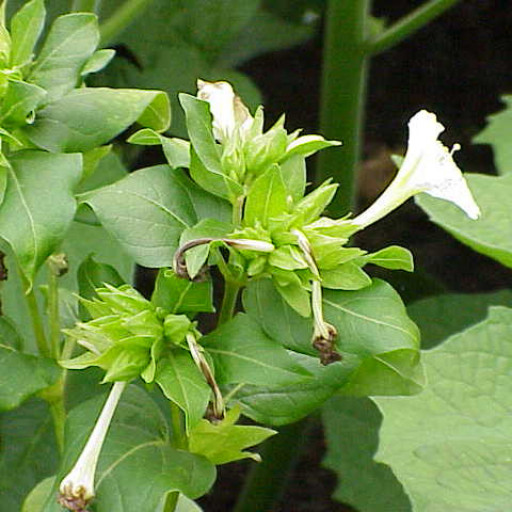
Plant Overview
Known as the "Four O'Clock Flower" or the "Marvel of Peru," this Victorian garden favorite is famous for its internal biological clock. These colorful bloomers act like nature’s evening alarm, opening their trumpet-shaped petals just as the afternoon heat begins to fade. They are particularly beloved for their "magical" ability to produce flowers of different colors—sometimes even striped or bi-colored—on a single individual bush.
🔍 How to Identify
- 🌸 The Blooms: Funnel-shaped flowers that come in vibrant shades of pink, yellow, white, and red. Look closely; a single plant may host multiple colors simultaneously due to its unique genetic makeup.
- 🍃 The Foliage: Rich green, pointed, heart-shaped leaves that grow opposite one another on brittle, succulent-like stems.
- 📏 Growth Habit: A bushy, mound-forming perennial that usually reaches about 2 to 3 feet in height. It has a lush, dense appearance that can quickly fill a garden gap.
🏡 In Your Garden
- 🕒 The Night Shift: Because the flowers open in the late afternoon (typically around 4 PM), they are the perfect choice for "moon gardens" or patios where you spend your evenings. They emit a sweet, jasmine-like fragrance specifically designed to attract nocturnal pollinators like hawk moths.
- 🧱 Tuberous Roots: These plants develop large, carrot-like tuberous roots. This makes them incredibly drought-tolerant once established, but it also means they dislike being moved. Once they "set foot" in a spot, they prefer to stay there for life.
- 🌱 Self-Seeding Habit: They are prolific seed-producers. If you don't want a forest of Four O'Clocks next year, be sure to pick up the large, black, peppercorn-like seeds that drop in the autumn.
⚠️ Safety & Toxicity
- 🚫 Moderate Toxicity: All parts of the plant are considered toxic if ingested, but the seeds and the heavy roots contain the highest concentration of neurotoxins and resins.
- 🐾 Pet & Child Alert: Ingesting the seeds can cause stomach upset, vomiting, or diarrhea in curious pets and children. Additionally, the sap may cause mild skin irritation or "contact dermatitis" in sensitive individuals.
✨ Fun Fact
- 🧬 A Genetic Icon: Mirabilis jalapa was famously used by botanists to prove the phenomenon of "incomplete dominance." When a red flower and a white flower are crossed, the offspring are pink—a rare "blending" of traits that helped scientists understand how DNA works beyond simple dominant and recessive patterns!

Detailed Care Instructions
| Humidity | Normal |
| Lighting | Full Sun |
| Difficulty | Medium |
| Hibernation | Cold Period |
| Temperature | 18°C - 24°C |
| Hardiness Zones | Min 9A |
To grow a Mirabilis Jalapa plant, also known as the Four O'Clock flower, follow these steps:
- Obtain seeds or small plants from a local nursery or online supplier.
- Select a suitable location with full sun exposure. This plant can tolerate partial shade but will bloom best in full sun.
- Prepare the soil by loosening it with a gardening fork or tiller. Remove any weeds or debris from the area.
- Dig a small hole or furrow about 1-2 inches deep. Space multiple plants about 12-18 inches apart.
- Place the seeds in the hole or plant the small seedlings, ensuring they are covered with soil.
- Water the newly planted seeds or seedlings thoroughly. Mirabilis Jalapa plants prefer moist soil but will tolerate some drought conditions.
- Water regularly, keeping the soil evenly moist but not waterlogged. If rainfall is not sufficient, water deeply once a week.
- Apply a slow-release fertilizer or a balanced organic fertilizer according to package instructions. Follow the recommended dosage and timing for best results.
- Mulch around the base of the plants to help conserve moisture and suppress weed growth.
- Prune or deadhead the plant as needed to encourage continuous blooming and remove faded flowers.
- Mirabilis Jalapa is a perennial in tropical regions but often grown as an annual in colder climates. In frost-prone areas, you can bring potted plants indoors during winter or collect the seeds for next year's planting.
- Observe the plant for any signs of pests or diseases. Treat accordingly using organic or chemical methods if necessary.
- Enjoy the vibrant and fragrant blooms of your Mirabilis Jalapa plant, which typically starts flowering in mid-summer and continues until frost.

Place in a bright room that is sun drenched almost all day. Or directly in a south-facing window.

Mirabilis Jalapa is a flowering plant that requires regular watering to flourish. To water this plant, make sure to thoroughly soak the soil until water seeps out of the drainage holes in the container or the ground. However, do not overwater the plant as this can cause root rot. Monitor the soil regularly and water only when the top inch of soil feels dry to the touch. Furthermore, if the plant is potted, ensure that the pot has proper drainage to avoid waterlogging. When watering, avoid splashing water on the leaves, as this can lead to disease. In addition, Ensure that the water used for watering is of good quality, with no chemicals or added salts that may harm the plant.
- Prepare the soil by adding generous amounts of organic or composted materials.
- Apply a balanced fertilizer with equal amounts of nitrogen, phosphorus and potassium.
- Use a slow-release fertilizer to feed the plant over a longer period of time.
- Mix the fertilizer thoroughly in the soil around the base of the plant.
- Water the plant thoroughly after fertilizing to help distribute the nutrients.
- Repeat the fertilization process every 4-6 weeks during the growing season.
The ideal soil for the plant species with the scientific name Mirabilis Jalapa is a well-draining soil mix that provides good aeration to the roots. The soil should have a neutral to slightly acidic pH level, ranging from 6.0 to 7.0. The soil should also be rich in organic matter and nutrients, such as nitrogen, potassium, and phosphorus. Compost or aged manure can be added to the soil mix to provide these nutrients. It is also important to ensure that the soil is moist but not waterlogged, as excessive water can lead to root rot and other diseases. Avoid using heavy, clay soils, as they can hold too much water and cause root suffocation.
Mirabilis Jalapa plants can be propagated through stem cuttings. Start by selecting a healthy stem with several leaves and no flowers. Cut the stem into 4-6 inch segments and remove the lower leaves. Dip the cut end of the stem in rooting hormone powder and plant it in moist potting soil. Water the cutting regularly and keep it in a warm, bright location with indirect sunlight. After a few weeks, the cutting should develop roots and new growth. Once the plant is established, it can be potted into a larger container or planted directly in the garden.
Common pests of the four-o'clock include Spider mites, aphids, whiteflies. Make a habit of checking your four-o'clock frequently for pests so that any infestations can be caught and managed early.








