Plant Overview
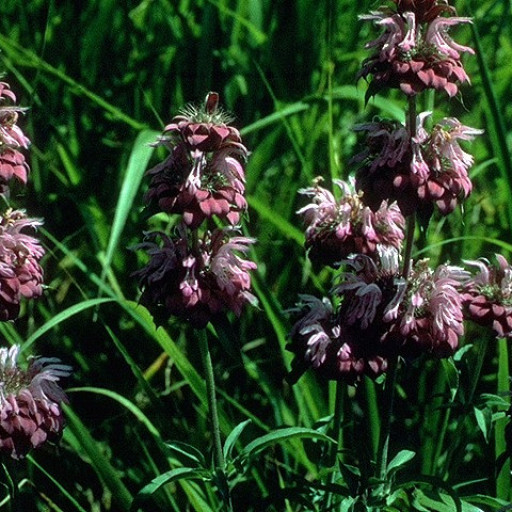
Often called "Lemon Mint" or "Purple Horsemint," Monarda citriodora is a striking wildflower that looks like it was designed by a Dr. Seuss illustrator. Known for its distinct "pagoda-style" stacked flowers, this North American native is a powerhouse of fragrance and flavor. Whether you find it swaying in a prairie or tucked into a pollinator garden, its citrusy scent is impossible to miss.
🔍 How to Identify
- 🍋 The Fragrance: The most defining trait is the scent; rubbing the leaves releases a sharp, pleasant aroma of lemons and oregano.
- 🗼 Tiered Blooms: It features unique, stacked flower clusters (whorls) that grow in several levels along a single square stem, resembling a miniature purple tower.
- 💜 Showy Bracts: The actual flowers are small and white-to-pink with purple spots, but they sit atop large, leaf-like purple bracts that provide most of the plant's color.
🏡 In Your Garden
- 🦋 The Pollinator Party: This plant is a VIP (Very Important Plant) for bees, butterflies, and hummingbirds. Its tubular flowers are perfectly shaped for long-tongued insects.
- 🏜️ Drought Defiance: Unlike its cousin, the common Bee Balm, Monarda citriodora is much more tolerant of dry, sandy soils and can thrive in heat that would make other perennials wilt.
- 🌿 Self-Sowing Nature: While it is often grown as an annual or short-lived perennial, it is an excellent "re-seeder," meaning it will drop seeds to ensure a new generation appears the following spring.
⚠️ Safety & Toxicity
- ✅ Generally Safe: This plant is considered non-toxic to humans, cats, dogs, and horses.
- 🍵 Culinary Use: The leaves are frequently dried for herbal teas or used fresh in salads. However, like any aromatic herb, the concentrated essential oils can cause mild stomach upset if consumed in massive quantities.
✨ Fun Fact
Native Americans and early settlers used this plant not just for tea, but as a natural insect repellent. The leaves contain high concentrations of citronellol, the same compound found in commercial citronella candles used to keep mosquitoes at bay!

Detailed Care Instructions
| Humidity | Normal |
| Lighting | Full Sun |
| Difficulty | Medium |
| Hibernation | Cold Period |
| Temperature | 10°C - 20°C |
| Hardiness Zones | 2 - 11 |
To grow Monarda citriodora (also known as lemon bee balm or lemon mint), follow these steps:
- Choose the right location: Monarda citriodora prefers full sun to partial shade. Select a location with well-draining soil that is slightly acidic to neutral in pH.
- Prepare the soil: Before planting, amend the soil with organic matter such as compost or aged manure to improve drainage and fertility. Remove any weeds or rocks from the planting area.
- Start from seeds: You can sow Monarda citriodora seeds directly into the soil in spring after the last frost date or start them indoors about 6-8 weeks earlier. To start indoors, sow the seeds in small pots filled with seed starting mix and lightly cover them with soil. Keep the soil moist but not waterlogged and place the pots in a warm area.
- Transplanting: If you started the seeds indoors, wait until the seedlings have developed two sets of true leaves before transplanting them outdoors. When transplanting, space the seedlings about 12-18 inches apart.
- Watering: Monarda citriodora plants prefer consistently moist soil, so water them regularly but avoid overwatering, as it can lead to root rot. Water deeply whenever the top layer of soil feels dry.
- Mulching: Apply a layer of organic mulch around the base of the plants to help retain moisture, suppress weed growth, and regulate soil temperature.
- Fertilizing: Monarda citriodora plants typically don't require much fertilization. However, you can apply a balanced fertilizer once or twice during the growing season if the plants appear pale or weak.
- Prune and deadhead: To encourage bushier growth and continuous blooming, pinch back the growing tips when the plants are about 6-8 inches tall. Deadhead the faded flowers to promote more blooms.
- Pest and disease control: Monarda citriodora plants are generally resistant to pests and diseases. However, occasional issues such as powdery mildew may occur. If necessary, treat affected plants with appropriate organic fungicides or trim infected foliage.
- Propagation: Monarda citriodora can be propagated by division, which is best done in spring or fall. Dig up the plant, carefully separate the clumps, and replant them in prepared soil.
By following these steps, you can successfully grow Monarda citriodora and enjoy its fragrant foliage and attractive flowers in your garden.

Place in a bright room that is sun drenched almost all day. Or directly in a south-facing window.

Monarda Citriodora is a plant that requires regular watering to thrive. The best way to water this plant is to thoroughly water the soil around it, being careful not to wet the leaves. To determine when the plant needs watering, check the soil moisture level by inserting your finger a few inches into the soil. If it feels dry, it is time to water the plant.
When watering Monarda Citriodora, ensure that the soil is moist but not waterlogged. Avoid overwatering the plant as this can lead to root rot and other diseases that may damage or kill the plant. It is best to water the plant in the morning or early evening to allow the water to be absorbed into the soil before the heat of the day.
If the plant is potted, ensure that the pot has adequate drainage to prevent water from accumulating in the bottom and causing root rot. Water the soil until the excess water flows out of the drainage holes in the pot.
Overall, Monarda Citriodora requires moderate watering to keep it healthy and vibrant. Paying attention to the soil moisture level and watering it as necessary will help ensure the plant's long-term health and success.
To fertilize this plant, first make sure the soil is moist and not waterlogged. Use a balanced fertilizer with an N-P-K ratio of 10-10-10 or 20-20-20. Apply the fertilizer to the soil around the base of the plant, not on the leaves or stems. Follow the package instructions on how much to use, but generally, a tablespoon of fertilizer per square foot of soil is a good place to start. Water thoroughly after applying fertilizer to help it soak into the soil. Repeat the fertilization process every four to six weeks during the growing season.
The best soil to use for this plant would be a well-draining soil, with a pH level that ranges from slightly acidic to slightly alkaline. It is recommended to use a mixture of organic matter, such as compost or aged manure, in the soil to enhance its fertility and water-holding capacity. The soil should also be rich in nutrients such as nitrogen, phosphorus, and potassium, to support the growth and development of the Monarda Citriodora plant. The soil should be able to retain moisture without being waterlogged, as the plant prefers consistently moist soil. Providing good drainage will help prevent the soil from becoming too wet and causing rot in the plant's roots.
Monarda Citriodora a herbaceous perennial plant that can be propagated through various methods such as dividing root balls, taking stem cuttings, and sowing seeds. One way to propagate this plant is by taking stem cuttings. To do this, select a healthy stem and cut it just below a node, removing any lower leaves. Dip the cut end of the stem in rooting hormone powder and plant it in a pot filled with moist soil. Cover the pot with a plastic bag to create a greenhouse effect that will keep the cutting in a humid environment. Keep the soil moist and place the pot in indirect sunlight. In a few weeks, the cutting will produce roots and will be ready to transplant into a larger pot or into the ground. This method is best done in the spring or early summer.
Common pests of the lemon beebalm include Spider mites, whiteflies. Make a habit of checking your lemon beebalm frequently for pests so that any infestations can be caught and managed early.








