Plant Overview
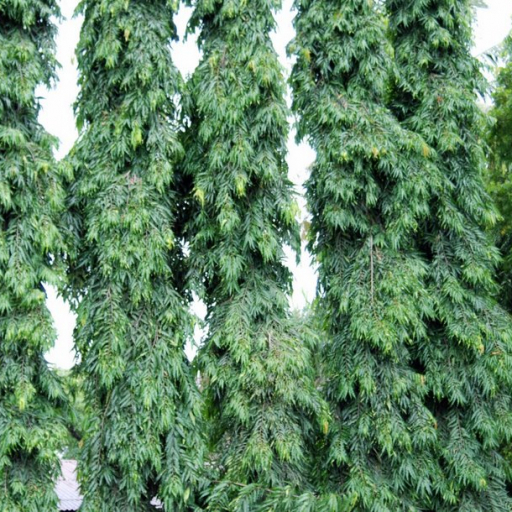
Known as the Mast Tree or False Ashoka, Monoon longifolium is a majestic, lofty evergreen that brings a touch of tropical symmetry to any landscape. Often found lining the grand entrances of temples in India, its name comes from the graceful, weeping branches that once reminded sailors of the tall masts on ancient sailing ships. It is a favorite for those seeking a "green wall" that reaches for the sky without taking up too much ground space.
🔍 How to Identify
- 🍃 Leaf Shape: The leaves are long, narrow, and lance-shaped with distinct, wavy (undulate) margins that shimmer and "dance" even in a light breeze.
- 📐 Growth Habit: It grows in a strict, narrow columnar shape with drooping branches that hang almost vertically, creating a perfectly symmetrical, needle-like silhouette.
- 🌸 Subtle Blooms: In the spring, it produces clusters of delicate, star-shaped lime-green flowers that blend in with the foliage but emit a faint, sweet fragrance at night.
🏡 In Your Garden
- 🛡️ Natural Privacy Screen: Because of its uniquely slender and tall growth, it is the premier choice for creating living fences or noise barriers in narrow urban spaces where horizontal room is limited.
- 🌬️ Wind & Dust Filter: Its dense, weeping foliage acts as an excellent filter for city dust and a sturdy windbreak, as the flexible branches are surprisingly resilient against heavy gusts.
- 💧 Establishment Nuance: While drought-tolerant once mature, it has a sensitive taproot; it dislikes being moved once planted, so choose its "forever home" carefully to avoid transplant shock.
⚠️ Safety & Toxicity
- 🐾 Non-Toxic Status: This tree is generally considered non-toxic to humans and common household pets like cats and dogs.
- 🚫 Not for Consumption: While safe to touch, the berries and leaves are not edible and may cause mild digestive discomfort if accidentally swallowed by curious children or pets.
✨ Fun Fact
Before the advent of steel and modern materials, the incredibly straight, light, and flexible trunks of these trees were specifically harvested by shipbuilders to create the central masts for large sailing vessels!

Detailed Care Instructions
To grow a Monoon Longifolium plant, you can follow these steps:
- Choose the right location: Monoon Longifolium plants thrive in bright indirect light, so choose a spot that receives bright but filtered sunlight. A west or east-facing window is ideal.
- Prepare the soil: The soil should be well-draining and rich in organic matter. You can mix equal parts of potting soil, peat moss, and perlite to create a well-draining mixture.
- Planting: Select a pot that is slightly larger than the current size of the Monoon Longifolium plant. Fill the pot with the prepared soil mixture and make a hole in the center. Carefully remove the plant from its nursery pot and place it in the hole. Fill the remaining space with soil, gently firming it around the root ball.
- Watering: Water the plant thoroughly after planting, ensuring that the soil is evenly moist. Allow the top inch of soil to dry out before watering again. A moisture meter can be helpful to monitor the moisture level accurately.
- Humidity: Monoon Longifolium plants prefer a humid environment. You can increase humidity by placing a tray filled with water near the plant, using a humidifier, or misting the leaves regularly.
- Temperature and humidity: The ideal temperature range for Monoon Longifolium plants is between 60-75°F (15-24°C). Avoid exposing the plant to sudden temperature changes or drafts, as it can impact its growth.
- Fertilization: Feed the Monoon Longifolium plant with a balanced liquid fertilizer diluted to half strength every two to four weeks during the growing season (spring and summer). Reduce or stop fertilizing in fall and winter when growth slows down.
- Pruning: Prune any dead, yellow, or diseased leaves as needed. This will help promote better airflow and prevent the spread of diseases.
- Propagation: Monoon Longifolium plants can be propagated through stem cuttings. Take a healthy stem cutting, removing the lower leaves. Place the cutting in water or a moist growing medium until roots develop, then transfer it to a pot with soil.
- Repotting: As the Monoon Longifolium plant grows, you may need to repot it every one to two years into a slightly larger pot to provide more room for the roots to expand.
Remember to regularly monitor the plant for pests such as spider mites and mealybugs. Treat any infestations promptly using appropriate insecticides or by wiping the leaves with a soapy solution. With proper care and attention, your Monoon Longifolium plant should thrive and grow.
To properly water the Monoon Longifolium plant, it is essential to follow these specific guidelines:
- Soil assessment: Before watering, assess the moisture level in the soil by either lightly inserting your finger or using a moisture meter. This is important to avoid overwatering, which can lead to root rot.
- Watering frequency: Monoon Longifolium plants generally prefer a well-draining soil and thrive when the top inch of the soil feels slightly dry to the touch. Watering should be done when the soil has partially dried out, usually every 7-10 days. However, this can vary depending on factors such as humidity, temperature, and the size of the plant.
- Watering method: Use a watering can or a hose with a gentle spray nozzle to water the plant. This helps prevent soil erosion and keeps the water flow steady, mimicking rain more effectively. Avoid using strong jets or pouring water directly onto the leaves, as this might cause damage.
- Water quantity: Aim to thoroughly moisten the entire root zone, which is the soil area around the plant's root system. Water until you observe the water seeping out from the drainage holes at the bottom of the pot (if potted). This ensures that the roots receive enough water without leaving any excess water in the container.
- Water quality: Monoon Longifolium plants typically prefer lukewarm or room temperature water. Avoid using extremely cold or hot water, as sudden temperature changes can shock the plant and negatively affect its health.
- Seasonal adjustments: During the plant's active growing season, which is typically spring and summer, you may need to water it more frequently. Conversely, during the dormant period of fall and winter, when the plant's growth slows down, you'll likely need to reduce watering frequency and allow the soil to dry out more between waterings.
- Adjusting for environmental factors: Consider factors such as your local climate, humidity levels, and the plant's location. Dry and hot climates may require more frequent waterings, while cool and humid conditions may need less frequent watering. Additionally, plants situated in direct sunlight or near heating or cooling vents may require more moisture due to increased evaporation.
- Observation and adjustment: Regularly monitor the plant's response to watering by examining its foliage and checking the soil moisture levels. Yellowing or withering leaves may indicate either overwatering or underwatering, requiring adjustments to the watering routine.
Remember, each Monoon Longifolium plant may have slightly different watering needs depending on its specific environment and growing conditions, so it is important to adapt these guidelines accordingly.
To properly fertilize the Monoon Longifolium plant, follow these instructions:
- Choose a balanced fertilizer with equal amounts of nitrogen (N), phosphorus (P), and potassium (K). Look for a fertilizer with an NPK ratio of 10-10-10 or 20-20-20.
- Dilute the fertilizer according to the package instructions, typically mixing 1 tablespoon of fertilizer per gallon of water.
- Water the plant thoroughly before applying any fertilizer to ensure the soil is moist.
- Pour the diluted fertilizer solution around the base of the plant, avoiding direct contact with the foliage.
- Apply fertilizer every two to four weeks during the growing season (spring and summer), as per the package instructions. Avoid fertilizing during the winter months when the plant is dormant.
- Monitor the plant for any signs of over-fertilization, such as wilting, yellowing leaves, or leaf burn. If you notice these symptoms, flush the soil with plenty of water to remove excess salts from the fertilizer.
- Regularly water the plant to maintain soil moisture and prevent fertilizer buildup in the soil.
- Adjust the frequency and strength of fertilization based on the plant's response and health, as different Monoon Longifolium plants may have slightly different fertilizer needs.
Remember to always follow the specific instructions on the fertilizer package and observe any guidelines provided by the plant nursery or supplier for optimal fertilization results.
The ideal soil for Monoon Longifolium plants should have specific characteristics. It should be well-draining to prevent waterlogging, as excessive moisture can lead to root rot. The soil should also have good water retention capacity to ensure the plant has access to necessary moisture without becoming waterlogged.
Additionally, the soil should be rich in organic matter, which provides crucial nutrients to support the plant's growth. Organic matter can improve soil structure, promoting healthy root development and enhancing water and nutrient availability to the plant.
The pH level of the soil is important as well. Monoon Longifolium plants thrive in slightly acidic to neutral soil, with a pH range of 6.0 to 7.0. Therefore, it is recommended to select a soil with a pH level within this range to support optimal growth and nutrient absorption.
Moreover, the soil should be well-aerated to allow proper root respiration. Adequate oxygen availability in the soil is essential for the plant's root system to function optimally.
Considering these key characteristics, it is recommended to use a well-draining potting mix that incorporates organic matter, such as compost or peat moss. This type of soil mixture can provide the necessary conditions for healthy Monoon Longifolium plant growth.
To propagate Monoon Longifolium plant, you can follow these steps:
- Select a healthy and mature Monoon Longifolium plant from which you want to take cuttings for propagation.
- Prepare a clean and sharp pair of pruning shears or scissors that are sterilized to prevent the transfer of any diseases.
- Choose a suitable stem for taking cuttings. Look for a stem that is firm, has no signs of disease or damage, and preferably has several pairs of leaves.
- Position the pruning shears or scissors just below a leaf node, which is where a leaf meets the stem. Make a clean and precise angled cut to ensure the greatest chances of success.
- Remove any lower leaves on the cutting, leaving only a few pairs of leaves towards the top intact. This reduces the loss of moisture through transpiration while the cutting establishes roots.
- If desired, you can treat the cutting with a rooting hormone powder or gel to encourage the development of roots. Dip the base of the cutting into the rooting hormone and gently tap off any excess.
- Prepare a pot with a well-draining and sterile potting mix. Moisten the potting mix slightly to create a suitable environment for root development.
- Make a hole in the potting mix with a pencil or your finger and carefully insert the cutting into the hole. Firmly press the potting mix around the base of the cutting to ensure good soil-to-stem contact.
- Place the potted cutting in a warm and bright location, but avoid direct sunlight as it may cause excessive heat or sunburn on the leaves. Maintain a consistent level of moisture in the potting mix, ensuring it remains moist but not overly wet.
- After a few weeks, you should start to see signs of new growth, indicating successful root development. At this point, you can gradually acclimate the propagated plant to slightly brighter light conditions.
- Monitor the moisture level in the potting mix and adjust watering as needed. Be careful not to overwater, as excessive moisture can lead to root rot.
- After a few months, once the propagated Monoon Longifolium plant has established a sufficient root system, you can consider transplanting it into a larger container or planting it in the ground, following the recommended growing conditions for this plant species.
Remember that each plant species may have different propagation methods and requirements, so these steps are specific to propagating Monoon Longifolium plant.








