
Plant Overview
Meet the Ojo de Buey (Ox-eye), a vigorous tropical climber that brings the lush mystery of the South American rainforest into the spotlight. Named in honor of the famous botanist José Celestino Mutis, this woody vine is legendary not just for its striking flowers, but for its marble-like seeds that have been used as protective amulets and "lucky beans" for centuries.
🔍 How to Identify
- 🍃 The Foliage: Look for large, vibrant green leaves arranged in groups of three (trifoliate). They are smooth but possess a thick, tropical texture designed to shed heavy rain.
- 🦜 The "Beaked" Flowers: The blooms hang in dramatic, pendant clusters. Each flower has a distinct curved shape, resembling a bird’s beak or a heavy keel, usually appearing in shades of creamy yellow or pale green.
- 👁️ The Signature Seed: The most famous feature is the seed. It is round, hard, and dark brown with a thick black band (the hilum) running almost all the way around it, giving it the appearance of a staring eye.
🏡 In Your Garden
- 🧗 The Need for Speed: This is a "liana" or woody vine. In its natural habitat, it scales giant trees. If you grow it, provide a heavy-duty trellis or a sturdy fence; it will quickly overwhelm flimsy supports.
- 💧 Tropical Requirements: It thrives on "jungle logic"—high humidity, dappled sunlight, and rich, organic soil. It hates "cold feet," so ensure the soil stays warm and never drops to freezing temperatures.
⚠️ Safety & Toxicity
- 🚫 Toxic if Ingested: Warning. The seeds contain high concentrations of L-Dopa and other compounds that can cause severe digestive distress or neurological symptoms if eaten raw.
- 🐾 Pet & Child Safety: Keep the decorative seeds away from children and pets. Their marble-like appearance makes them a choking hazard, and their chemical makeup is unsafe for curious chewers.
- 🧤 Skin Irritation: While Mucuna mutisiana is smoother than its cousin, the "Velvet Bean," the seed pods can sometimes have fine, irritating hairs. Handle mature pods with gloves to avoid "the itch."
✨ Fun Fact
The seeds of the Mucuna are known as "sea beans." They are so incredibly buoyant and hardy that they can fall into a river in the Amazon, drift into the ocean, and float across the Atlantic to wash up on the shores of Europe—and they are often still viable enough to grow!

Detailed Care Instructions

Place in a bright room that is sun drenched almost all day. Or directly in a south-facing window.
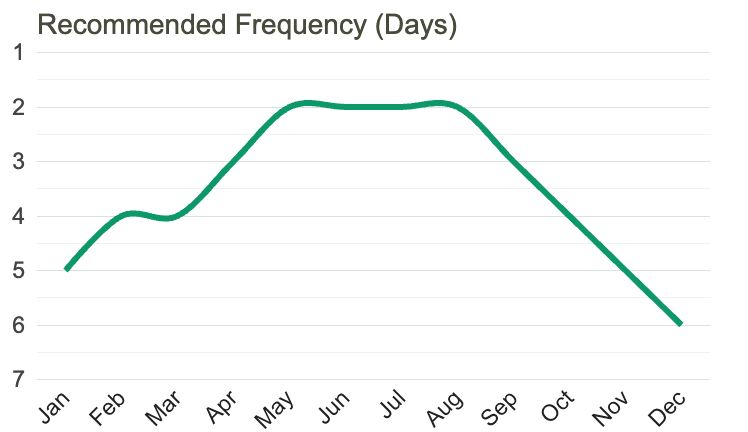
Water-loving plants flourish in wet or sloppy soil and near ponds. The extensive root system enables these plants to absorb plenty of water. The surface of the soil should be kept moist at all times. Place your pot in a container filled with water to guarantee that plants get enough water. If the ground becomes dry, it is recommended that you water it well. Plants in smaller pots will need to be watered more frequently. Water the soil in which the plant is standing thoroughly using a watering can.








